
Full Breakdown
John Healey’s First Budget: Small-Scale “Breathing Space” Amid Global Economic Storms
By Drooid · · How we work
In this breakdown
01
Core Event – October 28 2026 Budget Announcement
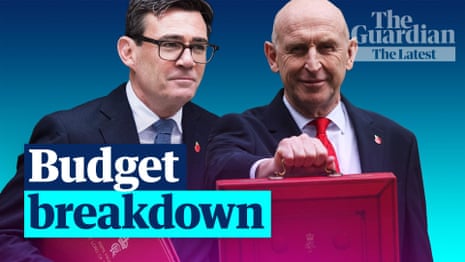
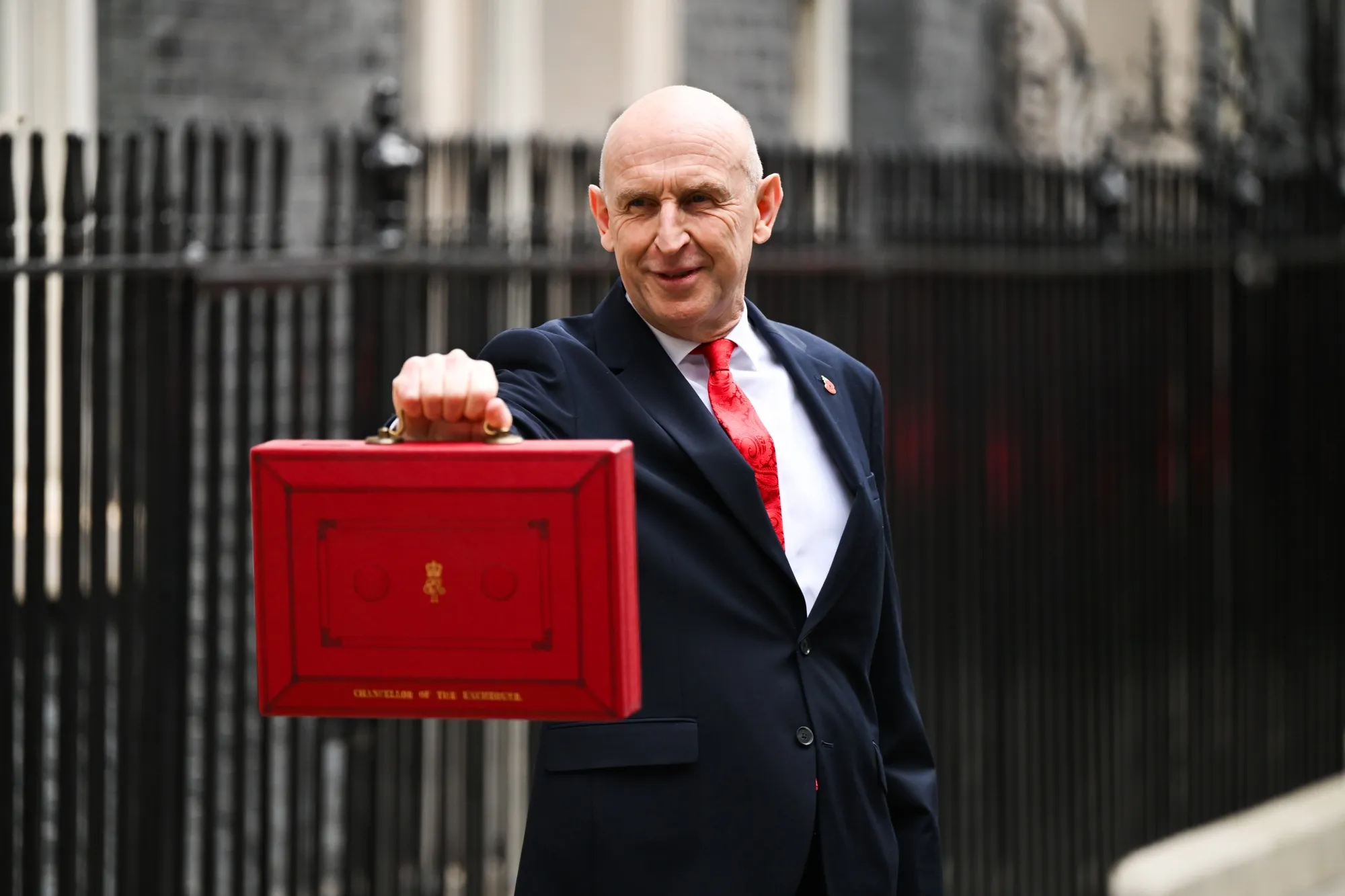
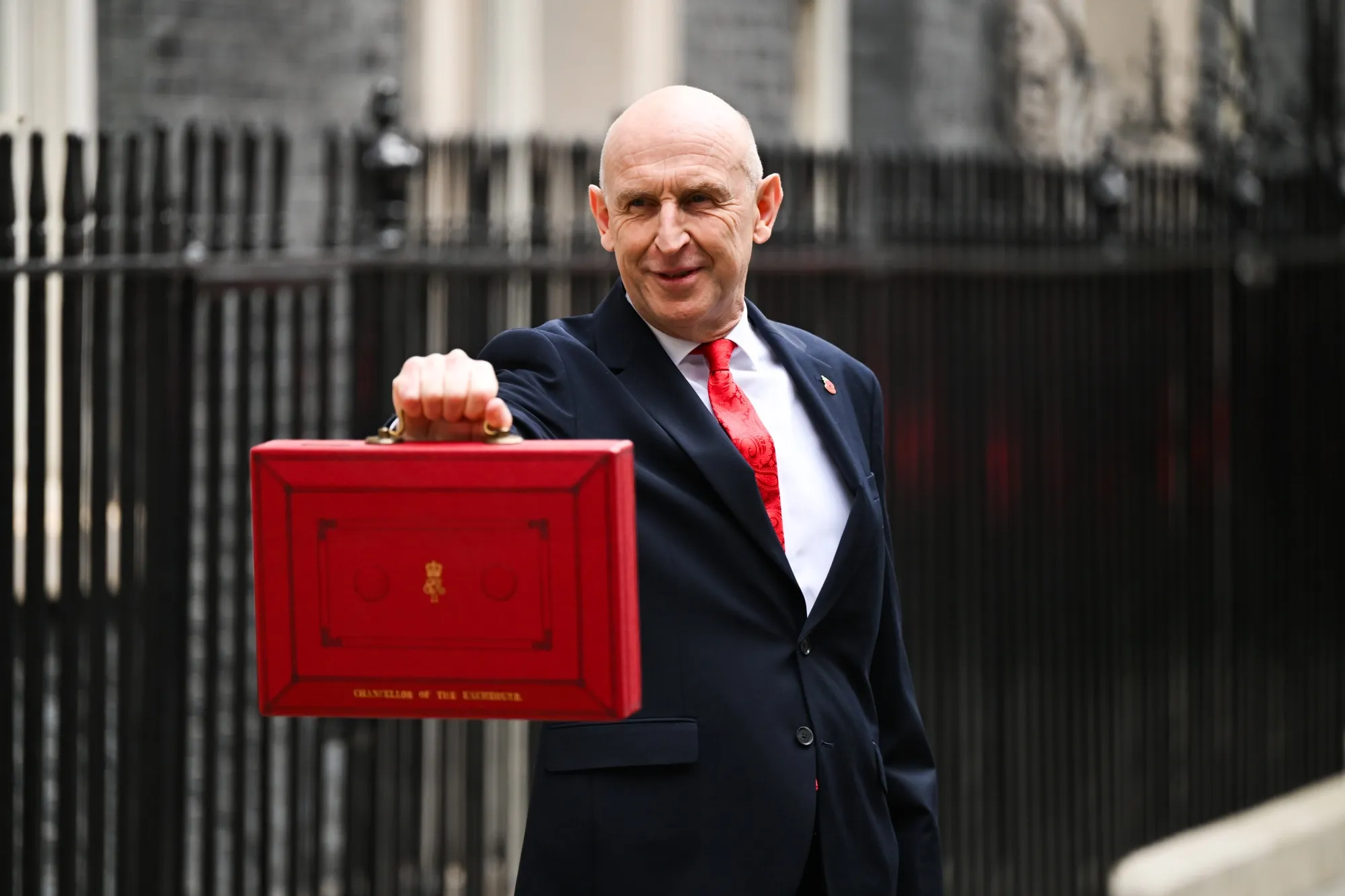
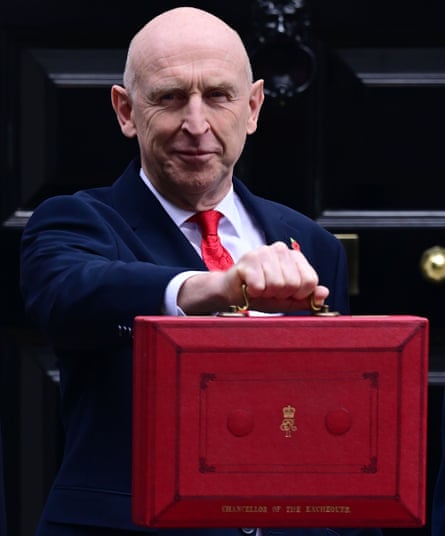
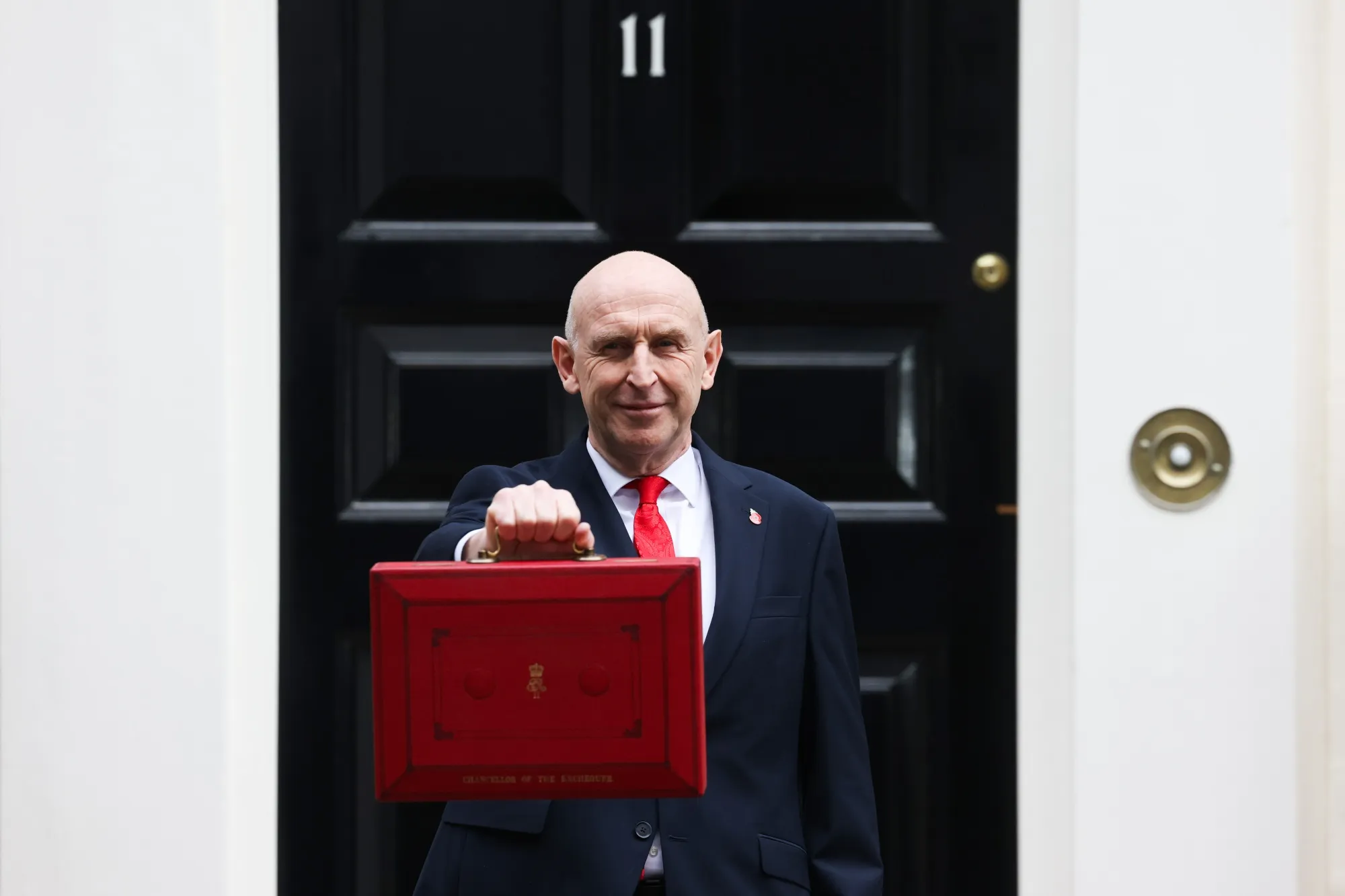
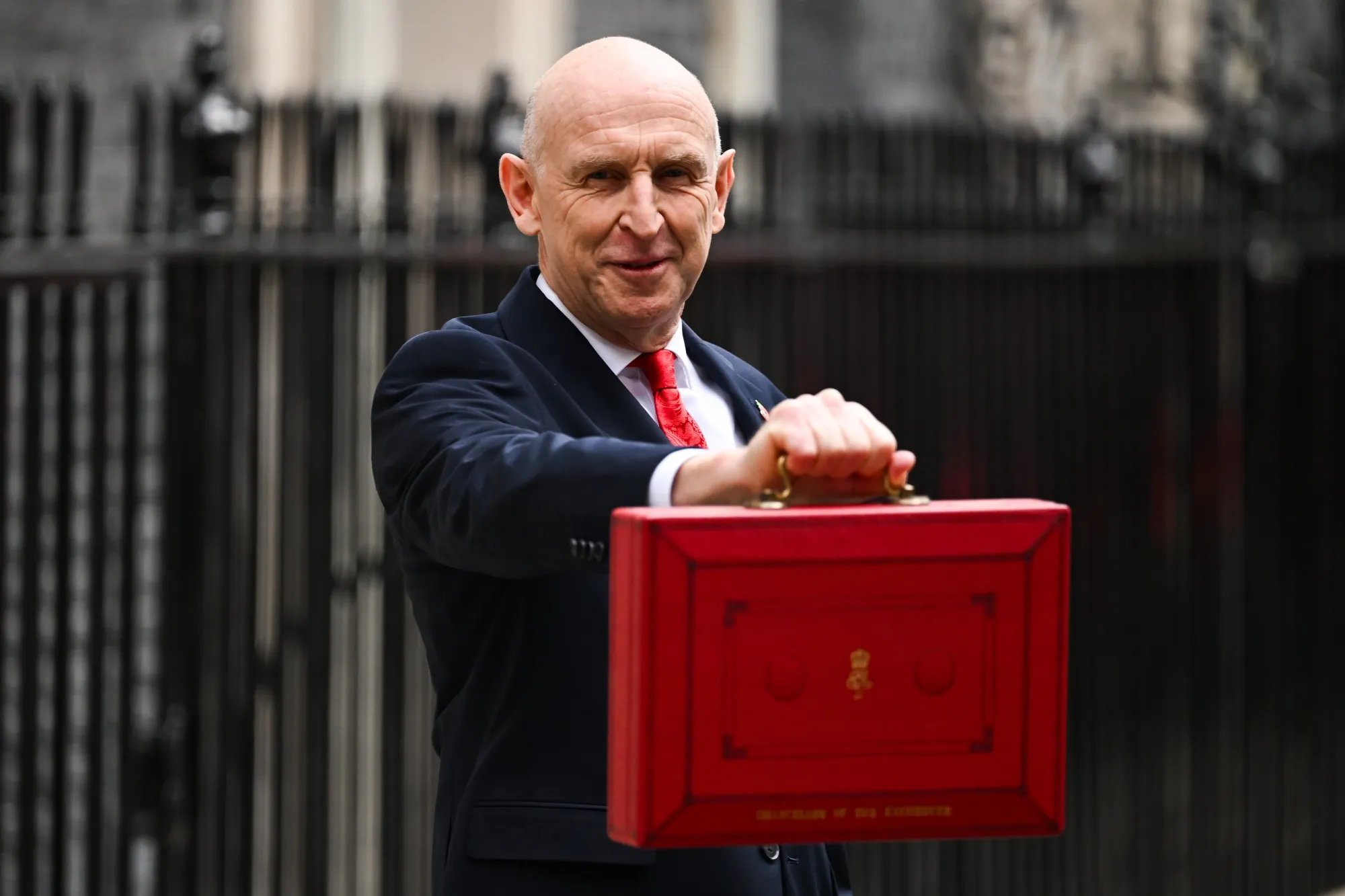
On October 28 2026 Chancellor John Healey delivered his first budget for Prime Minister Andy Burnham’s Labour government. The statement combined modest tax and spending measures aimed at giving households “breathing space” while preserving the fiscal headroom required by Labour’s rules. Key elements included a one-off £100 payment to 20 million households in council-tax bands A-D, a temporary increase to the bank surcharge, a freeze of fuel-duty, and a pledge to fund the Defence Investment Plan. The budget also announced a devolution package that will let English regional mayors retain a share of business-rate and income-tax revenues.
Watch
Related reporting
brightcove
Five key takeaways from the UK Autumn Budget
brightcove
Burnham’s government unveils its first UK budget: What to expect
02
Timeline
- October 27 2026 (scheduled) – Government preview of the budget.
- October 28 2026 (occurred) – Healey’s budget speech in the House of Commons.
- July 1 2026 (occurred) – Extension of the temporary VAT cut on electricity.
- March 31 2028 (scheduled) – End of the 15-month bank-surcharge increase.
Visual evidence
Images from the story
03
Data & Statistics
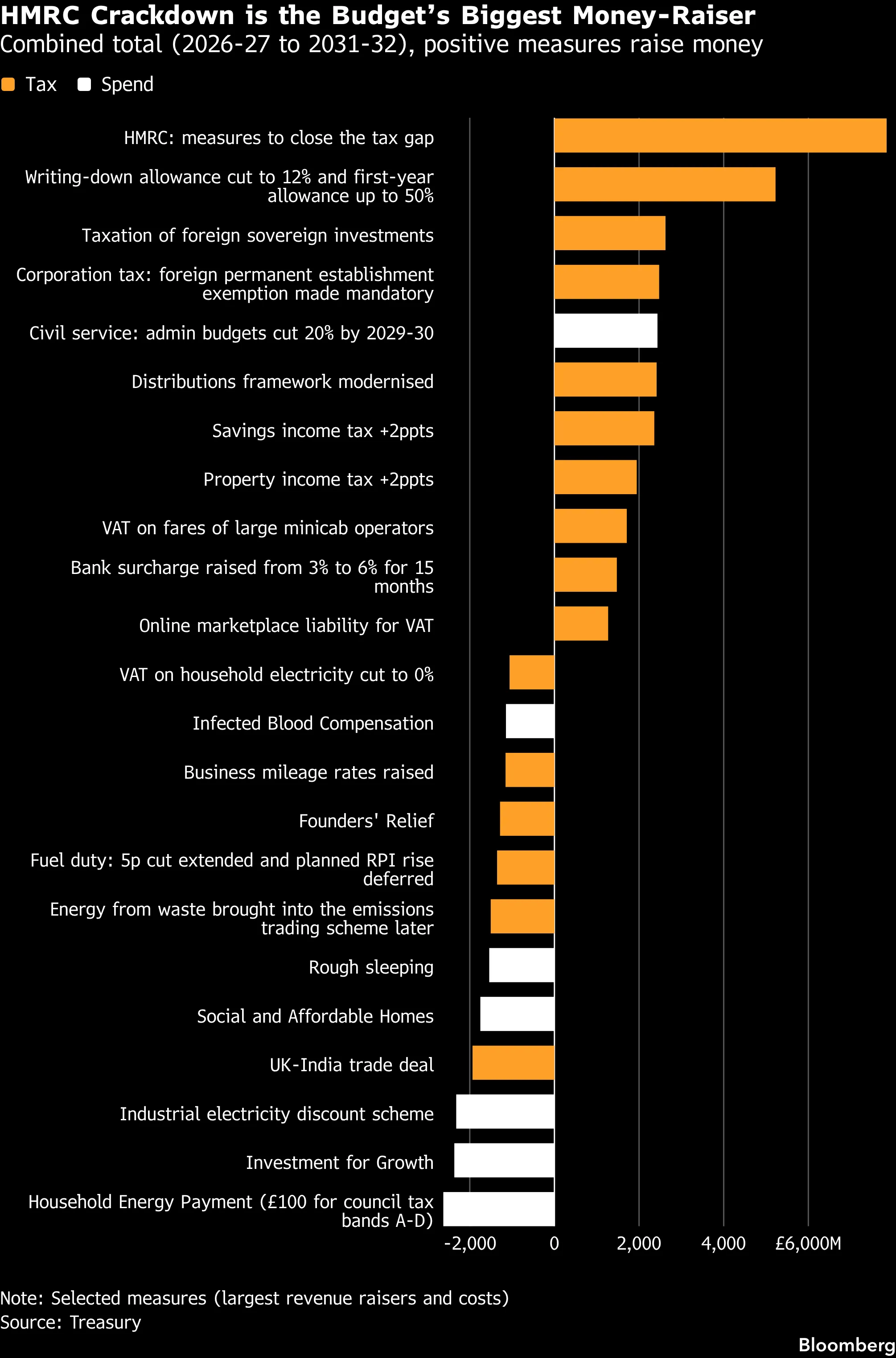
- £100 payment to 20 million households – cost £2.6 bn.
- Bank surcharge raised from 3 % to 6 % of profits above the 25 % corporation-tax rate, lasting 15 months and expected to raise £1.5 bn.
- Fuel-duty freeze extended to July 1 2026, costing £1.4 bn over two years.
- Fiscal headroom projected at £15 bn for 2029-30, rising to £22 bn by 2030-31.
- National Minimum Wage and National Living Wage increased by 3.9 %.
- Defence Investment Plan gap of £4.7 bn to be covered by reallocating capital spending.
- Devolution: regional mayors to keep 20 % of business-rate revenue from next year and a share of income-tax from 2028.
04
Official Statements & Responses
Healey framed the budget as a response to “global economic storms” and emphasized fiscal discipline, saying the government would use part of the existing headroom to absorb the impact of the Iran war, protect family budgets, and rebuild the buffer when possible. The Office for Budget Responsibility (OBR) noted that the UK’s outlook remains uncertain, upgrading its growth forecast for the current year to 1.2 % but downgrading the next year to 1 % because of external shocks.
05
Criticism & Opposition
- Conservative shadow chancellor Andrew Griffith argued the budget leaves public finances “on a cliff edge.”
- Liberal Democrat deputy leader Daisy Cooper warned it would not curb the cost-of-living squeeze.
- Business groups such as the Confederation of British Industry and the British Retail Consortium said the budget “lacks bold moves” for firms facing rising energy costs.
06
Why It Matters / Impact
The modest scale reflects limited fiscal manoeuvre after the £24 bn headroom built by predecessor Rachel Reeves was halved by higher debt-interest payments. By targeting banks, gambling firms, and high-stakes vape shops for additional levies, the chancellor seeks short-term relief without breaching Labour’s rule that day-to-day spending be matched by tax receipts. The devolution package aims to rebalance the centralised UK fiscal system, giving local leaders new revenue streams for infrastructure and housing. Defence funding remains deferred to a spending review, leaving the 3 % of GDP NATO target for 2030 unsettled.
07
Conflicting Reports & Gaps
The OBR’s forecasts differ within the same releases: an upgrade to 1.2 % growth for the current year contrasts with a downgrade to 1 % for the next year, reflecting divergent assumptions about the durability of the Iran-related shock. The Resolution Foundation estimates fiscal headroom at £12 bn, while the Treasury cites £15 bn, indicating a gap between independent analysts and official figures.