
Full Breakdown
DOJ Deploys Record-Size Federal Election Monitoring Team for 2026 Midterms
By Drooid · · How we work
In this breakdown
01
Core Event: Nationwide Rollout of DOJ Election Monitors
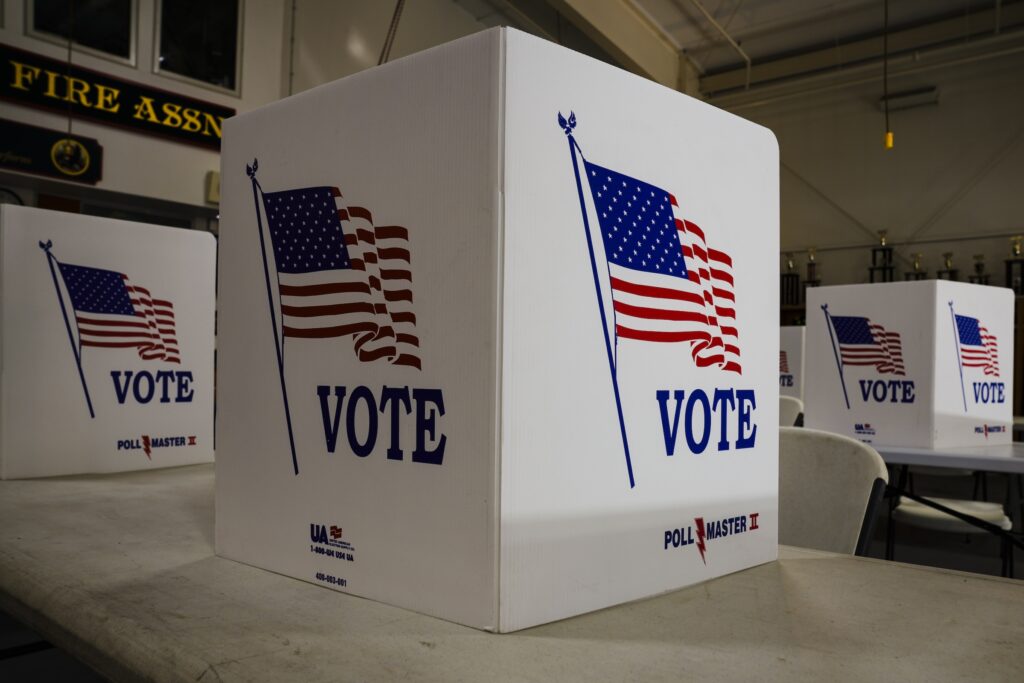
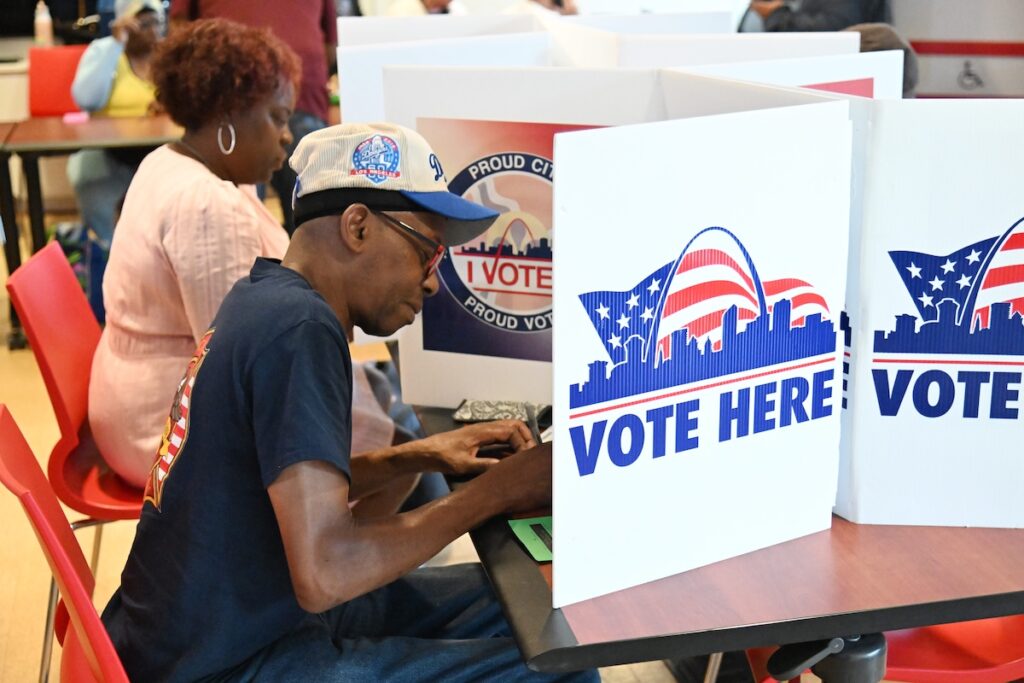
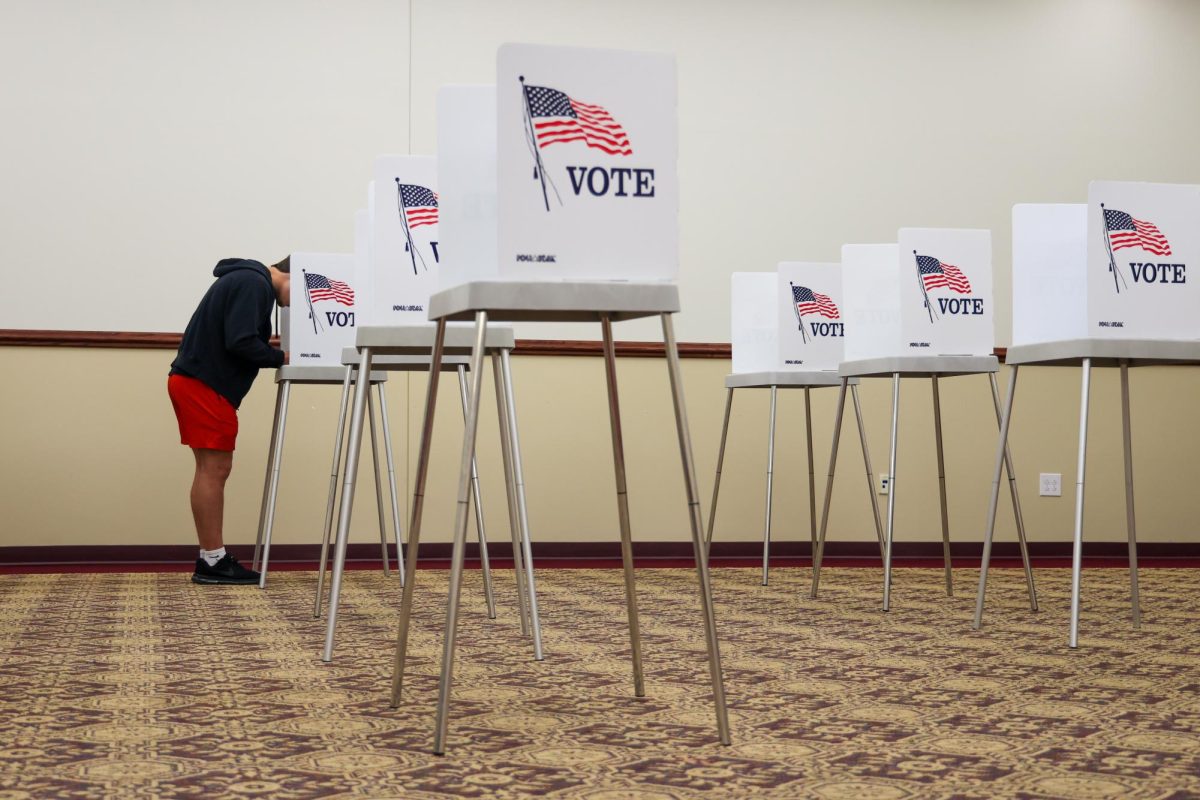
The U.S. Department of Justice’s Civil Rights Division will station roughly 1,000 federal election monitors in polling places across all 50 states for the November 3, 2026 midterm elections. Letters sent on October 22 list deployments in Pennsylvania (Philadelphia, Allegheny, Luzerne and Lehigh counties), Maryland’s Prince George’s County, Maine’s Portland and Lewiston, and sites in Kentucky, Oklahoma, Georgia and elsewhere. Monitors will observe compliance with the Voting Rights Act, the National Voter Registration Act and the Americans with Disabilities Act, but they may not carry firearms, wear DOJ insignia, or interact with voters inside booths.
Watch
Related reporting
cbsnews
Video: CBS News Baltimore
cbsnews
Video: CBS News Philadelphia
ddhq
What to know about Flydubai cockpit clash as pilot is arrested
02
Background & Context
Federal election monitoring has been a routine, non-partisan practice for decades, typically involving a few hundred staff. Under the Biden administration, fewer than 400 monitors were deployed in the 2022 midterms and 714 in 2024. The Trump administration’s plan represents the largest effort in DOJ history, a response to concerns about potential federal interference in state-run elections.
Visual evidence
Images from the story


03
Data & Statistics
- Monitors planned: ? 1,000 nationwide.
- Polling places nationwide: ? 95,000 (Brennan Center for Justice).
- Prior deployments: 289 monitors in 2022, 714 in 2024.
04
Official Statements & Responses
- Maryland State Administrator of Elections Jared DeMarinis said, “Every voter has the right to have their vote counted and their voice heard in a safe environment free from intimidation, harassment or threats.”
05
Criticism & Opposition
- Wyoming Governor Mark Gordon called the behavior of two monitors during his state’s primary “a bit aggressive” and “irregular,” questioning the necessity of the federal presence.
06
On-the-Ground Reports
Lehigh County election chief Mike Paston said monitors will stay outside polling sites, keep a ten-foot distance from entrances, and may interview voters only after they leave the booth, with participation voluntary. He described the presence as “very passive and nonintrusive.” Wyoming officials noted a Laramie County clerk denied monitors permission to interview voters inside the building, a dispute the DOJ says was resolved per federal training.
07
Conflicting Reports & Gaps
The DOJ has not disclosed the exact number of monitors assigned to each county or the full list of jurisdictions, citing security considerations. State officials have requested the information for logistics, but the department says the list will be released only on Election Day. This lack of transparency has prompted lawsuits from groups such as the NAACP seeking records on the program.
08
Verbatim Quotes
- “Every voter has the right to have their vote counted and their voice heard in a safe environment free from intimidation, harassment or threats,” — Jared DeMarinis
- “We are not expecting that to happen,” — Vic Walczak, ACLU-Pennsylvania legal director
- “From all they’ve said, they’ll be very passive and nonintrusive,” — Mike Paston
09
What’s Next
- October 27, 2026: CBS Philadelphia will update the public on the DOJ’s Pennsylvania deployment.
- November 3, 2026: Election Day; DOJ monitors will be on site, and the department will release the full list of monitored locations after polls close. State election boards will continue to brief poll workers on responding to perceived violations and will enforce statutes that prohibit law-enforcement and military personnel from approaching within 100 feet of polling places unless expressly authorized.
The unprecedented scale of the DOJ’s monitoring effort underscores a contentious political environment while reaffirming a long-standing federal role in safeguarding voting-rights compliance.