
Full Breakdown
CDC’s 2026 Antimicrobial-Resistance Threat Report Highlights Surge in Superbug Infections
By Drooid · · How we work
In this breakdown
01
Core Findings of the 2026 Antimicrobial Resistance (AR) Threat Report
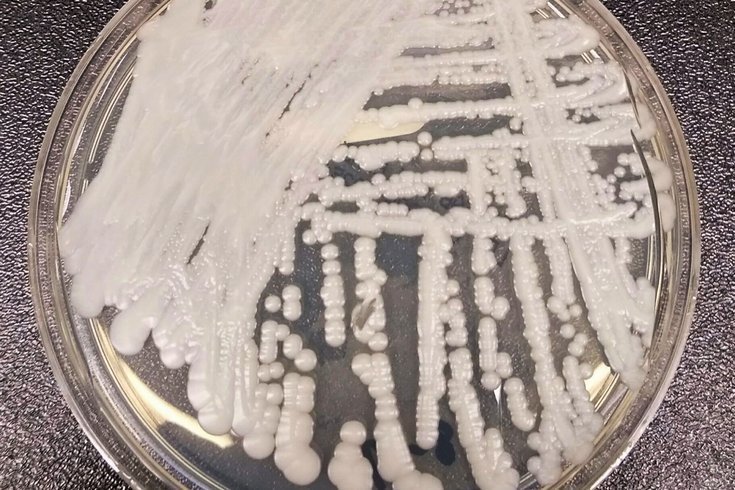
The CDC’s 2026 AR Threat Report lists 19 drug-resistant pathogens responsible for roughly 9.7 million infections and 50,800 deaths in the United States each year, including over 42,000 health-care-associated deaths and about $12 billion in annual health-care costs. Four germs are classified as urgent threats—Candida auris, carbapenem-resistant Acinetobacter, carbapenem-resistant Enterobacterales (CRE), and drug-resistant *Neisseria gonorrhoeae*—13 as serious threats, two as concerning threats, and six on a watch list.
02
Background & Context
The 2019 assessment identified 18 pathogens, estimating 2.8 million infections and 35,000 deaths annually. Updated data-collection methods and the inclusion of fungal pathogens account for part of the rise, but experts note genuine increases, especially a ten-fold jump in Candida auris cases since 2019.
Visual evidence
Images from the story

03
Data & Statistics
- Infections: ? 9.7 million (some outlets cite 9.8 million).
- Deaths: ? 50,800, > 42,000 linked to hospital-acquired infections.
- Economic impact: ? $12 billion in health-care expenditures (2023).
- Urgent threats:
- *Candida auris* – > 4,500 infections in 2023; > 10-fold increase since 2019.
- *Carbapenem-resistant Acinetobacter* – severe carbapenem-resistant infections.
- *Carbapenem-resistant Enterobacterales (CRE)* – NDM-CRE surged > 460 % from 2019-2023.
- *Drug-resistant Neisseria gonorrhoeae* – ? 787,000 resistant cases in 2023.
- Serious threats: include newly added drug-resistant *Neisseria meningitidis* and a downgraded *Clostridioides difficile* after a 21 % rate drop (2018-2020).
04
Official Statements & Responses
CDC Director Dr. Wendy Armstrong warned that antibiotic overuse fuels resistance and urged Congress to reshape federal payment structures for antimicrobial development. Infectious-disease specialist Dr. Emily Landon emphasized that patients with complex hospital infections or those in congregate-care settings face the greatest risk and highlighted basic hygiene and protective equipment as key preventive measures.
05
Criticism & Opposition
IDSA leaders argue that current market incentives are insufficient to sustain antibiotic research.
06
Conflicting Reports & Gaps
- Infection count: most sources cite 9.7 million annual infections; one outlet reports 9.8 million.
- Methodology: changes in data-collection limit direct year-over-year comparisons, creating uncertainty about the exact magnitude of the increase.
- Geographic detail: the report aggregates national data but offers limited regional or demographic breakdowns, leaving gaps in understanding which populations are most affected.
07
Verbatim Quotes
- “These numbers are alarming by any measure but are particularly sobering when infectious diseases physicians connect real patients with these statistics in their everyday experience,” — Dr. Wendy Armstrong, IDSA.
- “This data shows both the progress we've made and the significant work that remains. High-quality data help drive action, and CDC is committed to providing easily accessible information to help protect people from drug-resistant infections,” — Dr. Erica Schwartz, CDC director.
08
Why It Matters
The surge in resistant infections threatens routine procedures that rely on effective antibiotics, such as chemotherapy, organ transplantation, and joint replacement. When first-line drugs fail, patients face longer stays, higher costs, and increased mortality. The spread of resistance genes across bacterial species could render entire antibiotic classes ineffective.
09
What’s Next
Legislation introduced in February seeks to revise federal payment structures to stimulate antimicrobial research, a proposal championed by the IDSA. The CDC will continue monitoring the six watch-list pathogens and update the AR Threat Report annually with refined surveillance methods to track emerging resistance patterns.