
Full Breakdown
John Healey’s 2026 Budget: Small-Scale Measures, Targeted Tax Changes and Their Immediate Impact
By Drooid · · How we work
In this breakdown
01
Core Event
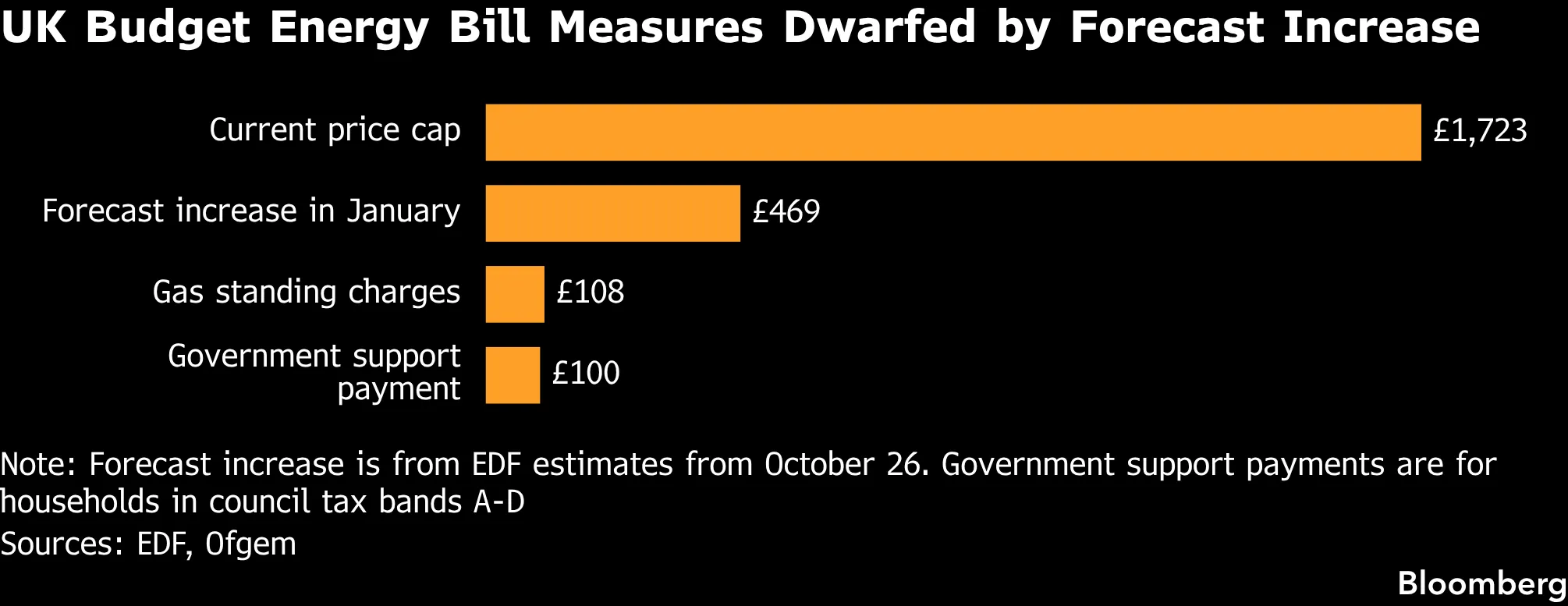
On October 28, 2026, Chancellor John Healey delivered his first Autumn Budget. It introduced a £7 billion revenue-raising package that includes a temporary 6 % bank surcharge for 15 months, a £100 Household Energy Payment for up to 20 million English households, an extension of the VAT cut on electricity to July 1 2027, and a freeze of the fuel-duty cut.
02
Background & Context
The budget arrives amid a global inflation shock from the Middle-East war, which pushed oil above $110 per barrel and raised UK debt-interest costs. Labour’s previous fiscal plan under Rachel Reeves left a £23.6 billion “headroom”; the Resolution Foundation now estimates that headroom has fallen to about £12 billion. Healey pledged to keep Labour’s manifesto promise not to raise tax on working people while still funding defence, Ukraine aid and regional devolution.
Visual evidence
Images from the story

03
Data & Statistics
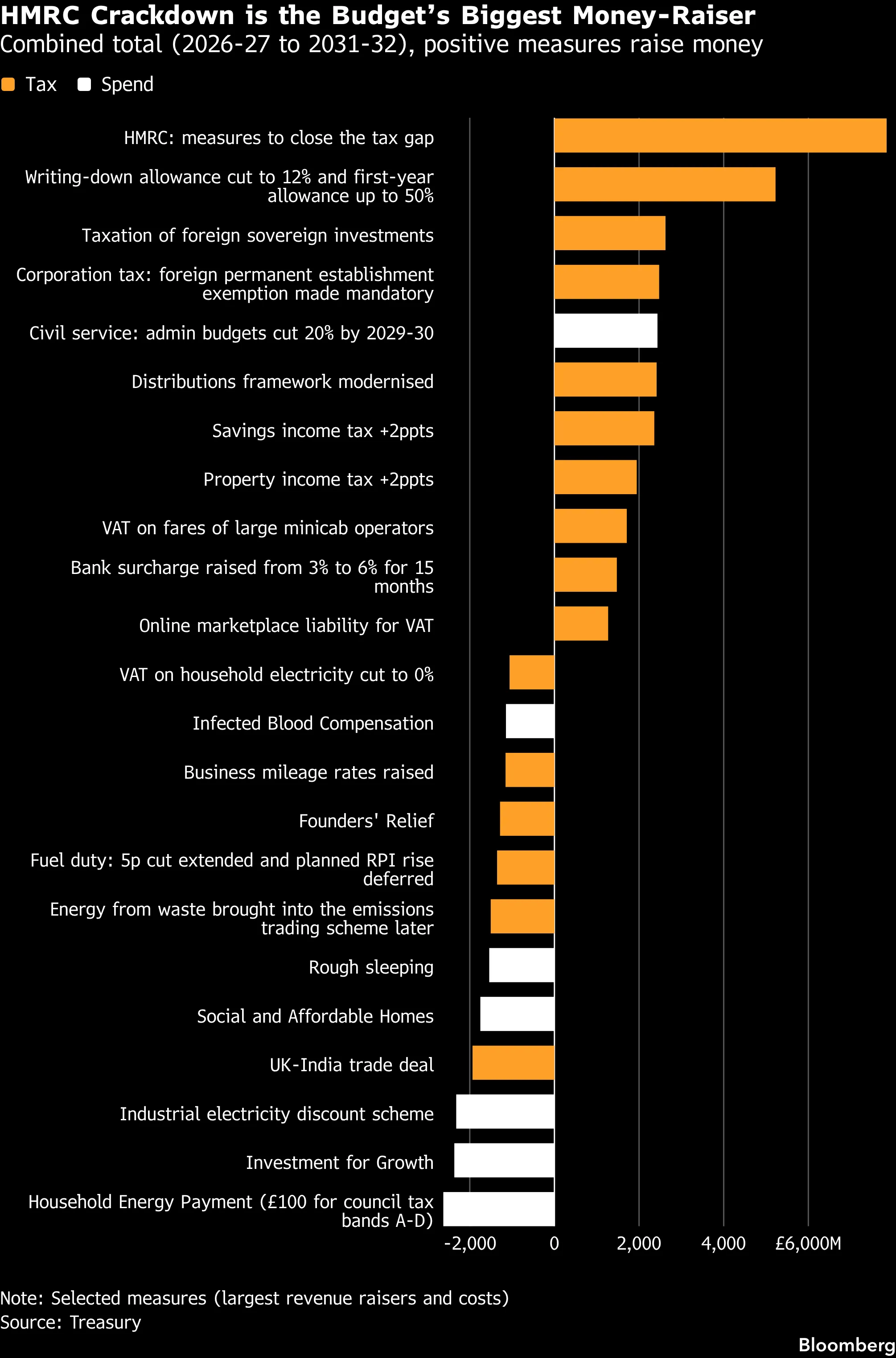
- Bank surcharge: £1.5 billion over 15 months.
- Energy-payment scheme: £2.6 billion for 20 million households.
- VAT cut on electricity: £3.7 billion over two fiscal years.
- Fuel-duty freeze extension: £1.4 billion over two years.
- Business-rate relief: threshold raised to £18 000, removing rates for roughly 70 000 small retail, hospitality and leisure premises.
- Savings-income tax rates rise by 2 percentage points to 24 %, 44 %, 49 % from April 6 2027.
- Property-income tax rates rise by the same margins from April 6 2027.
- BADR lifetime limit cut from £1 million to £500 000 effective April 6 2027.
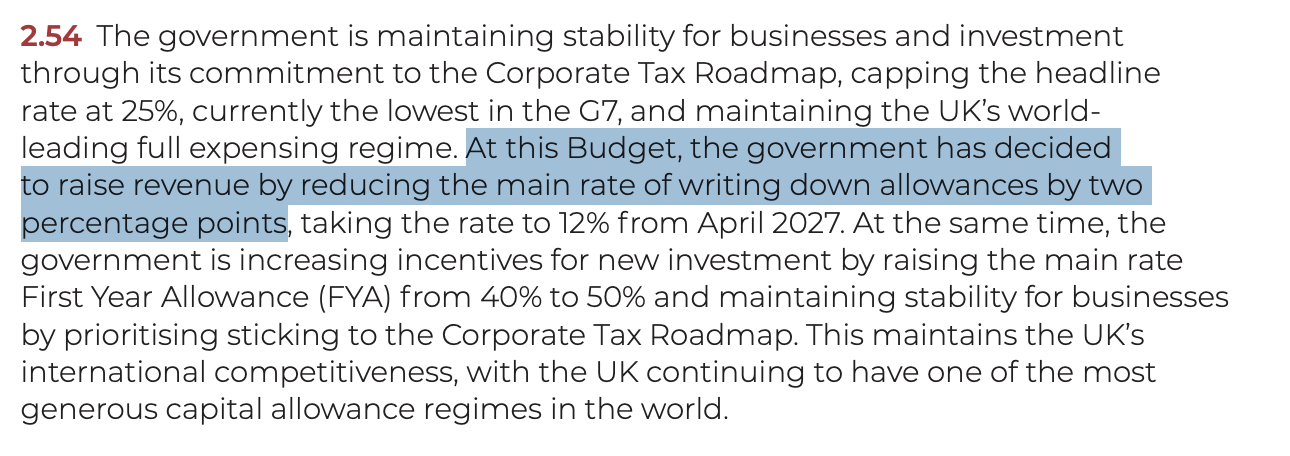
- First-year capital-allowance rate rises to 50 % from January 1 2027; main writing-down allowance falls to 12 % from April 1 2027.
04
Official Statements & Responses
- Healey called the package “breathing space” for Britain, stressing that the £100 payment and removal of gas standing charges would protect millions from “global economic storms”.
- Treasury officials said the bank surcharge and tax-gap measures would generate £3.2 billion in additional revenue.
- Former Treasury minister Rachel Reeves highlighted the new pension-tax allowance that shields low-income pensioners from income tax once the state pension exceeds the personal allowance.
05
Criticism & Opposition
- Business-rate relief was welcomed by small-business groups but criticised by larger firms as insufficient to offset the higher writing-down allowance.
- Eloise Walker of Pinsent Masons warned that the “simplification” consultation could create “greater complexity”.
- Nick Bustin of HaysMac argued the package will leave most workers no better off despite the National Living Wage rise and the £100 council-tax rebate.
06
Conflicting Reports & Gaps
- The Resolution Foundation puts fiscal headroom at £12 billion, while ING economists suggest £15 billion is needed for market confidence.
- The Institute for Fiscal Studies projects that higher savings-income tax rates could raise rents, but the magnitude remains uncertain.
07
What’s Next
- The bank surcharge expires on March 31 2028.
- The first-year capital-allowance increase takes effect on January 1 2027; the reduced writing-down allowance begins April 1 2027.
- The pension-tax allowance will be reviewed annually, with the next adjustment due by April 5 2030.
- Consultation on the new “founders’ relief” and the revised BADR runs until 30 November 2026.