
Full Breakdown
John Healey’s Autumn Budget: Energy-Bill Reforms and Reactions
By Drooid · · How we work
In this breakdown
01
Core Event
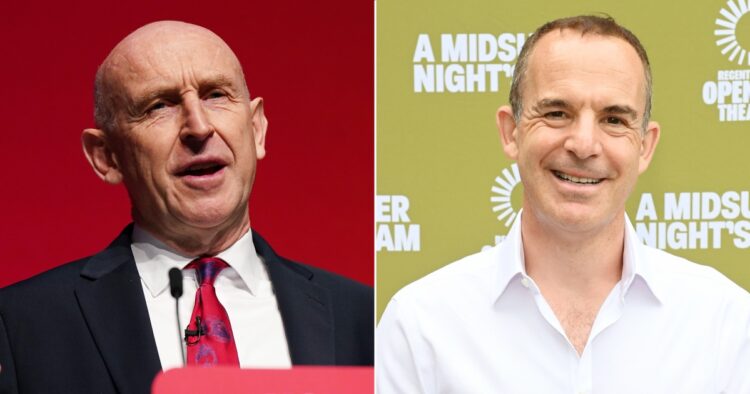
- On October 28, 2026 Chancellor John Healey delivered his first Autumn Budget. The package included a £100 one-off payment for households in council-tax bands A-D, an extension of the VAT exemption on domestic electricity, and a plan to abolish gas standing charges for roughly 23 million homes.
Watch
Related reporting
brightcove
Five key takeaways from the UK Autumn Budget
02
Background & Context
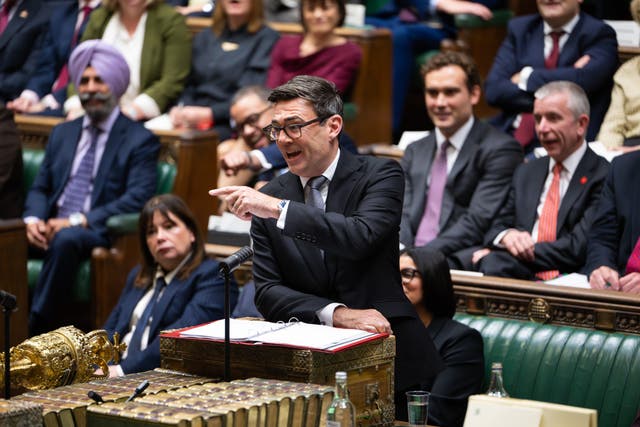
- The measures respond to rising living costs driven by global energy-market shocks linked to the US-Israel war on Iran, which pushed fuel prices higher. The Labour government, led by Prime Minister Andy Burnham for three months, framed the Budget as “breathing space” for “working people of Britain”.
Visual evidence
Images from the story





03
Data & Statistics
- One-off energy payment: £100 to households in council-tax bands A-D (?23 million homes).
- Savings from scrapping gas standing charges: average £45 per year for 60 % of households; the charge currently costs about £108 annually.
- VAT exemption on electricity: extended to July 1 2027, reducing the annual price cap by £50.
- Bank Tax Surcharge: increased to 6 % for 15 months, expected to raise £1.5 billion.
- Defence Investment Plan: funded with £15 billion; additional £10 billion pledged for Ukraine.
04
Official Statements & Responses
- Healey said the Treasury would ask regulator Ofgem to remove the charge and that a similar reform for electricity would be pursued later.
- Prime Minister Burnham called the move “basic fairness” and part of a broader effort to reform the energy market.
- NATO Secretary-General Mark Rutte welcomed the defence-spending commitment, calling it a “strong commitment” to NATO targets.
- The Office for Budget Responsibility projected no real-earnings growth next year and downgraded 2027 growth to 1 %.
05
Verbatim Quotes
- “Abolishing gas standing charges is about basic fairness and giving people more control over their bills. I am determined to reform our broken energy market, so it better serves the public interest.” — Prime Minister Andy Burnham
- “There’s quite a lot of small things. These are not nothing. They’re just not approaching the scale of the problem that people are already facing and [which] is expected, according to the government’s own figures, to get worse over the next year,” — James Meadway, economist, Verdant
06
Conflicting Reports & Gaps
- The precise timing and extent of the unit-rate increase remain unspecified.
- Details of the “targeted mitigation” for households that may pay more under the unit-rate shift have not been disclosed.
07
What’s Next
- Healey will present the full spending review next year, outlining how the UK will meet its NATO defence-spending target of 3 % of GDP by 2030.
- The Treasury will publish guidance on the pension tax allowance that will protect pensioners whose income is up to the full new state pension (£13,040 from April 2027).