
Full Breakdown
Israeli Election Results Raise Questions About Future Relations with Arab Neighbors
By Drooid · · How we work
In this breakdown
01
Core Event: Election Outcome and Coalition Uncertainty
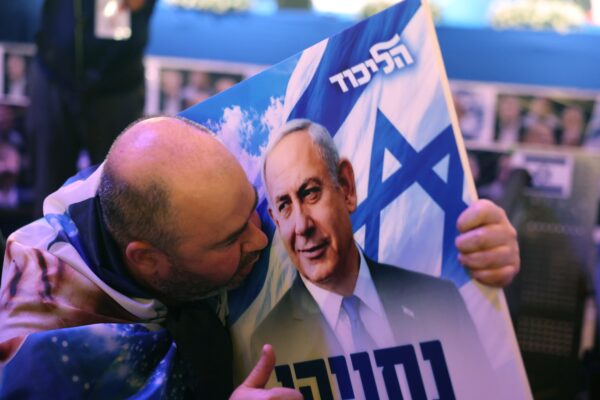
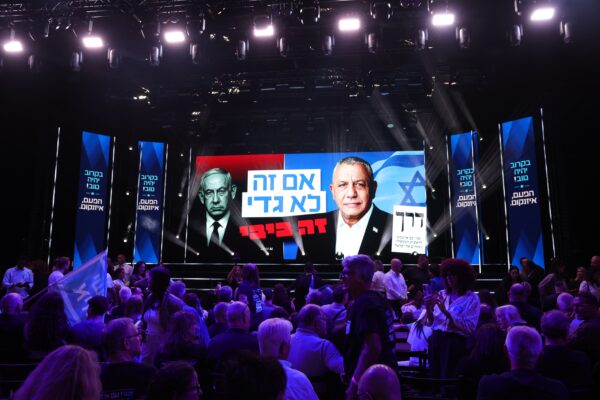
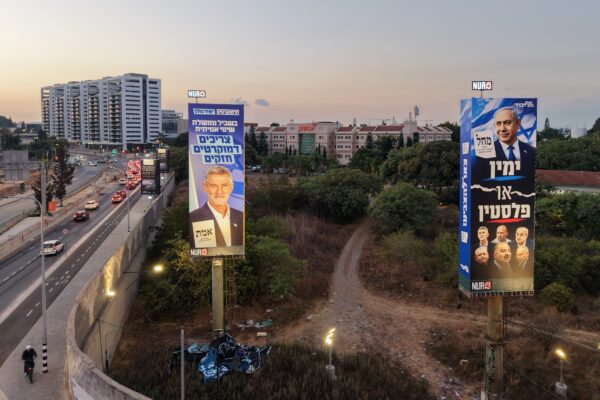
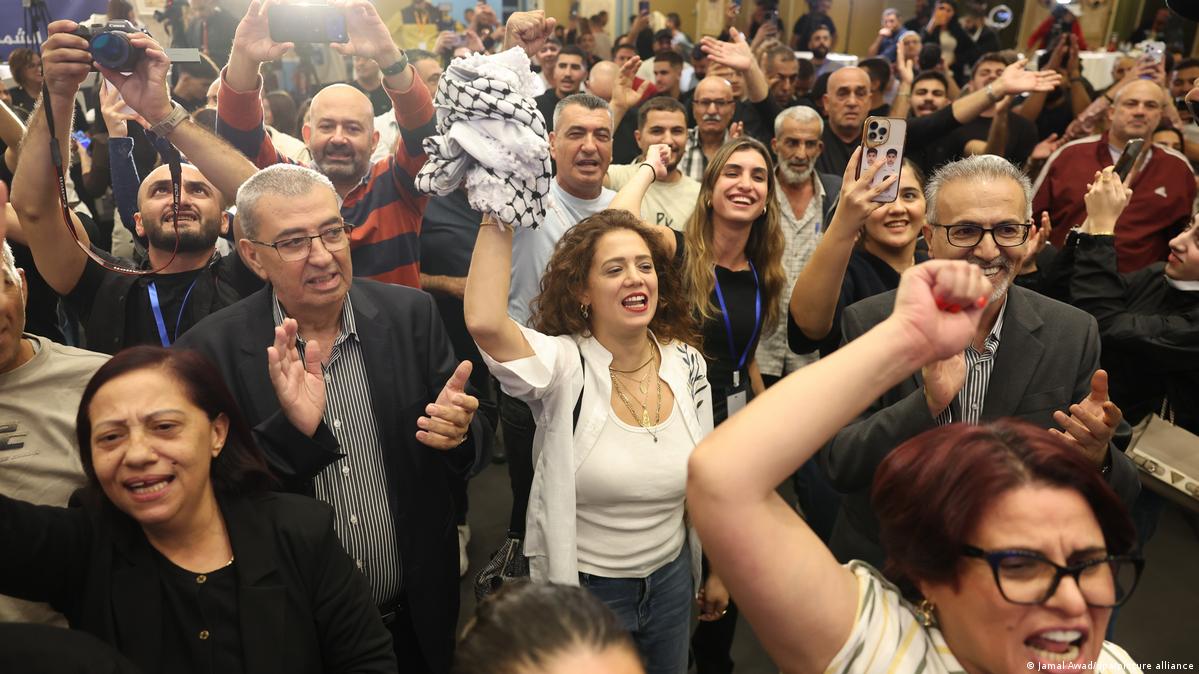
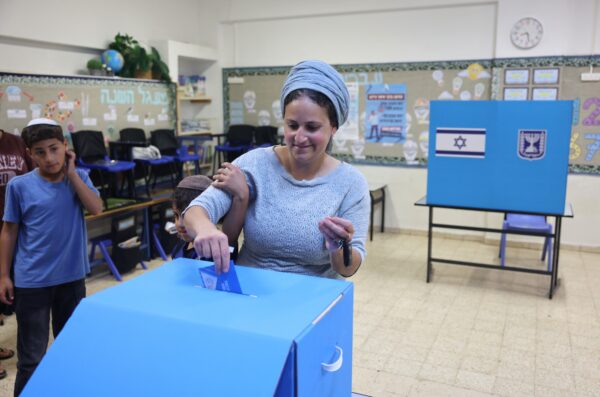
On October 27 2026, Israel held parliamentary elections that left the right-wing bloc led by Prime Minister Benjamin Netanyahu with the largest share of seats (53 of 120) but short of a governing majority. Netanyahu remains in a caretaker role while coalition talks continue. His main challenger, former chief of staff Gadi Eisenkot, heads the centrist Yashar party, which secured roughly 16 % of the vote and is forming an opposition bloc that includes former prime ministers Naftali Bennett and Yair Lapid. Arab-led parties are estimated to hold about 19 seats, making their support potentially decisive.
02
Background & Context
The election follows the October 7 2023 Hamas attack and Israel’s subsequent military campaign that has killed at least 70,000 Palestinians and devastated Gaza. The conflict has hardened regional positions: Saudi Arabia says any normalization must be linked to progress on Palestinian statehood, while back-channel contacts continue with the United Arab Emirates, Jordan and Egypt. A 2022 maritime agreement with Lebanon, negotiated after Netanyahu’s 2021-2022 ouster, remains a reference point.
Visual evidence
Images from the story
03
Key Figures & Groups
- Benjamin Netanyahu — incumbent prime minister and Likud leader.
- Gadi Eisenkot — former Israeli army chief of staff, leader of the Yashar party.
- Beth Oppenheim — policy fellow, European Council on Foreign Relations.
- Mairav Zonszein — senior Israel analyst, International Crisis Group.
- Ksenia Svetlova — associate fellow, Chatham House.
04
Data & Statistics
- Arab-led parties are projected to hold around 19 seats in the 120-member Knesset.
- A 2025 survey found 82 % of Israeli Jews support expelling Palestinians from Gaza and 56 % favor expelling Arab citizens of Israel.
- Israeli forces conducted 1,996 ground operations in southwest Syria between January and September 2026, reaching 1,160 km from the disputed border.
05
Official Statements & Responses
- Beth Oppenheim notes that an Eisenkot government would likely halt the judicial overhaul, open a commission of inquiry into the October 7 events, and pass a new conscription law, but would not fundamentally alter Israel’s security doctrine.
- Ksenia Svetlova argues that an anti-Netanyahu bloc could make a security agreement with Syria more probable, though she expects resistance from the extreme right.
06
On-the-Ground Reports
Security sources in Syria reported renewed attempts by Syrian-aligned operatives to target Druze communities in Sweida. The Israeli Air Force increased patrols, warning Damascus that Israel will not tolerate attacks on its Druze allies.
07
Conflicting Reports & Gaps
- Saudi normalization: Saudi officials continue to link any normalization to Palestinian statehood, creating uncertainty about timing.
- Syrian security agreement: Negotiations stalled in late 2026 after Israel refused to withdraw to the 1974 disengagement lines; experts say a centrist government could revive talks, but no timetable exists.
08
What’s Next
- Coalition negotiations will determine whether Eisenkot’s bloc can secure enough Arab-led party support to form a government.
- EU sanctions discussions remain on hold until a new cabinet is confirmed.
- Israeli and Syrian officials continue informal talks on a possible security arrangement, described as “taking time.”
- Lebanese authorities are monitoring developments for opportunities to advance the maritime agreement and troop withdrawal talks.