
Full Breakdown
Reflect Orbital’s Nighttime Sunlight Test Stirs Scientific, Environmental, and Regulatory Backlash
By Drooid · · How we work
In this breakdown
01
Core Event: Prototype Mirror Satellite Test and Desert Demonstration
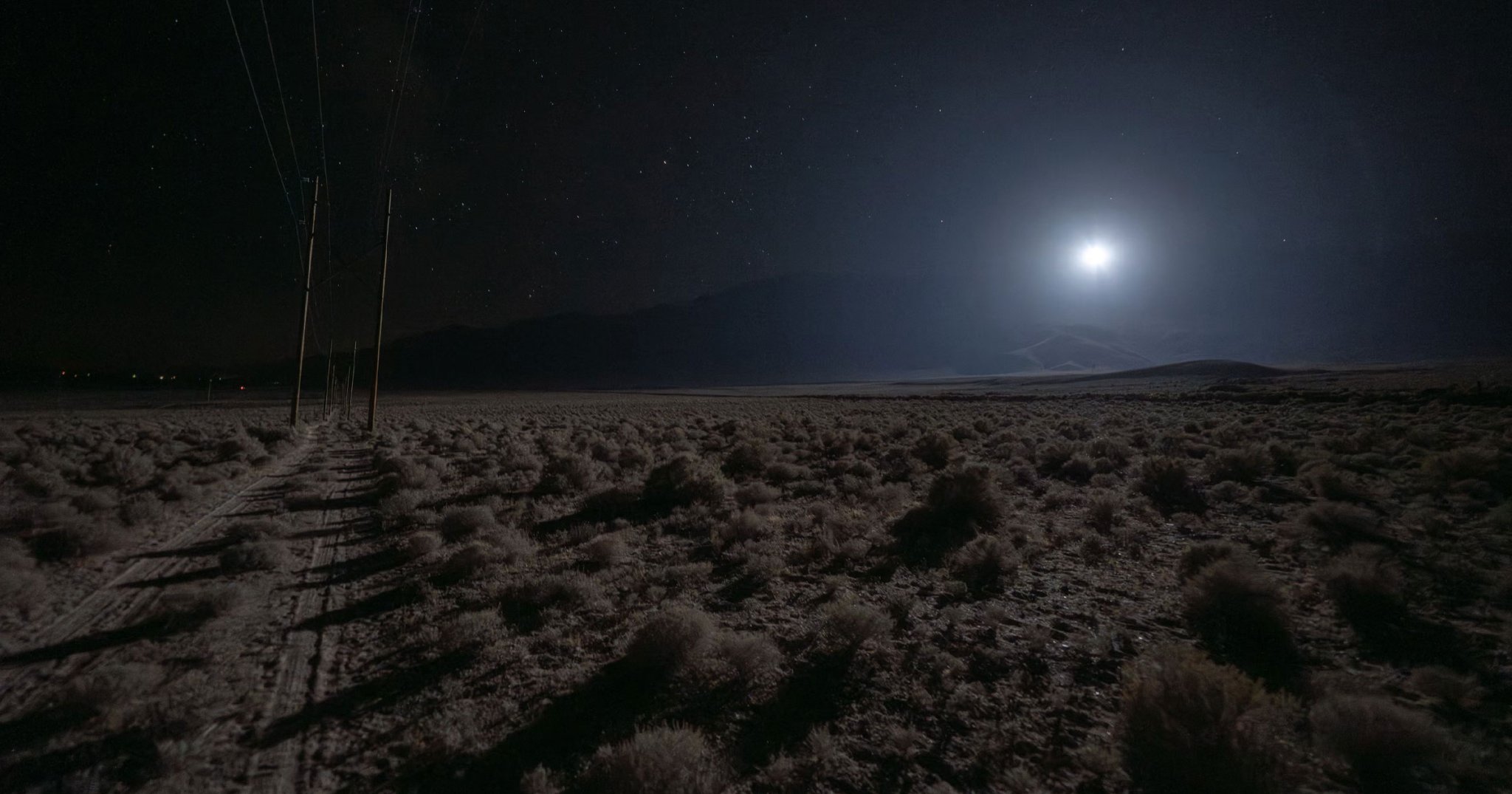
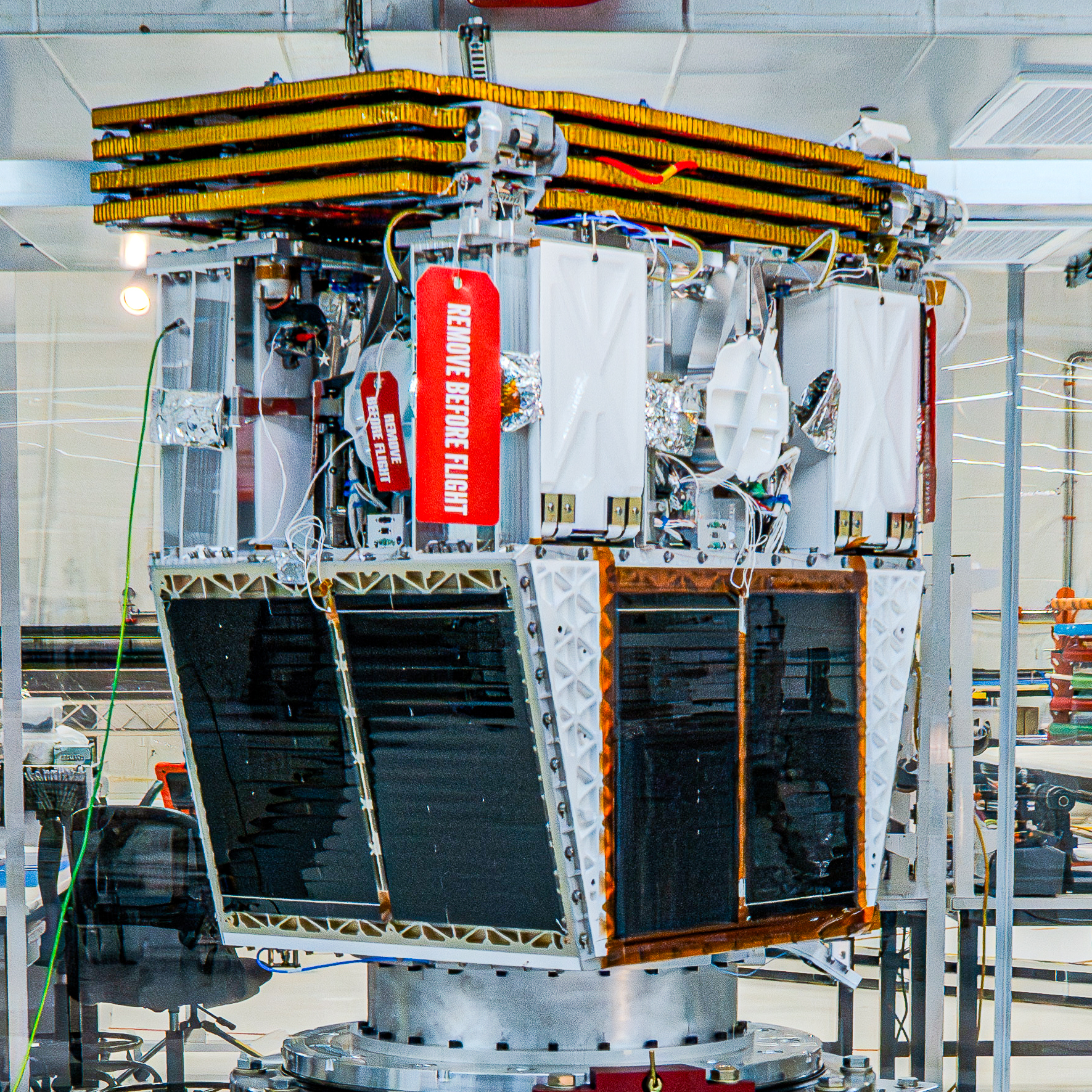
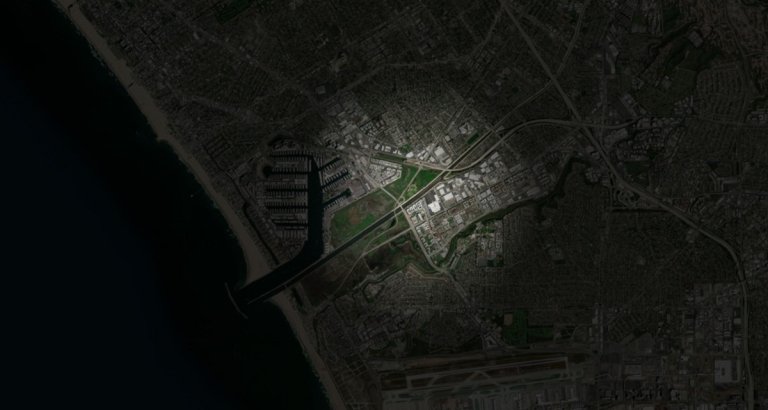
Earlier this year the U.S. Federal Communications Commission (FCC) approved Reflect Orbital’s prototype “mirror satellite” that would reflect sunlight onto specific locations after dark. In a ground-based demonstration near Lone Pine, California, the company illuminated a mountainside with spotlights bright enough to exceed a full Moon, casting long shadows. Local officials were reportedly unaware of the test, and the company gave no advance notice to astronomers.
02
Background & Context
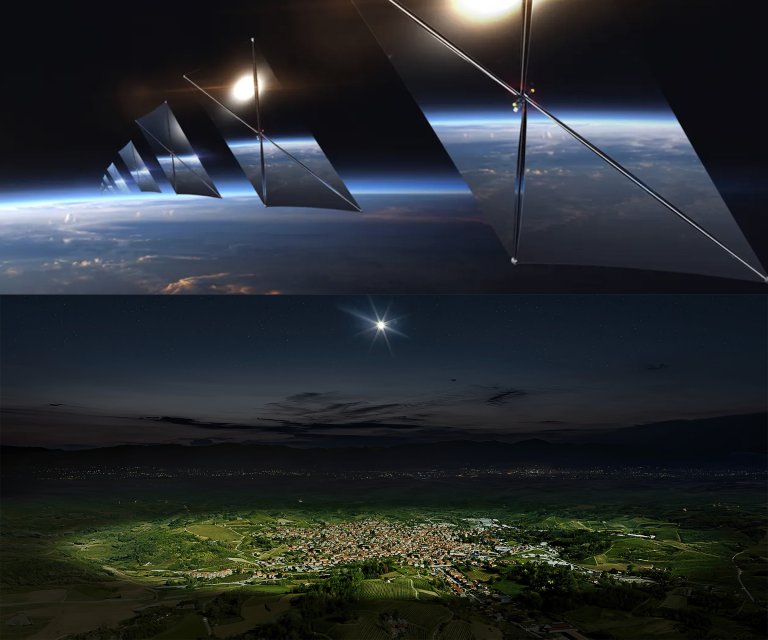
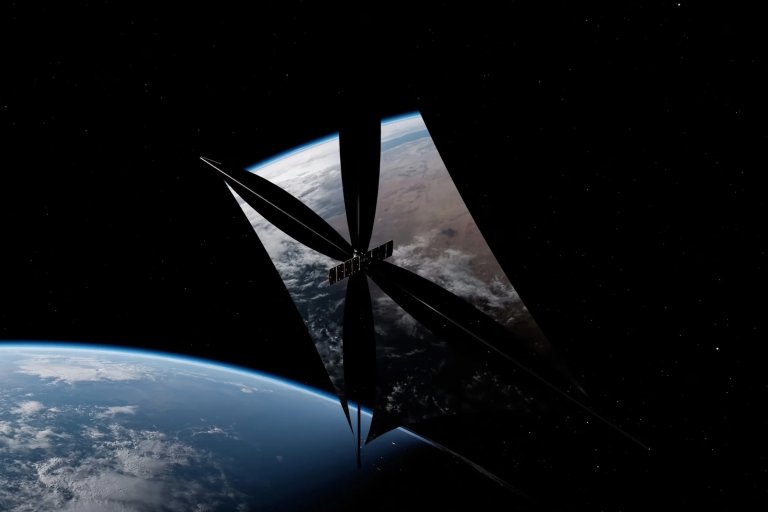
Reflect Orbital’s “sunlight-as-a-service” concept envisions fleets of satellites equipped with 18 m × 18 m mirrors that direct solar radiation to targeted sites. The startup argues the technology could aid search-and-rescue teams, extend operating hours of solar farms, and support disaster response. The FCC’s authorization on July 9 covered only a single demonstration satellite (Earendil-1) and its radio communications.
Visual evidence
Images from the story

03
Timeline
- July 9 – FCC issues a limited authorisation for Earendil-1.
- October 14 – Reflect Orbital announces purchase of two dedicated launches from Skyroot Aerospace.
- October 26 – Ground demonstration near Lone Pine; residents report being startled by the unexpected illumination.
04
Key Figures & Groups
- Ben Nowack – co-founder and CEO, Reflect Orbital.
- Gaspar Bakos – astrophysicist, Princeton University.
- Jan Hasselman – senior attorney, Earthjustice.
- David Ho – climate scientist, University of Hawaii.
- Samantha Lawler – associate professor of astronomy, University of Regina.
- DarkSky International, Environment America, American Bird Conservancy, Public Employees for Environmental Responsibility – environmental organisations challenging the FCC approval.
- Pawan Kumar Chandana – co-founder and CEO, Skyroot Aerospace.
05
Criticism & Opposition
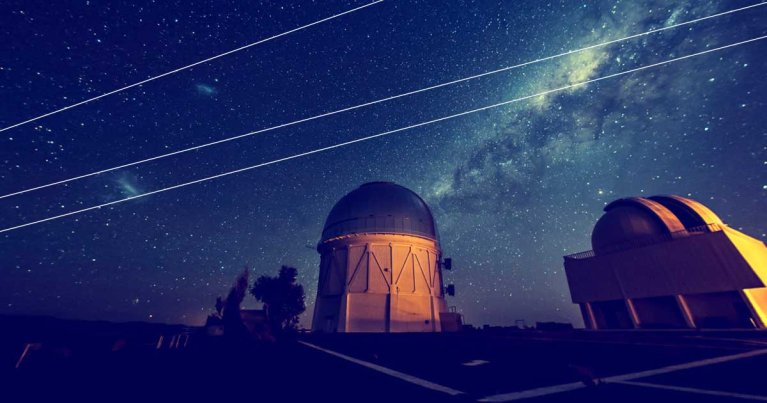
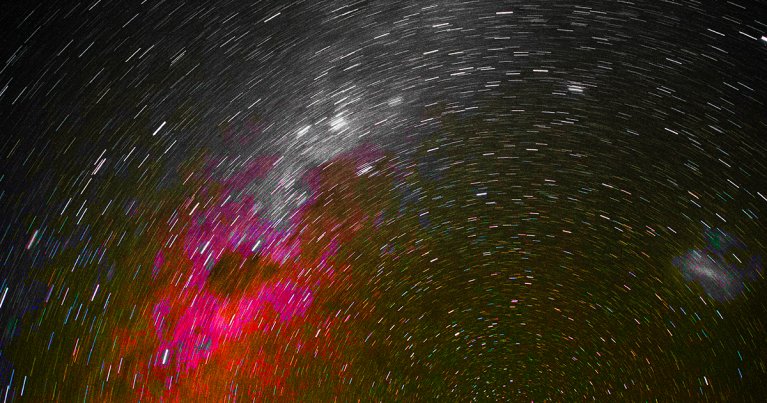
Astronomers warn that directed beams could overwhelm telescope detectors, damage equipment, and pose eye-injury risks. Bakos described the beams as “a bullet in your head,” and Lawler emphasized the lack of coordination with observatories. Environmental lawyers argue artificial night lighting threatens nocturnal wildlife and migratory birds. Hasselman called the project “idiotic,” citing unresolved environmental questions. Ho noted the concept runs counter to proposals that aim to reflect sunlight away from Earth to mitigate warming.
06
Official Statements & Responses
Reflect Orbital maintains that its technology could support emergency responders, increase renewable electricity generation, and reduce fossil-fuel dependence. Nowack asserted the firm will continue working with astronomers, local communities, and regulators. The FCC’s July 9 authorisation specifies an operating altitude of roughly 625 km but does not grant a blanket licence for illumination, leaving night-sky usage unsettled.
07
On-the-Ground Reports
Residents near the Lone Pine site described the lights as “blinding” and reported being startled on October 26.
08
Conflicting Reports & Gaps
- It remains unclear whether Reflect Orbital obtained any local permits for the desert test.
- The FCC’s approval does not address who should authorize deliberate illumination, creating a jurisdictional gap.
- Launch timelines are ambiguous: some reports place the first orbital demonstration in 2027, while the company has discussed a possible launch at the end of 2026, but no firm date has been confirmed.
09
Why It Matters
If deployed at scale, orbital mirrors could permanently alter the night sky, jeopardizing astronomical research, disrupting ecosystems, and establishing a precedent for commercial control of Earth’s illumination.
10
What’s Next
Environmental groups have filed petitions urging the FCC to conduct a broader review of the project’s environmental and public-safety impacts. Reflect Orbital’s planned launches with Skyroot Aerospace remain pending, with no confirmed date beyond the tentative 2026-2027 window.