
Full Breakdown
Arizona Confirms First New World Screwworm Case in a Dog
By Drooid · · How we work
In this breakdown
01
First Arizona Detection
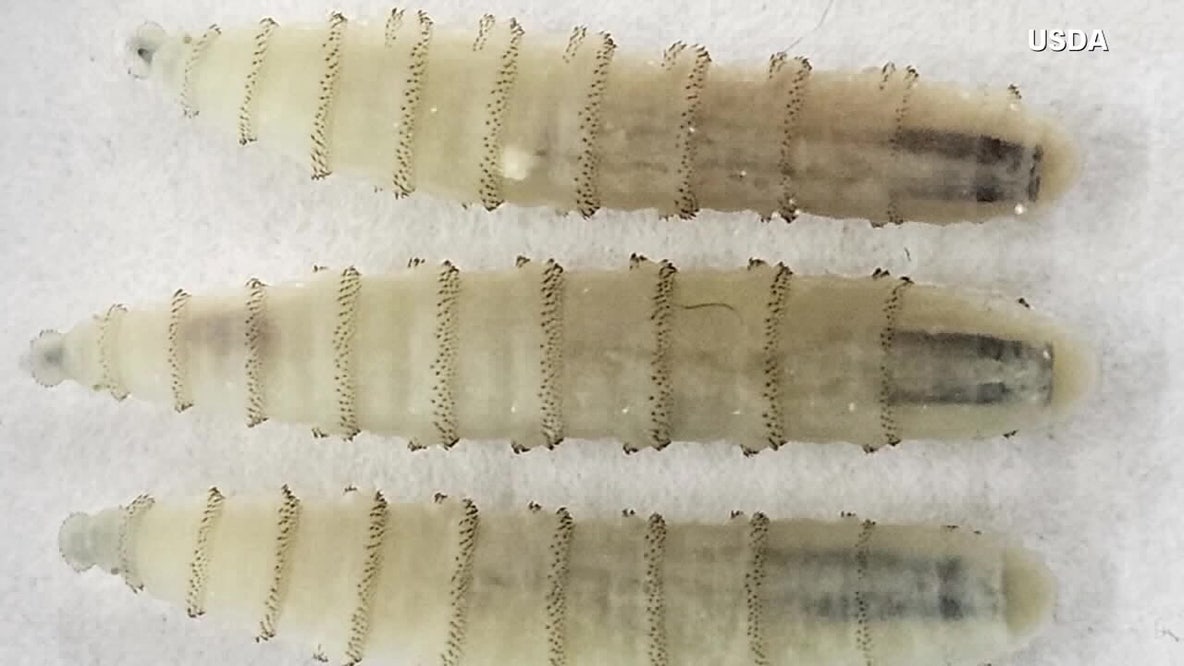
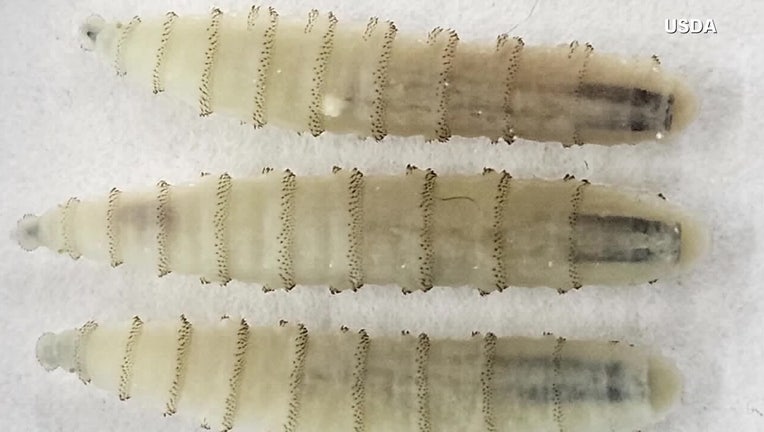
On October 28, the U.S. Department of Agriculture’s Animal and Plant Health Inspection Service (APHIS) confirmed that a dog on a ranch in Cochise County, Arizona, was infested with New World screwworm (NWS). Laboratory analysis at the APHIS National Veterinary Services Laboratory in Ames, Iowa, verified the presence of maggots consistent with the parasite. The animal was receiving veterinary care at the time of the announcement.
02
Background & Context
New World screwworm, *Cochliomyia hominivorax*, was eradicated from the United States in the 1960s. Since 2023 it has moved northward through Central America and Mexico, reaching the southern United States in 2024. The first U.S. animal case was recorded on June 3 in Texas, followed by detections in cattle, sheep, and an elk. The Arizona incident is the parasite’s first confirmed appearance in the state and the third U.S. state to report an active case.
Visual evidence
Images from the story




03
Response Measures
Data & Statistics
- USDA reports 71 screwworm detections nationwide since June, with 18 cases still active (as of October 28).
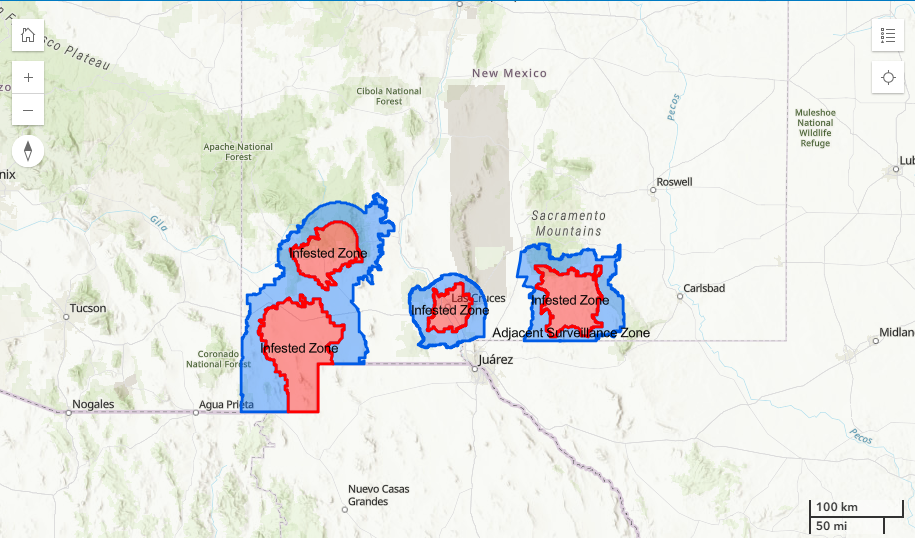
- APHIS has established a 20-kilometer (12-mile) “infested zone” around the Arizona detection and is implementing animal-movement controls.
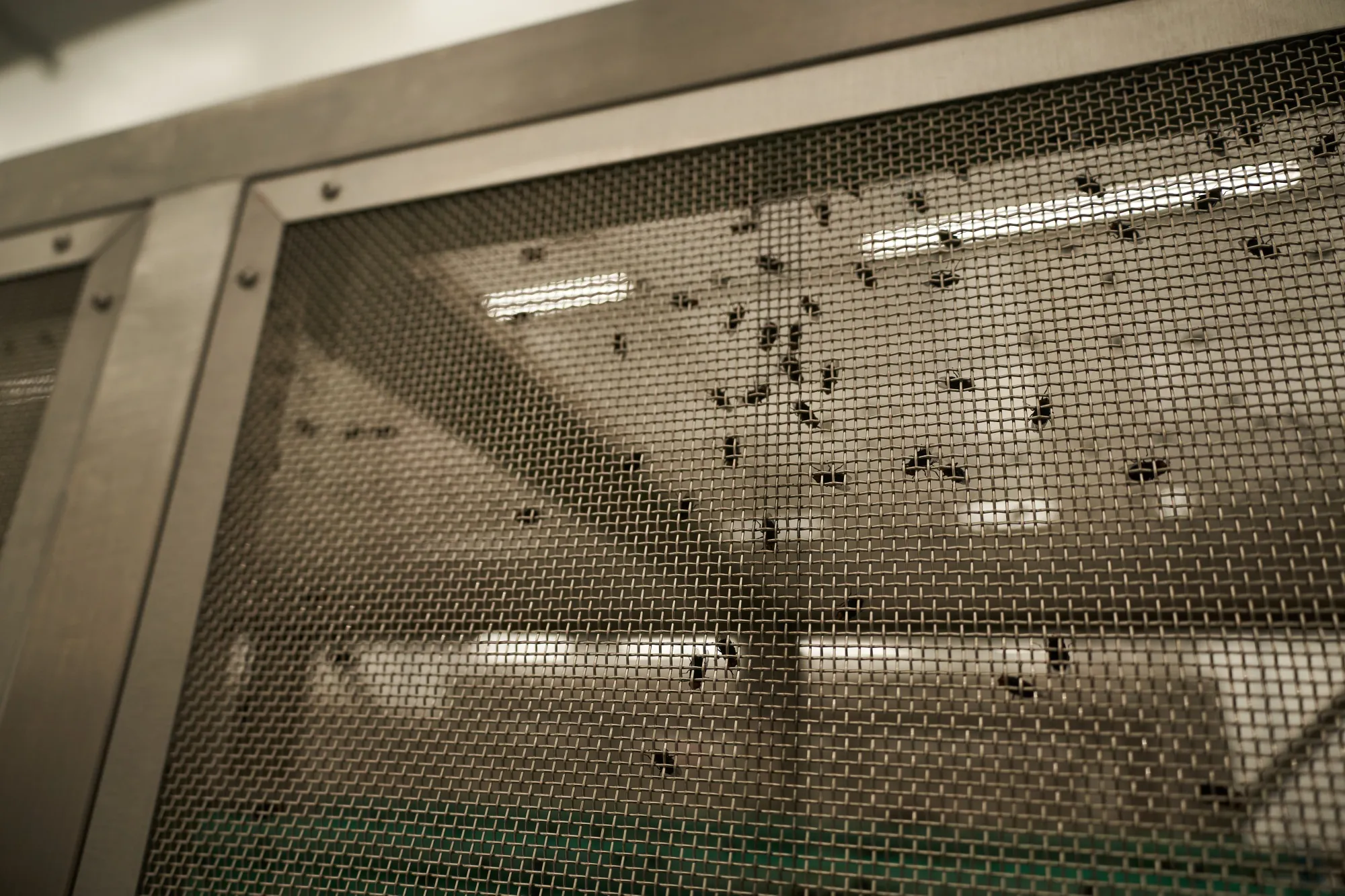
- Approximately 1 million sterile male screwworm flies have been released near the Cochise County ranch.
Official Statements & Responses
- The Arizona Department of Agriculture (AZDA) is coordinating with USDA, neighboring states, and Mexican counterparts on surveillance and sterile-fly releases.
- State Veterinarian Dr. Ryan Wolker said outreach has prepared producers and pet owners to recognize and report suspected cases, enabling a swift response.
- AZDA Director Paul Brierley noted the parasite had not been seen in Arizona since its eradication and that the agency has been preparing for over a year.
04
Verbatim Quotes
- “We’ve not had any cases in Arizona until today’s confirmed case. But it’s something we’ve been working on for over a year to prepare for,” — Arizona Department
- “There’s other livestock on the ranch, which we will be evaluating and will be responding swiftly here with movement restrictions and the establishment of an infested zone,” — State Veterinarian Ryan Wolker
- “New World screwworm is a serious pest that affects livestock, pets, wildlife, and, less commonly, people. The larvae feed on living tissue and can cause severe wounds, animal suffering, and significant economic impacts if not detected and treated quickly.” — The USDA
05
Impact and Outlook
The outbreak arrives as USDA is gradually reopening livestock import ports along the U.S.–Mexico border, with cattle imports at Nogales, Arizona, slated for November 30, pending “safe-trade” conditions. The presence of NWS in a companion animal highlights the parasite’s expanding host range and prompts heightened awareness among pet owners, producers, and wildlife managers. Ongoing sterile-fly releases and the infested-zone protocol aim to prevent establishment of a permanent screwworm population in the Southwest.
06
Conflicting Reports & Gaps
- Case totals: USDA-linked sources cite 71 detections with 18 active, while LCSun-News reports 65 total cases with 53 inactive. Both figures are presented as current, leaving the exact national tally unresolved.
- Geographic spread: Reports focus on Arizona, Texas, and New Mexico, but some mention additional detections in Hudspeth County, Texas, and Otero County, New Mexico, without detailed counts, indicating incomplete public data on the outbreak’s full extent.
Continued surveillance, reporting, and coordinated cross-border measures will determine whether the parasite can be contained before it establishes a lasting foothold in U.S. livestock and wildlife populations.