
Full Breakdown
Israeli Markets Tumble as Election Results Remain Uncertain
By Drooid · · How we work
In this breakdown
01
Market Reaction to the Emerging Vote Count
When preliminary results indicated that Prime Minister Benjamin Netanyahu’s right-wing bloc was performing better than early exit polls suggested—yet still short of the 61 seats needed for a majority—financial markets swung sharply lower. The Tel Aviv Stock Exchange opened its first session since the vote count began, with the benchmark TA-35 falling between 1.4% and 2.9% and the broader TA-125 dropping 1.8%–3.3%. The TA-90 index declined roughly 3%–4.6%, while the construction sector led losses, sliding as much as 8% in some accounts.
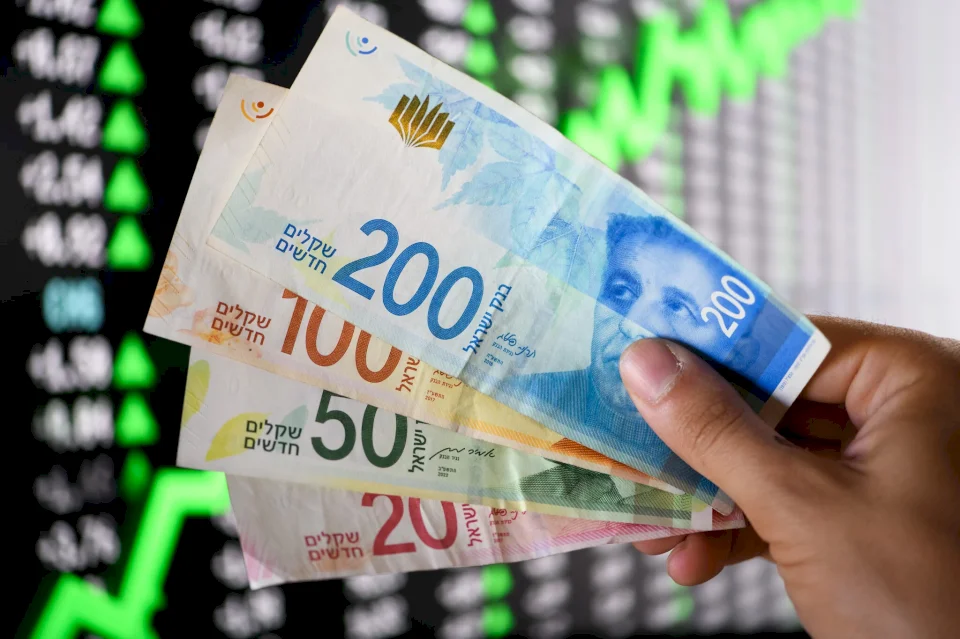
Bond yields rose: Israel’s 10-year government bond yielded about 4.1%–4.13%, up 5–6 basis points. The shekel weakened against the dollar, moving from a low of 3.02 shekels per dollar to around 3.09–3.13, and the euro slipped to roughly 3.42–3.47.
02
Background: Election Uncertainty and Market Expectations
The election was preceded by a week of optimism. On Monday, the TA-35 had surged nearly 2% as investors priced in the possibility of a change in government that might improve relations with Western allies and lower Israel’s risk premium. Exit polls initially showed a narrow lead for the anti-Netanyahu bloc, but as vote tallies progressed, estimates shifted to 55–57 seats for Netanyahu’s camp versus 47–50 seats for the opposition, with Arab parties projected to hold about 19 seats. No side secured a clear majority, leaving coalition formation uncertain.
Visual evidence
Images from the story



03
Data & Statistics
- Equity indices: TA-35 down 1.4%–2.85%; TA-125 down 1.8%–3.3%; TA-90 down 3%–4.6%.
- Sectoral losses: Construction up to 8%; real estate 3.6%–6.3%; banking about 3%–4.8%; insurance 3.6%–5.8%.
- Bond market: 10-year yield up 5–6 bps to 4.1%–4.13%.
- Currency: Dollar at ~3.09–3.13 shekels; euro at ~3.42–3.47 shekels.
04
Official Statements & Responses
Eran Buchris, a certified public accountant, warned that each five-agorot rise in the dollar adds roughly 2,500 shekels to a $50,000 import bill, eroding thin profit margins. He advised firms to consider locking in exchange rates.
Meir Vider, CEO of Vider Mortgages, said the shekel’s movement does not directly affect interest rates on shekel-denominated mortgages, and any broader impact would be indirect.
05
Verbatim Quotes
- “Israel’s financial markets have reacted negatively to the result,” — William Jackson
- “Forming a government will be difficult in Israel,” — Daniel Bergvall, head of economic forecasting at SEB
06
Implications for Businesses and Consumers
The rapid currency swing threatens import costs and could raise fuel prices, with forecasts suggesting a liter of 95-octane gasoline could approach 9 shekels once the Ministry of Finance announces rates. Investors are also watching the U.S. Federal Reserve’s policy decision, with expectations of a 4% benchmark rate hold.
07
Conflicting Reports & Gaps
Sources differ on the magnitude of the equity declines: the Jerusalem Post reports a 2.85% drop in the TA-35, while Ynetnews cites a 1.7% decline, and i24news notes a 1.4% fall. Bond-yield figures also vary slightly, ranging from 4.1% to 4.13%. No source provides a definitive final seat count, leaving the timeline for government formation uncertain.
08
What’s Next
Analysts say the next few days will determine whether Netanyahu’s bloc can secure a governing coalition or trigger another election. Market participants will monitor official announcements on the final seat distribution, the appointment of a Finance Minister, and the upcoming fuel-price declaration.