
Full Breakdown
King Tides Flood Coastal Communities in 2026
By Drooid · · How we work
In this breakdown
01
Widespread King Tide Flooding Hits U.S. Coasts
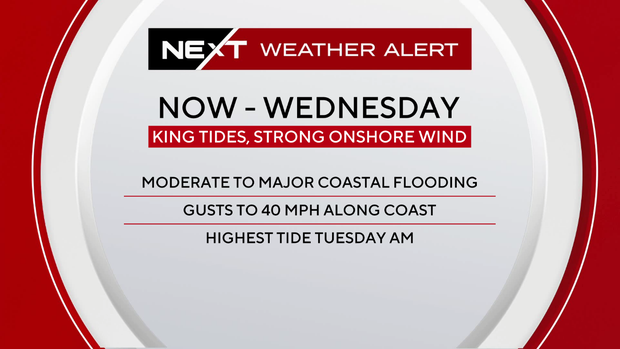
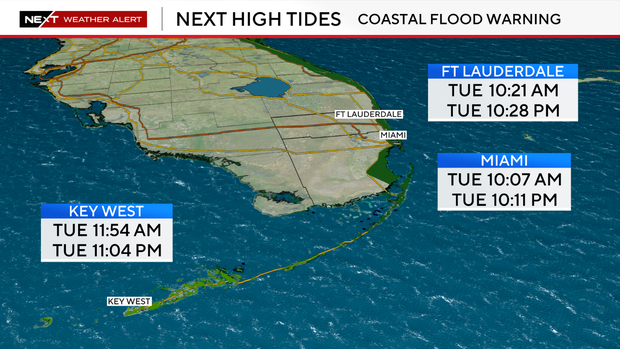
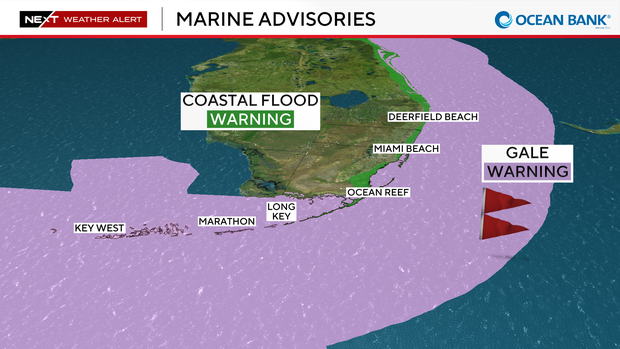
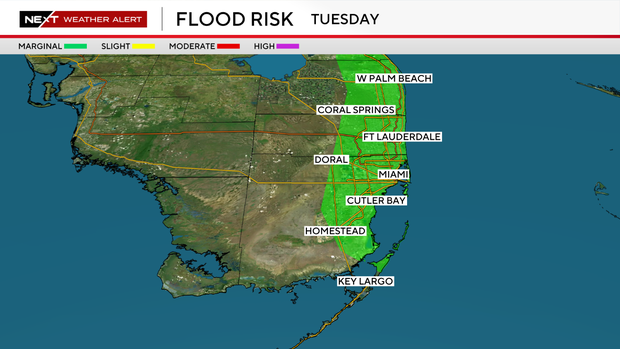
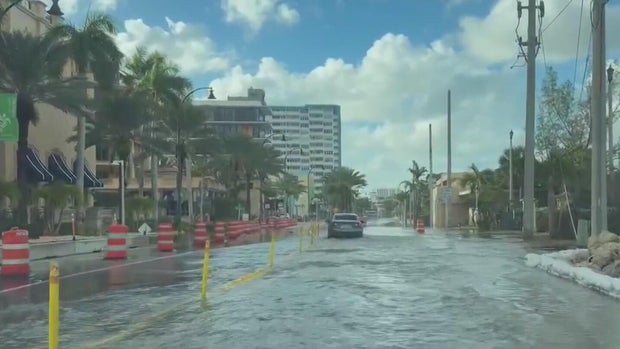
During mid-October 2026, exceptionally high tides—known as king tides—combined with onshore winds and rain to inundate streets, homes and businesses along the Atlantic and Pacific coasts. Flooding was reported from California’s Huntington Beach to Florida’s Fort Lauderdale, Charleston, South Carolina and the Outer Banks of North Carolina. The National Weather Service (NWS) issued a coastal flood warning for southeastern Florida that remained in effect through the following day.
Watch
Related reporting
cbsnews
Video: King tides send water flowing over Fort Lauderdale streets, into backyards
cbsnews
Video: King tides had double the flooding in Fort Lauderdale and Hollywood neighborhoods Monday evening
cbsnews
Video: NEXT Weather Alert for King Tide flooding has been extended until Wednesday
02
Background & Context
King tides occur when the gravitational forces of the Earth, moon and sun align, producing the highest predictable tides of the year. They recur several times annually, typically around new or full moons when the moon is near perigee. This year’s cycle was amplified by a lingering “super El Niño” that warmed Pacific waters and Kelvin-wave pulses that lifted sea levels along the California coast.
Visual evidence
Images from the story
03
Data & Statistics
- In Northern California, tide heights peaked about 1.9 ft (? 0.5 m) above normal.
- The Virginia Key gauge in Miami recorded 2.54 ft above mean higher high water, the third-highest level since 1994.
- Port Everglades in Fort Lauderdale logged its highest water level on record for that gauge.
04
On-the-Ground Reports
Residents described knee-deep water on major thoroughfares. In Huntington Beach a homeowner reported sandbags inside her garage being overtopped; in Fort Lauderdale a city employee noted water breaching the top of a step for the first time. In Charleston and Myrtle Beach, street flooding coincided with rip-current advisories.
05
Official Statements & Responses
The NWS warned that the most severe coastal flooding would occur during two high-tide windows each day, urging the public to avoid driving, walking or wading in saltwater. City officials in Fort Lauderdale explained that tidal flooding differs from rain-driven flooding because saltwater is pushed into low-lying areas through drainage systems and over seawalls, and that existing storm-water pumps cannot expel water when ocean levels are already elevated.
Meteorologist Chris Fisher of the National Weather Service highlighted that the current water levels approached those seen only during hurricanes, underscoring the historic nature of the event.
06
Virtual Reality Initiative Shows Future Risks
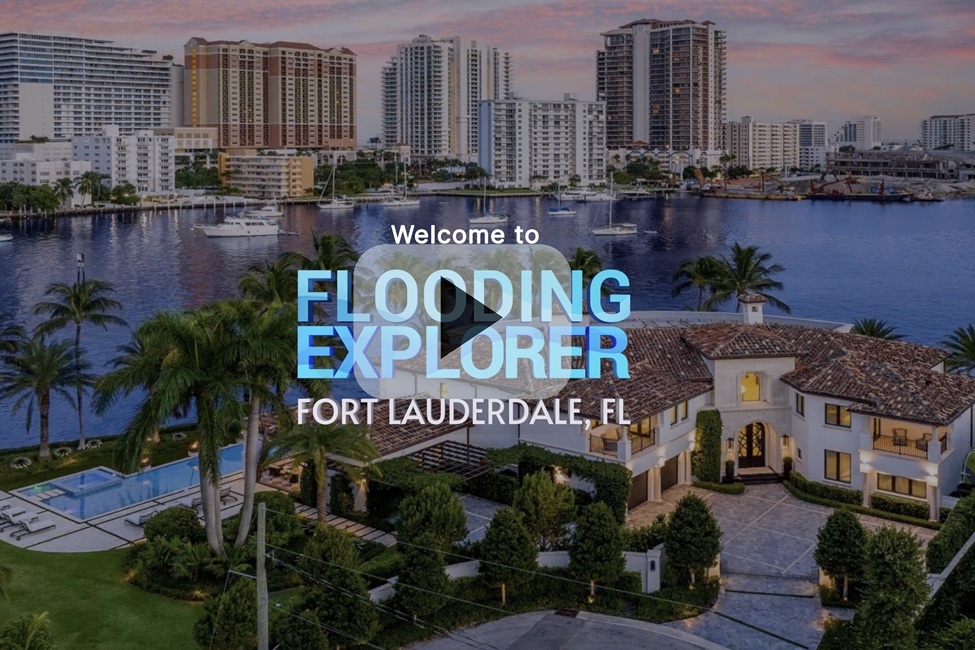
Florida Atlantic University and partners released an immersive virtual-reality experience, “Flooding Explorer: Fort Lauderdale,” allowing users to visualize how sea-level rise of 3-5 ft could affect neighborhoods, historic sites and infrastructure. The simulation demonstrates that even modest rises could push water inland far from the shoreline, stressing drainage systems and prompting discussions of elevated seawalls, wetland restoration and green infrastructure.
07
What’s Next
The NWS forecast continued moderate to major coastal flooding through the end of the week, with additional high-tide windows expected later in the week. City planners in Fort Lauderdale indicated that long-term adaptation measures—such as expanding tidal valve capacity and revising building codes—are under review to mitigate future king-tide impacts.
08
Verbatim Quotes
- “It floods a little bit, but never to this point,” — Stacey Frederick, resident of Huntington Beach
- “Virtual reality lets people experience flooding in ways that maps and statistics alone cannot,” — Serena Hoermann, Ph.D., FAU