
Full Breakdown
Election Results Yield a Parliamentary Deadlock
By Drooid · · How we work
In this breakdown
01
Prelude: Security Crises and Political Stakes
Israel’s October 27, 2026 parliamentary election was the first since the Oct 7, 2023 Hamas attack that killed roughly 1,200 people and sparked a three-year war in Gaza. The conflict dominated the campaign, framing the vote as a referendum on Prime Minister Benjamin Netanyahu’s security record and his coalition’s push to draft ultra-Orthodox citizens. Former IDF chief of staff Gadi Eisenkot entered the race promising accountability for the Oct 7 failures and a “Zionist” government that would include Arab parties.
Watch
Related reporting
cbsnews
Video: Israeli election to test Benjamin Netanyahu's ability to hold power
youtube
What's next for Israel after election produces political gridlock
02
Seat Distribution and Voter Turnout
- Netanyahu’s bloc – Likud plus United Torah Judaism, Shas, Otzma Yehudit and the Religious Zionist Party – 53 seats.
- Eisenkot’s opposition bloc – Yashar, B’Yachad, Yisrael Beytenu and The Democrats – 48 seats.
- Arab parties – Joint List and Ra’am – 19 seats.
A 61-seat majority is required; no bloc reached it, creating a stalemate. Voter participation was about 78 percent, the highest since 1999.
Visual evidence
Images from the story
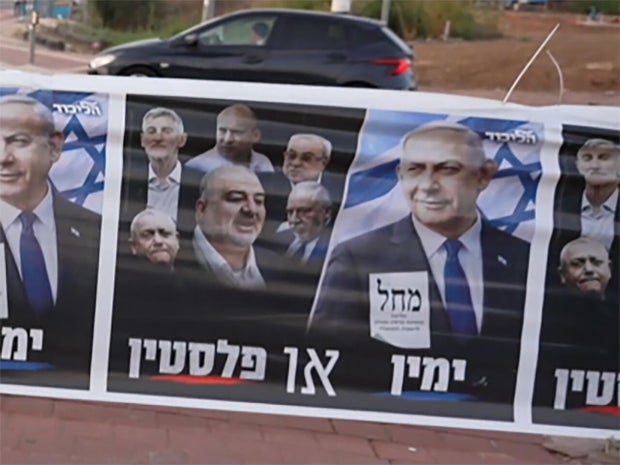

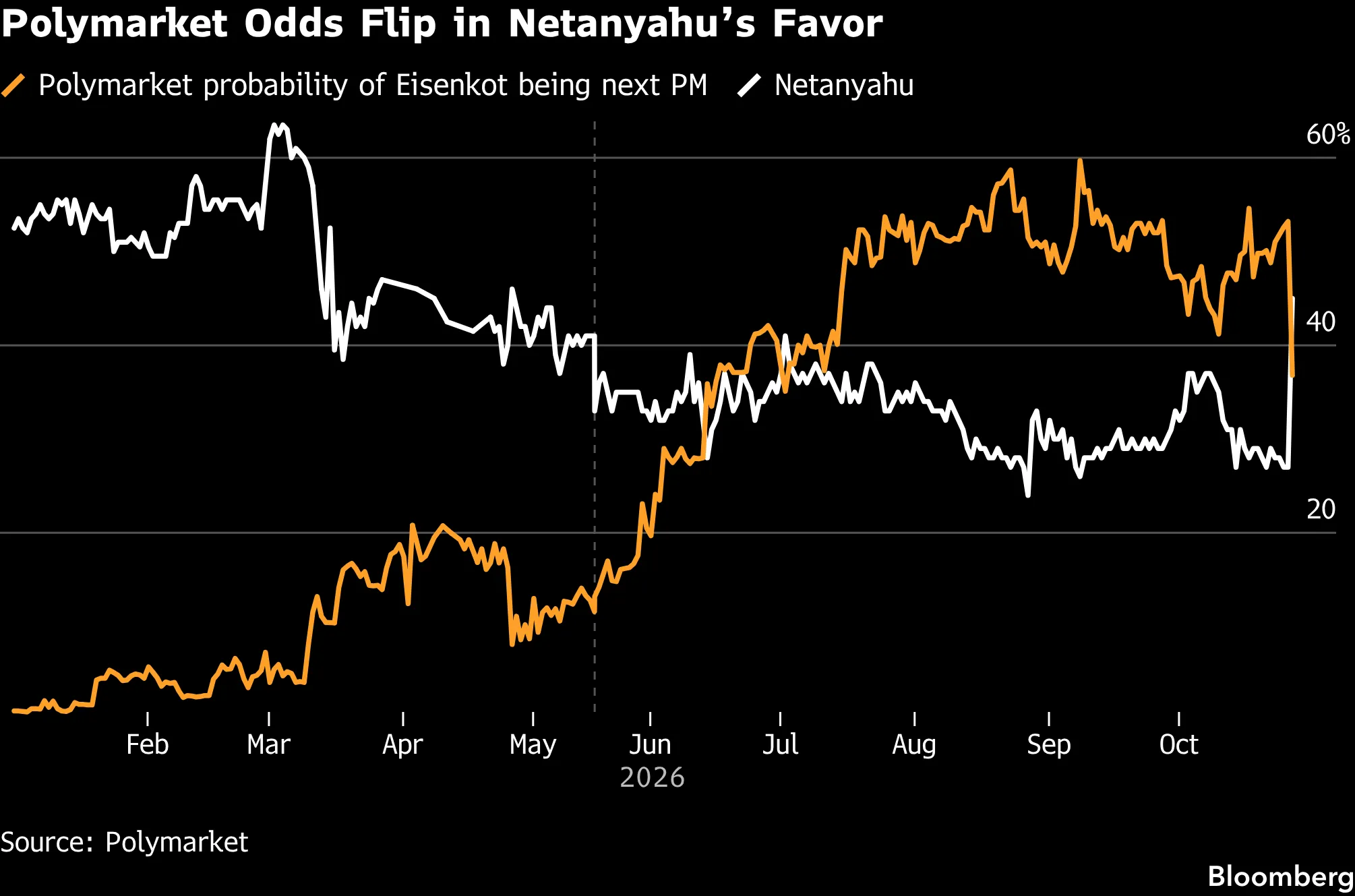
03
Leaders’ Positions on Forming a Government
Netanyahu said his right-wing alliance must form “a right-wing national strong government” and rejected any coalition that includes Arab parties. Eisenkot called for “swift action” and urged Arab parties to endorse four principles: Israel as a Jewish and democratic state, Hamas as a terrorist organization, and universal military conscription for ultra-Orthodox Jews and Arab citizens. President Isaac Herzog urged politicians to keep “an open mind” and warned that a new election must be avoided.
04
Accusations and Red Lines
Netanyahu’s camp accused Arab parties of “stealing the election” through alleged fraud; police found no substantiation. Opposition figure Avigdor Liberman refused any partnership with Arab parties, citing a post-Oct 7 “red line.”
05
Public Reaction
On October 25, 2026, tens of thousands marched in Tel Aviv demanding accountability for the Oct 7 failures, chanting “We cannot be a dictatorship!” and “We need mutual responsibility,” highlighting deep division over security and governance.
06
Discrepancies in Exit Polls and Projections
Early exit polls from Channels 12, 13 and 14 suggested Eisenkot’s bloc led narrowly, prompting his declaration of victory. Later counts showed Netanyahu’s bloc ahead, with seat projections ranging from 51-53 for his alliance and 48-52 for Eisenkot’s. The variance reflects methodological differences; no final party-by-party tally has been released.
07
Verbatim Quotes
- “Millions of Israelis have had enough of the culture of lies, of failure, of division and incitement,” — Gadi Eisenkot
- “The public has spoken — it has fired the Netanyahu government,” — Yair Golan, Democrats
08
Future Negotiations and Potential Outcomes
President Herzog will invite the leader most likely to form a government—either Netanyahu or Eisenkot—to begin coalition talks. The first nominee has 28 days to assemble a majority, with a possible 14-day extension; a second nominee would receive a fresh 28-day window. Failure by either side would trigger the dissolution of the Knesset and a new election, leaving Netanyahu as caretaker prime minister in the interim. Negotiations will hinge on whether the opposition can secure Arab party support or whether a minority government can survive confidence votes.