
Full Breakdown
John Healey’s First Budget: Small Measures Amid Global Economic Storms
By Drooid · · How we work
In this breakdown
01
Core Event – Budget Highlights
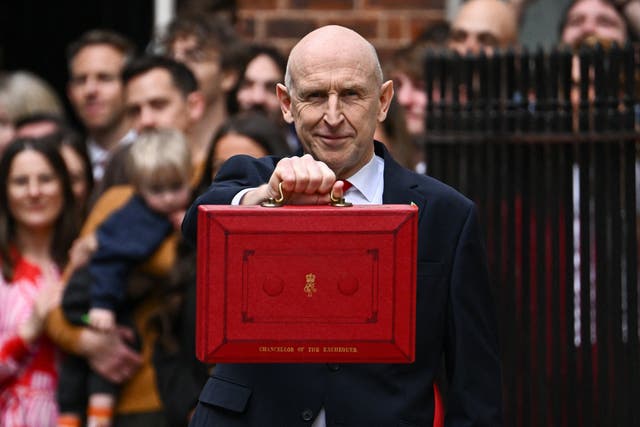
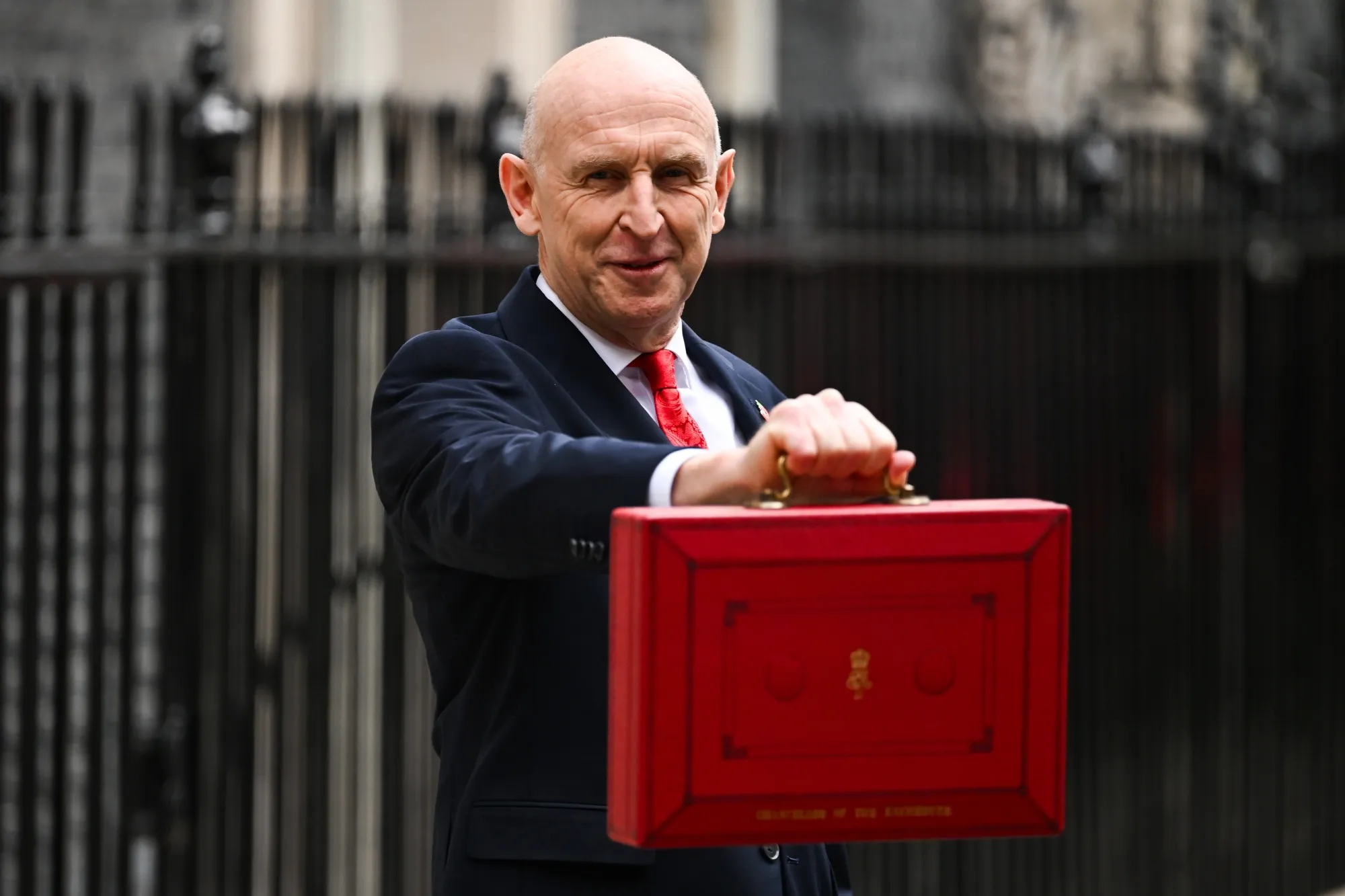
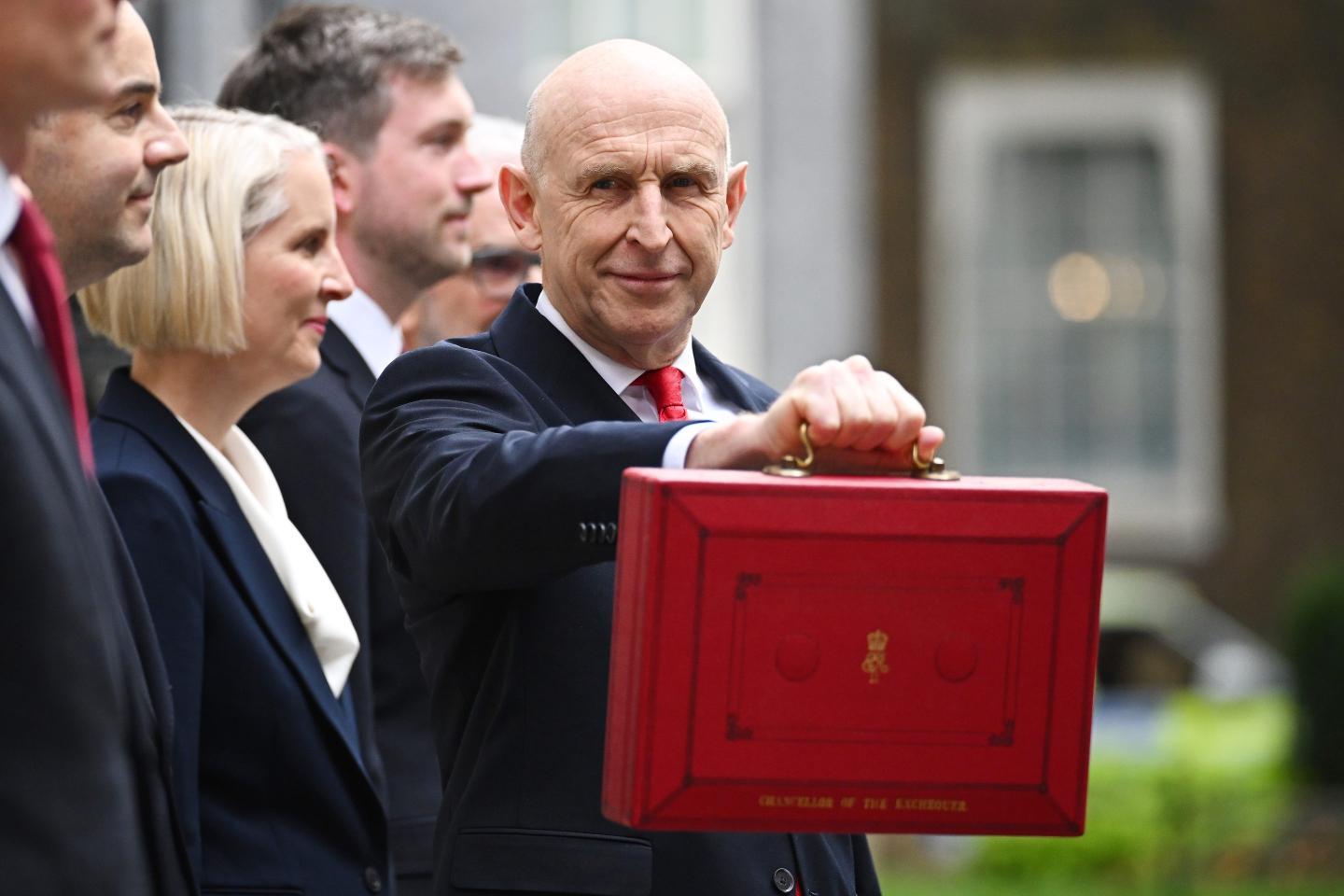
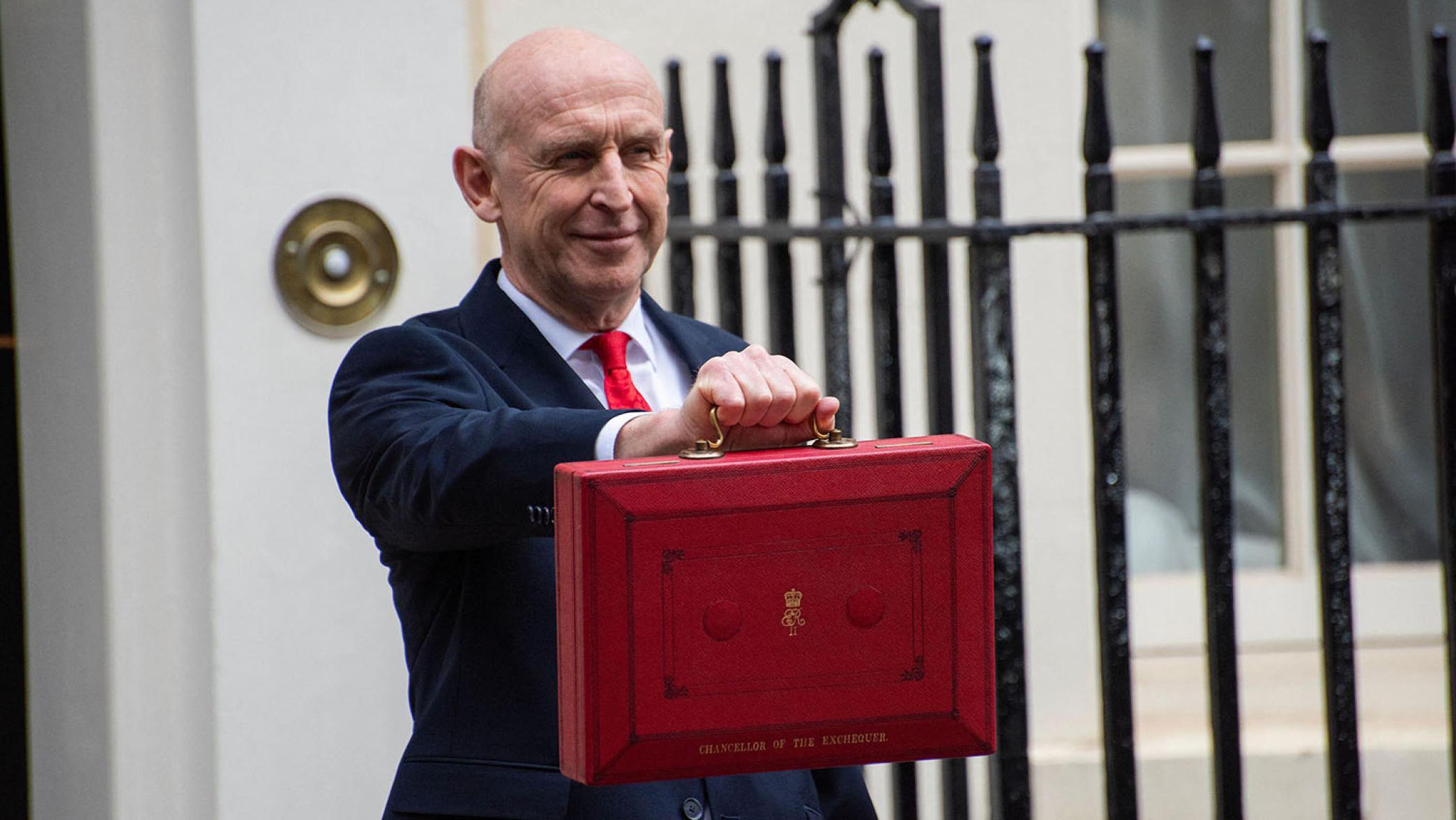
Chancellor John Healey delivered his first budget on Wednesday. The package centres on four headline actions:
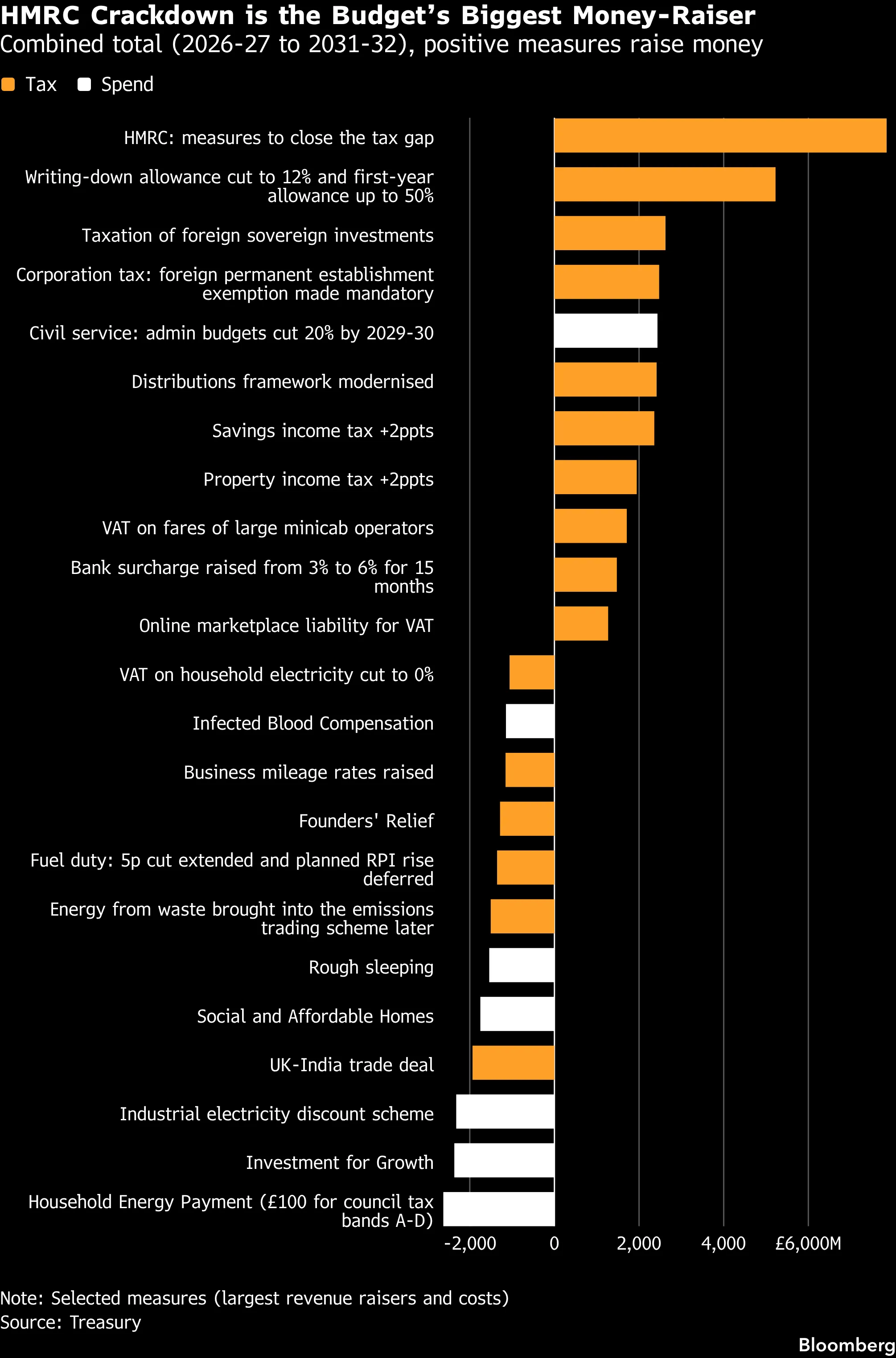
- A £100 one-off payment to up to 20 million households in England in council-tax bands A-D to ease winter energy bills. The Treasury estimates the cost at £2.6 bn–£3.7 bn over the current and next fiscal year.
- An increase of the bank corporation-tax surcharge from 3 % to 6 % for 15 months, projected to raise £1.2 bn–£1.5 bn in revenue.
- Extension of the temporary VAT cut on electricity for another year, saving households about £50 per year.
- Abolition of gas standing charges, cutting the typical household bill by ? £45 per year.
Additional measures include a £4.7 bn allocation to plug a defence-investment gap, a rise in the National Living Wage to £13.21 per hour, and a £665 m business-rates relief for pubs, social clubs and live-music venues.
Watch
Related reporting
ex
Healey announces measures to give people 'breathing space' on living costs
ex
Budget 2026: What it means for households, businesses, and the economy
02
Background & Context
The budget arrives as the Iran-related conflict in the Middle East has pushed global oil and gas prices higher, a shock the chancellor described as “global economic storms.” The Office for Budget Responsibility (OBR) warned that the UK’s fiscal position remains “very challenging,” noting that rising debt-interest costs have halved the fiscal buffer to about £12 bn. Labour’s predecessor, Rachel Reeves, had introduced a £60 bn tax-rise package; Healey’s approach shifts to modest, targeted relief while pledging to keep Labour’s fiscal rules intact.
Visual evidence
Images from the story
03
Official Statements & Responses
Prime Minister Andy Burnham called the removal of gas standing charges “basic fairness” and pledged further energy-market reform. The Treasury confirmed the £100 payment will be paid directly into the council-tax-paying bank accounts of eligible households. The OBR reiterated that debt-interest costs will rise by £14 bn this year, tightening the fiscal outlook.
04
Criticism & Opposition
- The Liberal Democrats warned that “Britain’s public finances are on a cliff edge. A ‘do-nothing’ budget will not solve the problems staring us in the face.”
- Paul Nowak, TUC general secretary, praised the doubled bank surcharge but urged further action: “The chancellor has made a good start… next he should be prepared to extend it if profits remain sky-high.”
- Conservative leader Kemi Badenoch criticised the budget as “not bold enough” and said the government is “overspent, overborrowed and overtaxed.”
05
Conflicting Reports & Gaps
- Cost of the £100 payment: £2.6 bn versus £3.7 bn over two years.
- Revenue from the bank surcharge: £1.2 bn versus £1.5 bn.
- Composition of the “breathing space” package: some sources highlight business-rates relief and VAT/electricity measures, while others focus on the energy-payment and gas-charge abolition, leaving the full fiscal impact unclear.
06
What’s Next
- A detailed roadmap for reaching the 3 % defence-spending target will be set out in next year’s spending review.
- Devolution reforms – a £150 m boost for mayoralties and a £1.5 bn borrowing facility for local authorities – will be detailed in an upcoming white paper.
- The OBR will publish its full fiscal forecast for 2027-28 later this month, testing whether the reduced fiscal buffer can absorb further shocks.