
Full Breakdown
John Healey’s first budget: a “flotilla of small measures” amid global economic storms
By Drooid · · How we work
In this breakdown
01
Core Event
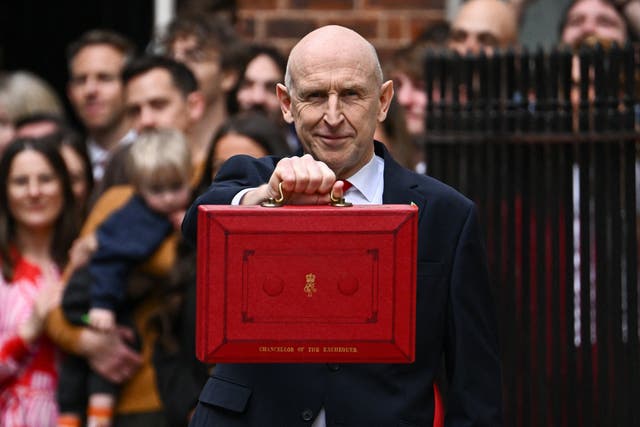
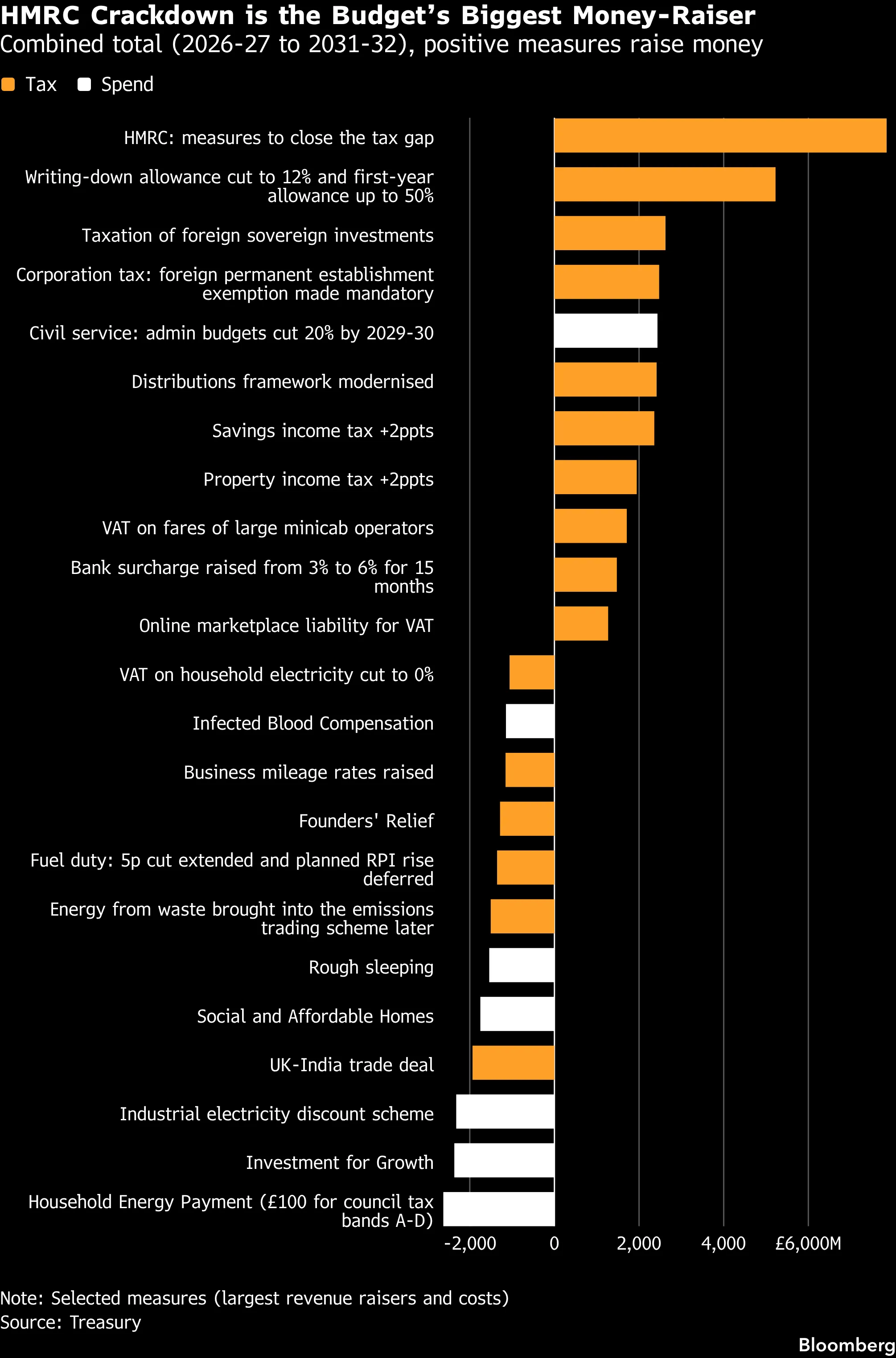
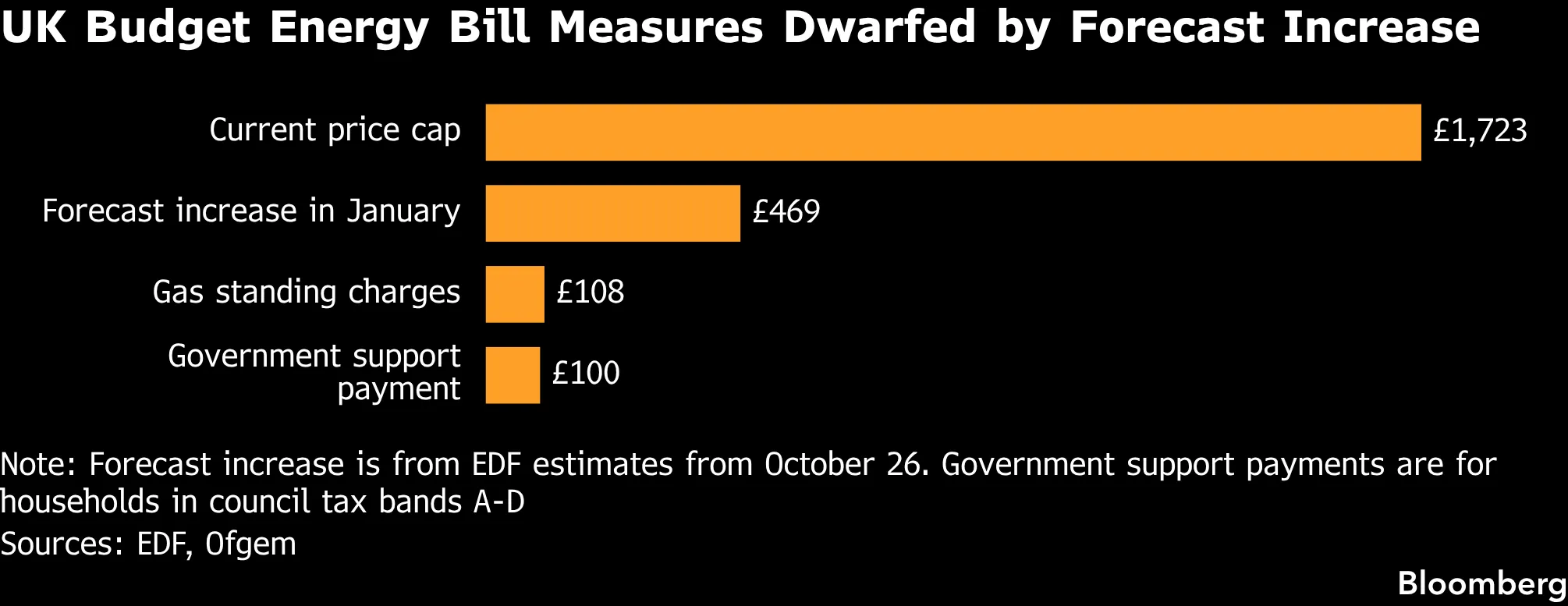
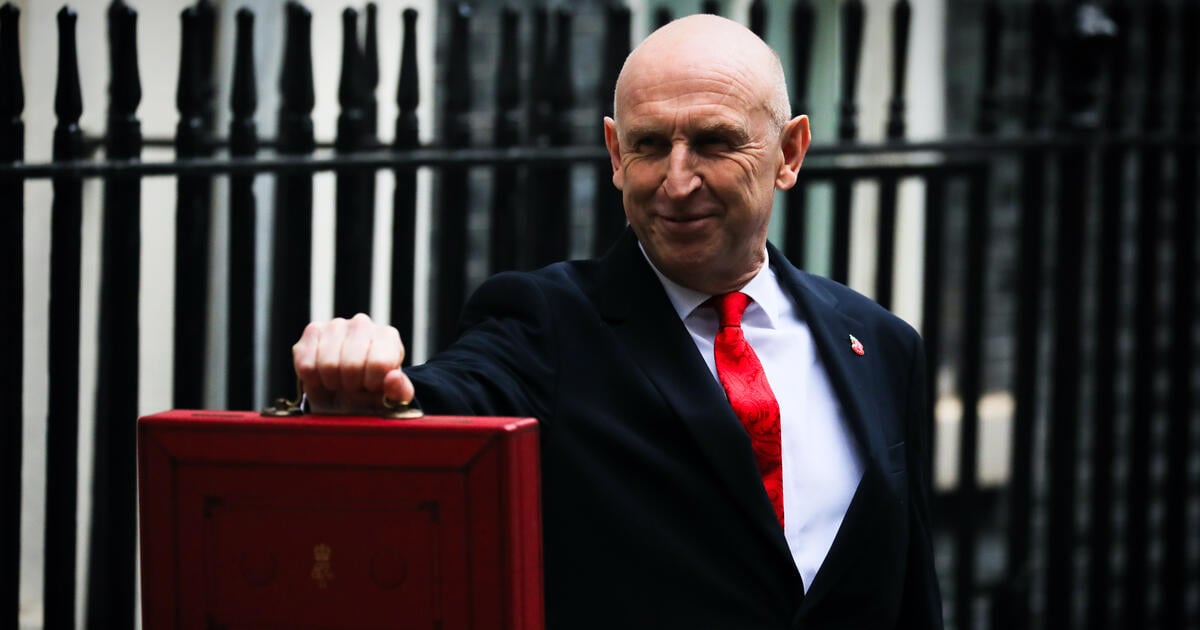
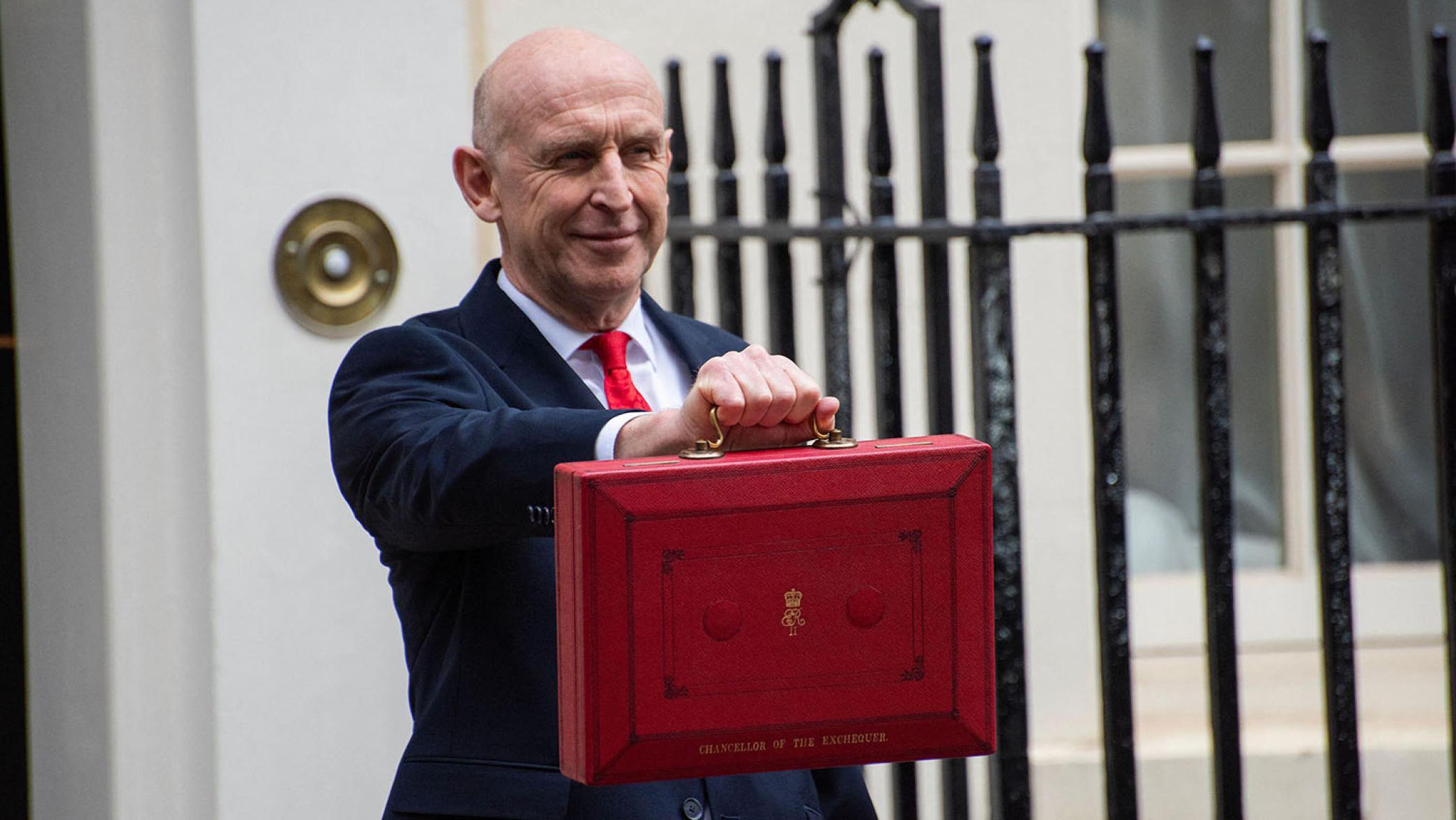
On October 28 2026 Chancellor John Healey delivered his inaugural budget for Prime Minister Andy Burnham’s Labour government. The statement combined modest fiscal tightening with “breathing-space” measures aimed at households and businesses hit by soaring energy costs and a “global economic storm” triggered by the war in the Middle East. Central to the package is a £100 Household Energy Payment for up to 20 million English households in council-tax bands A-D, funded by a temporary increase in the bank surcharge from 3 % to 6 % for 15 months.
Watch
Related reporting
ex
Budget 2026: What it means for households, businesses, and the economy
02
Background & Context
Labour entered office with a fiscal rule that day-to-day spending must be matched by tax receipts by 2029-30. The previous chancellor, Rachel Reeves, had built a £24 billion headroom, but higher debt-interest costs linked to oil prices above $110 a barrel have halved that buffer, according to the Resolution Foundation. The Office for Budget Responsibility (OBR) warned that the UK’s growth outlook has slipped from 1.6 % to 1 % for the coming year, while inflation is projected near 4 %.
Visual evidence
Images from the story


03
Data & Statistics
- £100 payment to 20 million households – cost estimated at £2.6 billion (Guardian) and £3.7 billion over the fiscal year.
- Bank surcharge raised to 6 % for 15 months, expected to raise £1.5 billion in revenue.
- Debt-interest bill up by £14 billion this year.
- Fiscal headroom now around £12 billion (Resolution Foundation) versus the £15 billion target the chancellor says is needed to keep bond markets calm.
- Standing-charge abolition on gas bills to save an average £45 per household per year.
04
Official Statements & Responses
Healey linked the need for extra revenue to “global economic storms” and pledged to rebuild the fiscal headroom to £22 billion by 2030-31. Burnham highlighted devolution, promising £150 million for mayoral capacity and a £1.5 billion borrowing facility for local authorities. The OBR’s David Miles described the outlook for household finances as “pretty grim”.
05
Criticism & Opposition
- Ruth Curtice, Resolution Foundation, argued the £100 handout is “badly targeted” and would leave families “facing a tough winter”.
- Paul Nowak, TUC general secretary, praised the bank surcharge increase but urged the government to extend it further if bank profits remain high.
06
Conflicting Reports & Gaps
The cost of the Household Energy Payment is reported as £2.6 billion (Guardian) and £3.7 billion, reflecting different accounting horizons. Growth forecasts diverge: the OBR now expects 1 % growth, while earlier Treasury estimates projected 1.6 %. The OBR’s headroom figure of £12 billion contrasts with the Treasury’s “comfortable” target of £15 billion, leaving uncertainty over how much fiscal space remains for future spending.
07
What’s Next
The budget defers major decisions on defence spending, welfare reform and tax policy to the next year’s spending review. The OBR will publish an updated fiscal outlook later in the year, and the government has scheduled the Milburn and Timms reviews on youth unemployment and disability benefits for next month. A fiscal-devolution roadmap released alongside the budget promises a £150 million capacity fund for English mayoral authorities and a £1.5 billion borrowing facility, with implementation details to be set out in the 2027-28 financial year.