
Full Breakdown
Salvadoran Troop Surge to Haiti Amid Missing Technicians and Election Delay
By Drooid · · How we work
In this breakdown
01
Core Event
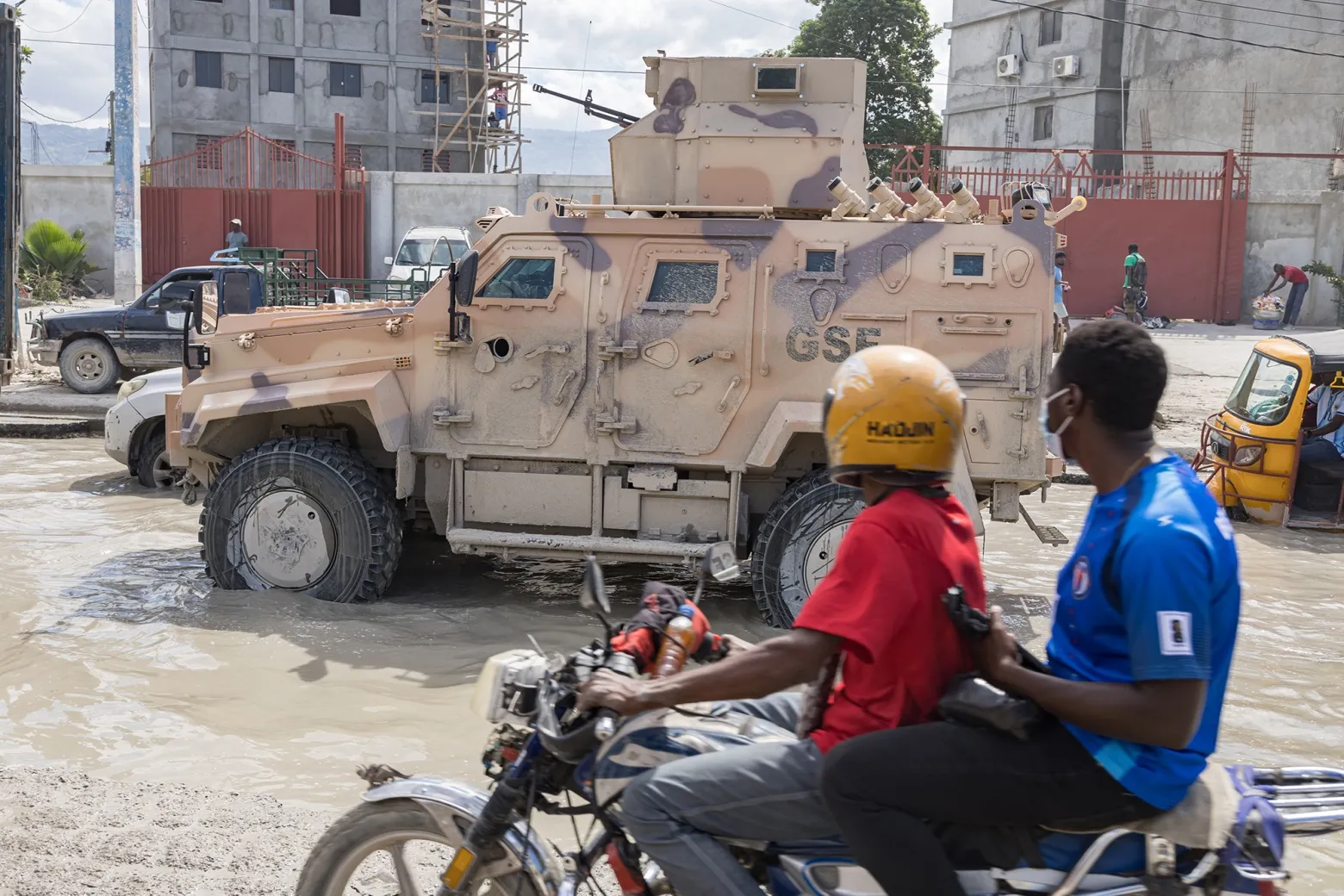
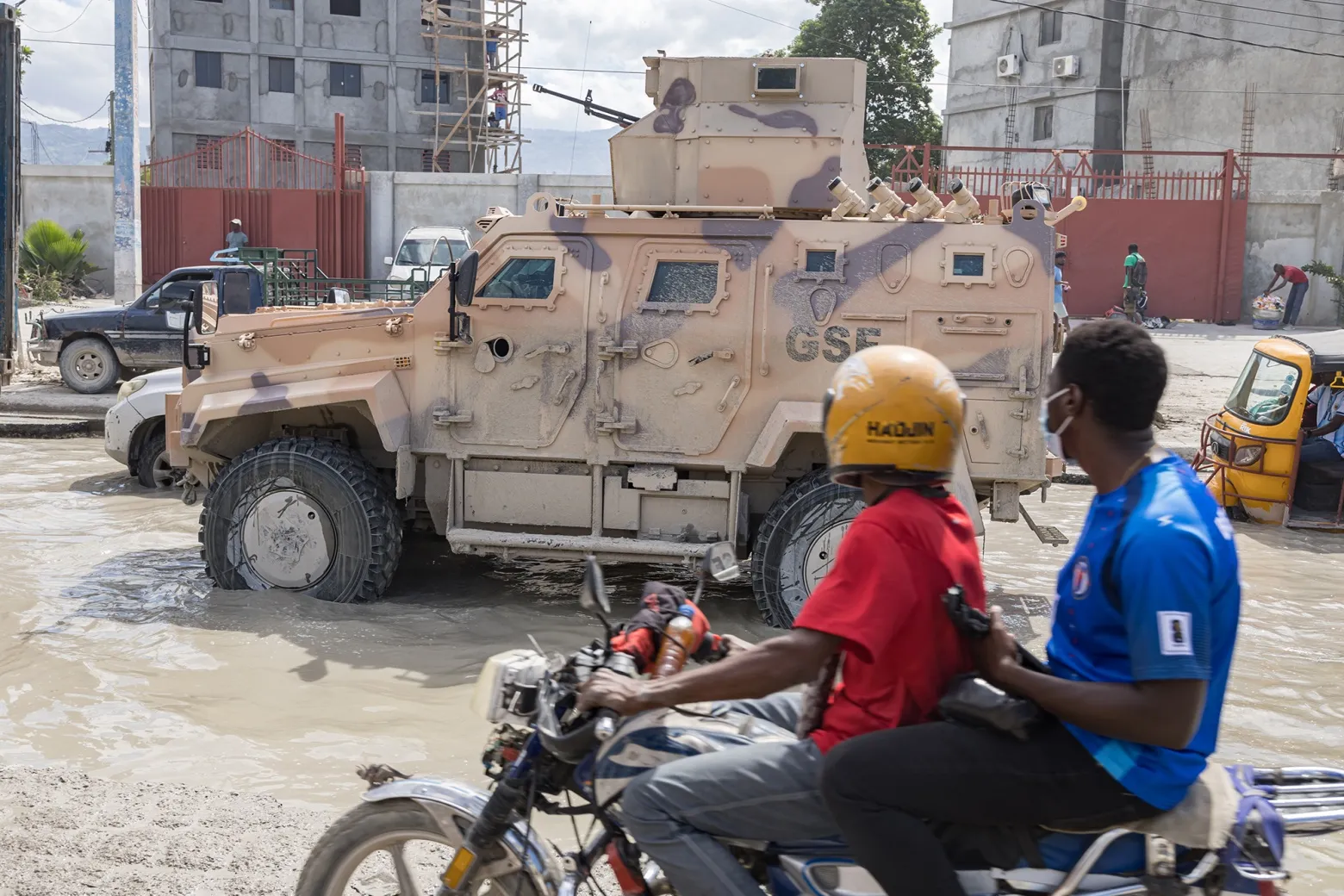
- On October 18, 2026 an armed gang ambushed a vehicle carrying four Salvadoran aviation technicians serving with the UN-backed Gang Suppression Force (GSF) on the outskirts of Port-au-Prince. The technicians escaped the burning vehicle but have not been located.
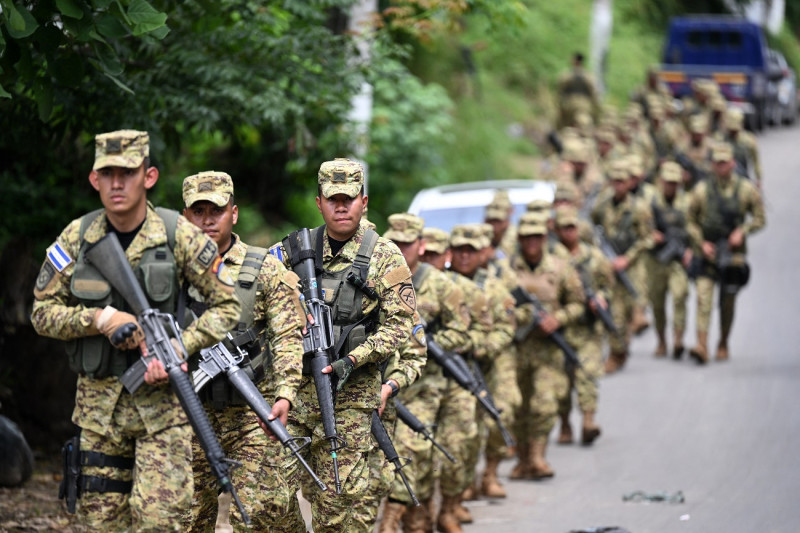
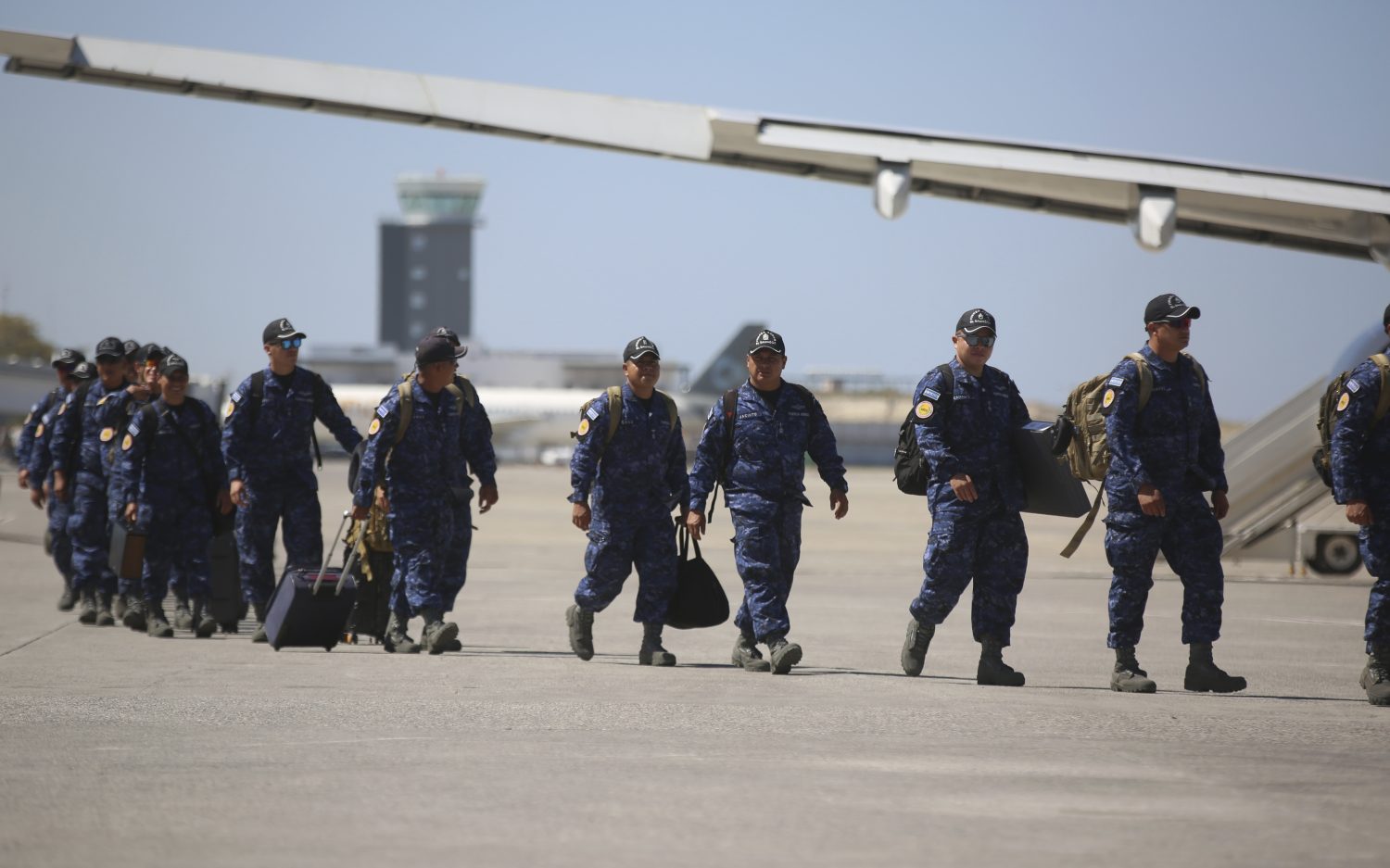
- President Nayib Bukele announced a large-scale operation; on October 28, 2026 El Salvador’s foreign ministry said more than 2,000 soldiers would be deployed to Haiti to rescue the missing personnel and support anti-gang security efforts.
- The same day Haiti’s Provisional Electoral Council moved the first round of presidential and legislative elections to July 18, 2027, with a second round on October 4, 2027.
Watch
Related reporting
brightcove
El Salvador’s Bukele threatens Haitian gangs over abducted soldiers
02
Background & Context
- Haiti has not held a presidential election since 2016; the presidency has been vacant since the 2021 assassination of President Jovenel Moïse. Transitional authorities have repeatedly postponed voting, citing gang-driven insecurity.
- Since 2024, UN-backed missions, including the GSF, have deployed multinational troops to assist Haitian police. By late 2026 the GSF fielded roughly 2,000 of its planned 5,500 personnel.
- El Salvador entered the GSF in 2024 with a modest contingent of technical staff; the October 18 ambush was the first lethal attack on GSF members.
Visual evidence
Images from the story


03
Data & Statistics
- Reported Salvadoran troop numbers vary: the foreign ministry cited “more than 2,000”; a Haitian security official said about 1,000 had arrived; local media counted roughly 450 special-forces personnel by October 25, 2026, with later estimates of about 1,300.
- The UN recorded over 5,700 people killed or injured in gang-related violence in Haiti between January and mid-September 2026.
- Human-rights monitors estimate 1.5 million Haitians displaced internally; 5.94 million face acute hunger, including 1.8 million in emergency conditions.
04
Official Statements & Responses
- A U.S. military official noted that U.S. Southern Command provided C-130 transport aircraft for the deployment.
- Doctors Without Borders warned that “roads and bridges are blocked, and any travel is extremely risky” and called for unhindered humanitarian access.
05
On-the-Ground Reports
- Doctors Without Borders treated 30 patients injured by gunfire or drone explosions between October 18 and October 26, 2026, noting delayed access due to blocked roads.
- Residents in Croix-des-Bouquets reported heavy gunfire and drone strikes around the search, expressing skepticism about another foreign intervention.
06
Conflicting Reports & Gaps
- Troop strength estimates differ: Salvadoran officials speak of “more than 2,000” soldiers, a Haitian source cited “about 1,000,” and observers counted 450–1,300 personnel on the ground.
- No gang has claimed responsibility for the October 18 ambush, and the whereabouts of the four technicians remain unverified.
- The command relationship between the Salvadoran contingent and the GSF has not been clarified.
07
Verbatim Quotes
- “This could help increase support for Bukele if this helps his narrative of being an anti-gang force in the region and delivering results,” — Maria Fernanda Arocha, ACLED analyst
- “There is still time to avoid this,” — Nayib Bukele
- “Roads and bridges are blocked, and any travel is extremely risky,” — Davina Hayles, Doctors Without Borders
08
What’s Next
- Haiti’s Provisional Electoral Council will publish the final candidate list by mid-January 2027 and close voter registration on May 20, 2027. The first round of elections is set for July 18, 2027, with a runoff on October 4, 2027.
- The Salvadoran government has indicated willingness to continue “supporting anti-gang security efforts” beyond the rescue mission, though no withdrawal timeline has been announced.