
Full Breakdown
Putin Hails Musk as “Genius” While Russia Rolls Out Its First Low-Orbit Satellite Network
By Drooid · · How we work
In this breakdown
01
Core Event: Putin Praises Musk and Highlights Russia’s Early Steps in Satellite Network (Oct. 28)
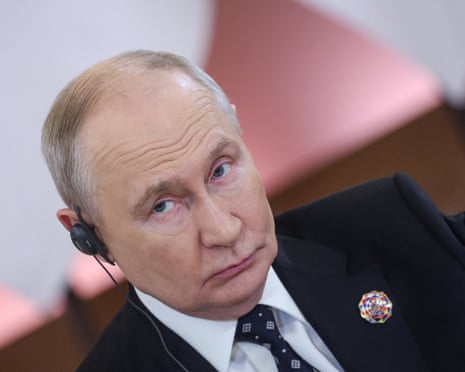
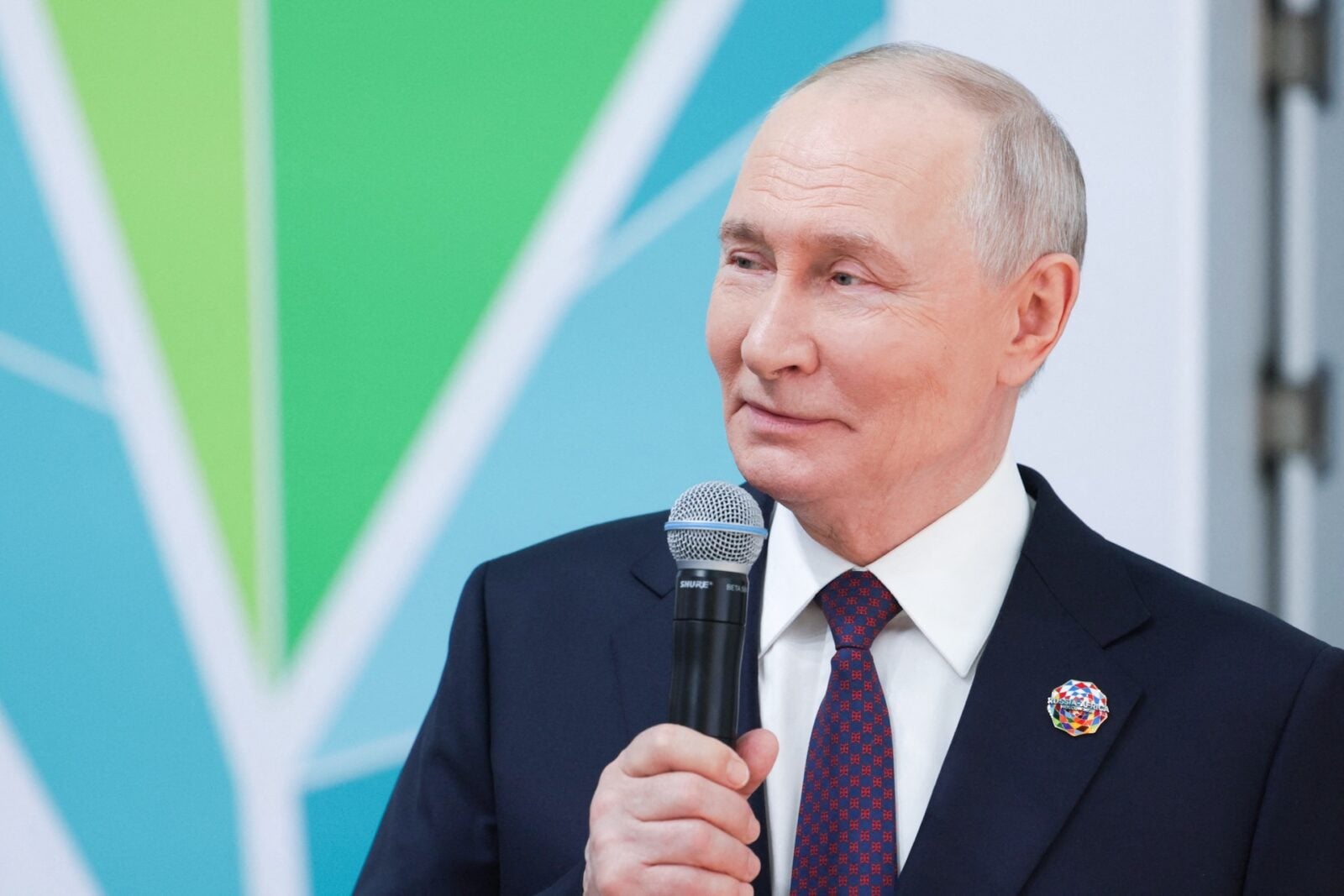
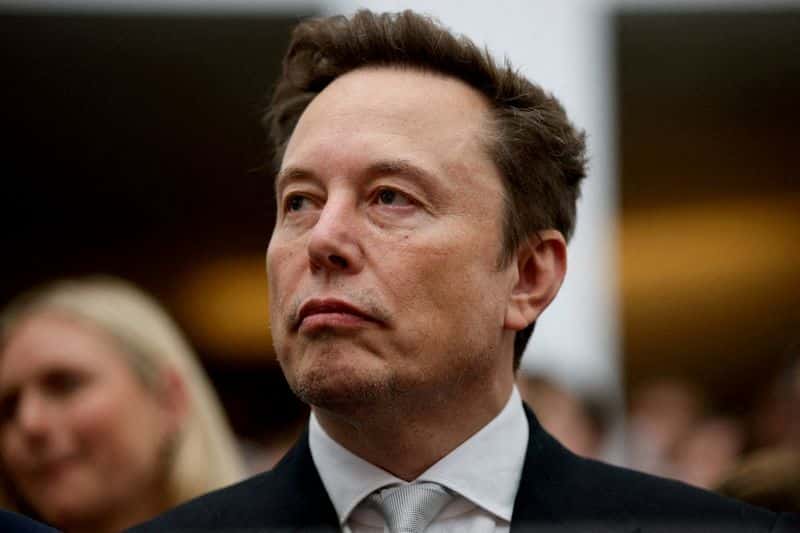
On Oct. 28, at the Russia-Africa summit in Moscow, President Vladimir Putin called Elon Musk “a genius, a real genius.” He said Russia is coordinating with U.S. partners, including Musk, to avoid orbital interference.
02
Background & Context: Starlink, Starshield, and Ukraine’s Reliance
SpaceX’s Starlink provides low-Earth-orbit broadband that Ukraine has used for battlefield communications, drone control and logistics. A military-grade variant, Starshield, was restricted in mid-October, slowing Ukrainian drone-intercept operations. Ukrainian officials accused Musk (and, separately, President Donald Trump) of ordering the slowdown, which Musk denied, saying he had closed a “loophole” that allowed military use of the civilian service.
Visual evidence
Images from the story




03
Data & Statistics: Satellite Constellations and Recent Military Activity
- Starlink satellites: Russian officials cited “more than 5,000” low-orbit satellites; independent trackers estimate close to 10,000.
- Rassvet satellites: Russian Digital Development Ministry reports “more than 30” satellites launched, with some sources noting 26 operational units.
- Collision-avoidance maneuvers: Starlink performed about 300,000 avoidance moves in 2025, sharing data with other operators.
- Russian missile strikes: Since mid-October, Russia has launched over 100 ballistic missiles toward Kyiv and surrounding areas, targeting power infrastructure ahead of winter.
04
Official Statements & Responses
- Putin framed Rassvet as a dual-use system intended for civilian and military use, with commercial operation projected for 2027.
- Shadayev: Presented Rassvet’s progress, noting the launch of “more than 30” satellites and emphasizing a shift from “quality to quantity.” He expressed hope that trilateral peace talks involving Ukraine, Russia and the United States would occur between 6 and 10 Nov. in Abu Dhabi.
05
Criticism & Opposition
Ukrainian President Volodymyr Zelenskyy accused Musk of deliberately throttling Starlink, saying the slowdown left Ukrainian forces “vulnerable to Russian attacks.” He also suggested President Trump may have pressured Musk. Musk denied ordering the restriction and placed responsibility on the U.S. military’s control of Starshield.
06
Conflicting Reports & Gaps
- Satellite count: Russian officials’ figure of “more than 5,000” Starlink satellites conflicts with independent tracking data indicating roughly 10,000 active satellites.
- Source of the slowdown: Ukrainian officials blame Musk (and possibly Trump), while Musk attributes any speed limits to U.S. military decisions. No definitive attribution has been confirmed by either the U.S. government or SpaceX.
- Operational status of Starshield: Some reports say the service was fully disabled for a night; others claim only reduced capacity. Ukraine now says the service is functional, but the timeline of restoration remains unclear.
07
What’s Next: Planned Peace Talks (Nov. 6-10)
Zelenskyy indicated that the United States is expected to provide answers after the U.S. midterm elections, with the proposed trilateral talks slated for early November in Abu Dhabi. The outcome could influence the future use of satellite communications in the conflict.