
Full Breakdown
King Charles III’s Caribbean Tour: Confronting Slavery’s Legacy and Climate Challenges
By Drooid · · How we work
In this breakdown
01
Core Event – Royal Tour and Slavery Acknowledgment
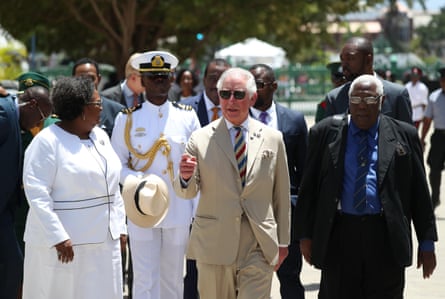
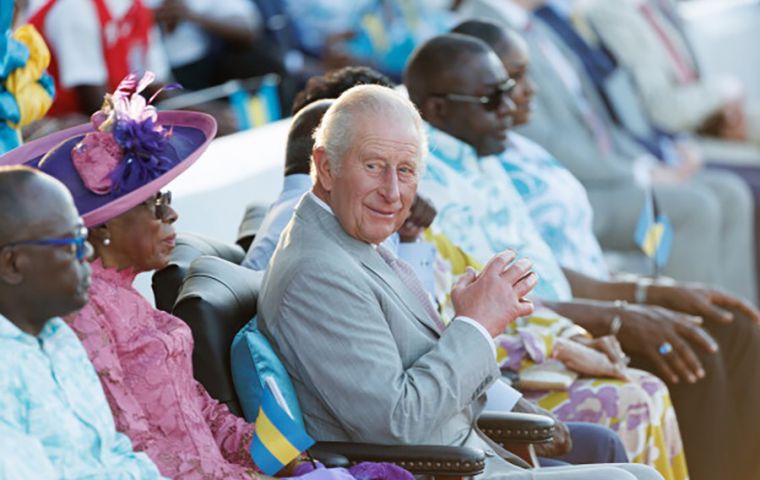
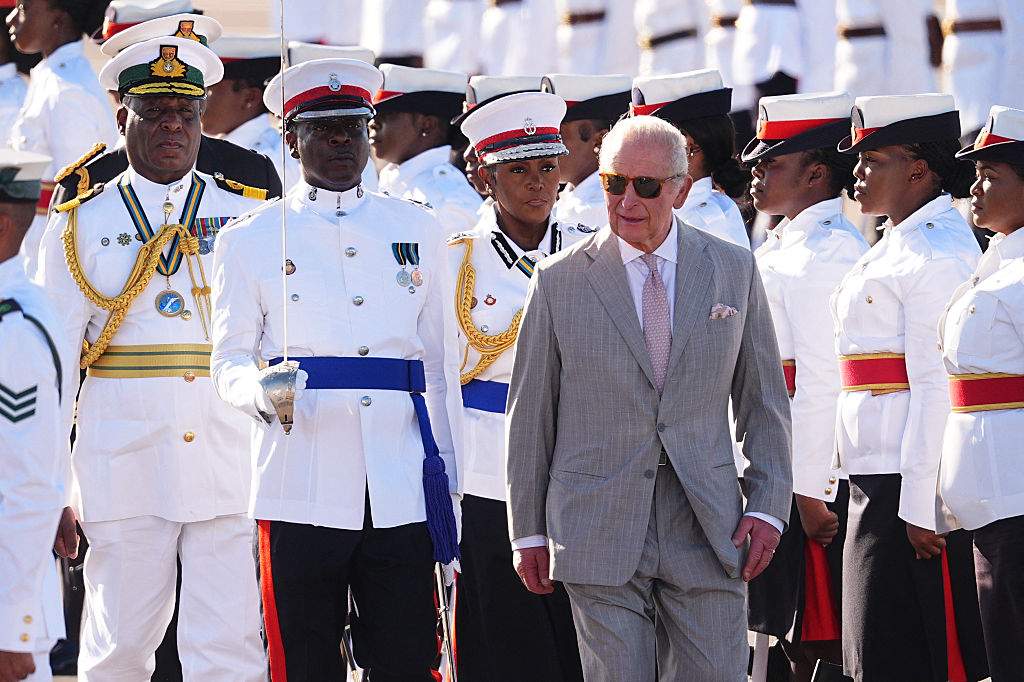
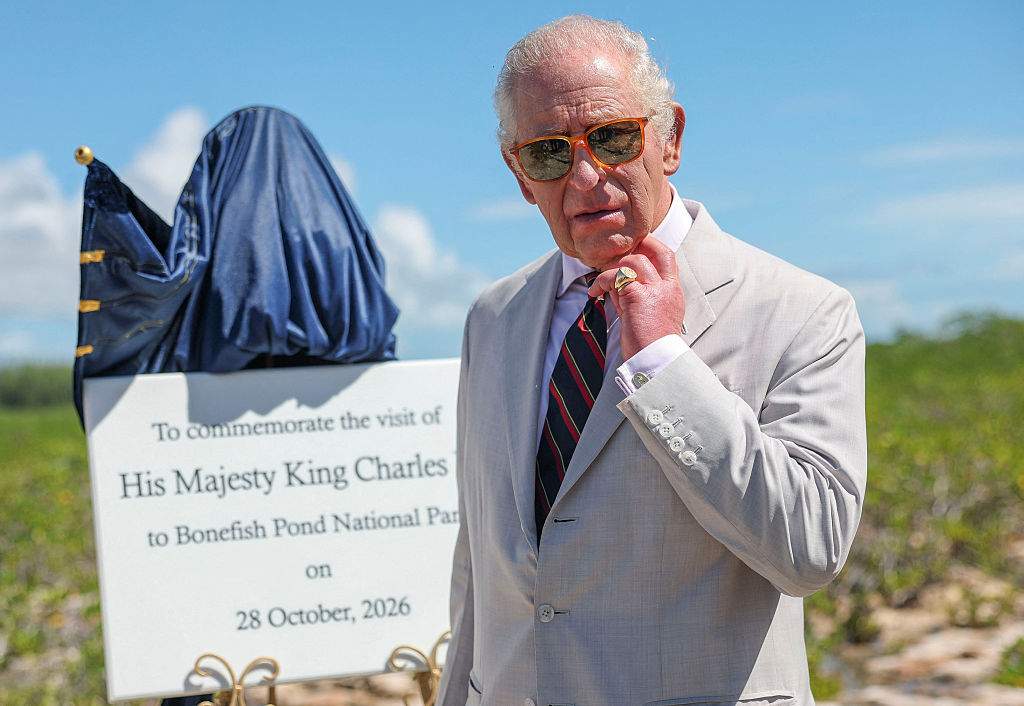
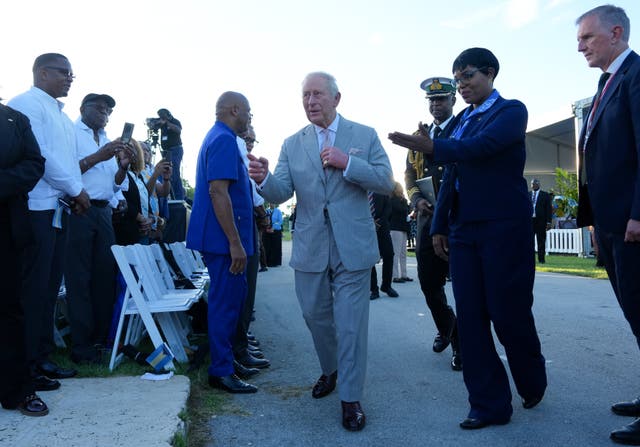
King Charles III arrived in Nassau, Bahamas on October 27 2026, beginning a nine-day visit to the Bahamas, Guyana and Antigua and Barbuda that will culminate in the Commonwealth Heads of Government Meeting (CHOGM) on November 1-4 2026. He confirmed that Commonwealth leaders will discuss the legacy of slavery at the summit.
Watch
Related reporting
ex
The King welcomes the Sultan of Oman to Windsor on state visit
brightcove
Jamaica to file slavery reparations petition during UK visit
02
Background & Context – Historical and Diplomatic Stakes
The trans-Atlantic slave trade, in which Britain transported an estimated 3.2 million Africans, remains a focal point of reparations demands from CARICOM, Ghana and Jamaica. Jamaica’s recent £10 billion petition to the UK Privy Council and CARICOM’s 10-point plan have heightened pressure on the British government, which maintains that slavery, while “a stain on history,” does not obligate financial reparations.
Visual evidence
Images from the story

03
Data & Statistics – Scope of the Slave Trade
- 12.5 million Africans were abducted between the 15th and 19th centuries.
- Britain’s share is estimated at 3.2 million people transported across the Atlantic.
04
Why It Matters – Implications for the Commonwealth and Climate Action
The tour links two urgent issues: historical justice and climate vulnerability. Low-lying islands such as the Bahamas have 90 percent of land below two metres, making sea-level rise a critical concern. Addressing reparations could reshape the Commonwealth’s relevance, while climate-resilience cooperation is essential for the region’s survival.
05
Official Statements & Responses
- “At the request of host governments, the King's programme will primarily focus on shining a light on the many modern partnerships and opportunities for the future that are having a transformative effect on the region, as it confronts the challenges of today.” — Buckingham Palace spokesperson
- Commonwealth Secretary-General Shirley Ayorkor Botchwey told Sky News that “it wouldn’t hurt” for the king to apologise and that “the time has come” to discuss reparations, noting that many affected nations are not polluters yet bear the brunt of climate impacts.
- Guyana’s President Mohamed Irfaan Ali called the king’s acknowledgment “the first step” and urged a formal apology as the next step.
06
Criticism & Opposition
- “The royal family and the British government were responsible for the darkness. His comments fall short of what justice requires – a full and formal apology – and they do not speak to the steps needed to remedy the wrongs committed in the name of the crown he wears.” — Dr Niambi Hall Campbell-Dean, committee chair
- Labour MP Bell Ribeiro-Addy argued that continued “platitudes” ignore the depth of the grievance and that the monarchy’s credibility is at stake.
07
Conflicting Reports & Gaps
The British government publicly rejects financial reparations, yet Caribbean leaders and civil-society groups assert that reparations are a matter of justice and expect the king to endorse them. No official agenda item on reparations has been confirmed for CHOGM, leaving a gap between regional expectations and the UK’s stated policy.
08
What’s Next – Upcoming Engagements
- October 29 2026 – The king travels to Guyana for a two-day state visit.
- October 30 2026 – He flies to Antigua and Barbuda for CHOGM, where leaders of the 56-member Commonwealth will meet from November 1-4 2026 to discuss climate resilience, trade and the legacy of slavery.