
Full Breakdown
UK Autumn Budget 2026: Relief Measures for Retail, Hospitality and Leisure Businesses
By Drooid · · How we work
In this breakdown
01
Core Event – Budget Relief Package Unveiled
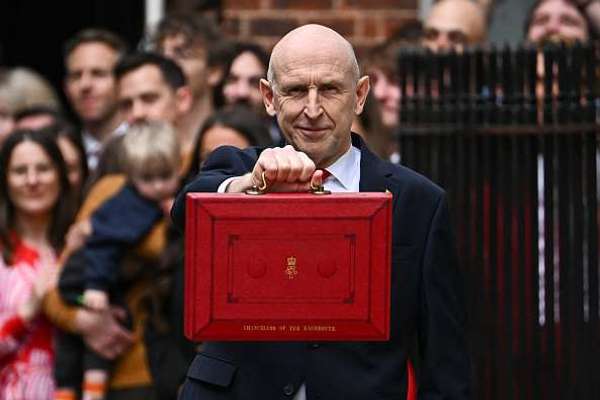
On October 28 2026 Chancellor John Healey delivered his first Autumn Budget, announcing an increase in the small-business rates relief threshold from £12,000 to £18,000. The change will exempt 70,000 retail, hospitality and leisure businesses from rates and freeze rates for the remaining firms for two years. The budget also raised the National Living Wage by 3.9 % to about £13.20 / hour and lifted the minimum wage for 18-20-year-olds to roughly £11.27 / hour. A 5-pence per litre fuel-duty cut was extended to July 2027, and a £2.6 billion Household Energy Payment will provide a one-off £100 payment to up to 20 million households.
02
Background & Context
The relief package follows two Labour budgets under Rachel Reeves that increased National Insurance contributions and business-rates burdens for many small firms. Industry groups warned those changes contributed to record-low retail employment (2.78 million in Q2 2026) and a 2.8 % fall in beauty-sector jobs in 2025. The new thresholds and wage hikes are presented as a “breathing space” for businesses still coping with rising rent, energy costs and supply-chain pressures.
Visual evidence
Images from the story




03
Data & Statistics
- Business-rates relief threshold: £12,000 -> £18,000 (effective 1 April 2027)
- Exempt businesses: 70,000 retail, hospitality and leisure premises (? ½ of sector)
- Rate freeze: Real-terms freeze for two years for firms above the threshold
- National Living Wage: 3.9 % rise to ~£13.20 / hour
- Minimum wage (18-20): 3.9 % rise to ~£11.27 / hour
- Fuel duty: 5 p/litre cut extended to July 2027
- Household Energy Payment: £100 one-off to up to 20 million households
- Retail employment: 2.78 million workers in Q2 2026, down 62,000 YoY
04
Official Statements & Responses
Healey linked the fuel-duty extension to “global economic storms,” notably the war in the Middle East, and highlighted the Household Energy Payment as a direct cash boost for households.
05
Criticism & Opposition
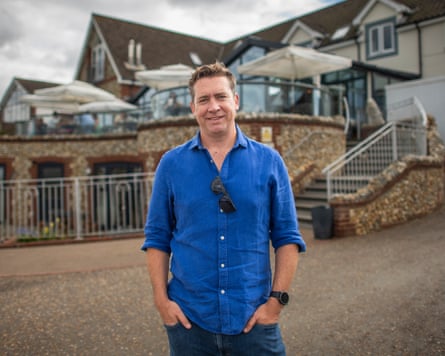
- Spencer Hannah, co-founder of Herdy, said the budget “lacked the seismic difference” needed for retailers, noting higher wages and supplier costs have forced him to source abroad.
- Henry Gregg, chief executive of the National Pharmacy Association, warned that extending rates relief to pharmacies is “grossly unfair” because GP and NHS dentist practices are exempt, and argued pharmacies cannot absorb the new wage costs.
06
Conflicting Reports & Gaps
- Wage figures: Healey’s speech quoted £13.20 / hour, while some outlets reported £13.21 / hour.
- Scope of relief for pharmacies: The budget applies the threshold increase to “retail, hospitality and leisure” businesses, but pharmacy leaders note uncertainty about eligibility.
- Eligibility of car dealerships: It remains unclear whether motor-vehicle dealers qualify, as detailed criteria have not been published.
07
Verbatim Quotes
- “It is like letting the tyres down and then handing you a pump,” — James Nye
- “It’s a bit ‘moving the deckchairs on the Titanic’ on rates.” — Richmond
08
What’s Next
The small-business rates relief threshold will rise on 1 April 2027. The government has signalled that 20 % of business-rates revenue will be transferred to local mayors from next year, with full local retention targeted by the end of the decade. Further guidance on eligibility for pharmacies and motor-dealerships is expected in forthcoming Treasury guidance.