
Full Breakdown
North Korean Forced-Labor Network Fuels Russia’s War Production
By Drooid · · How we work
In this breakdown
01
Core Event
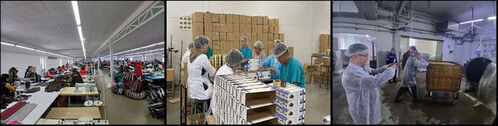
A investigation by the Hague-based human-rights group Global Rights Compliance (GRC) uncovered a Russian-run brokerage network that brings North Korean nationals to Russia on student visas, then assigns them to factories producing military rations and other war-related goods. Workers endure 12-hour shifts with only two days off per month, are monitored by North Korean embassy officials, and surrender the vast majority of their wages to the North Korean state. The operation violates United Nations Security Council resolutions that ban the overseas employment of North Korean laborers.
02
Background & Context
Since the United Nations adopted a 2017 resolution prohibiting the hiring of North Korean workers abroad, member states have been required to repatriate such laborers. Russia and China have been accused of non-compliance. After Russia’s invasion of Ukraine in February 2022, Pyongyang deepened its partnership with Moscow, supplying weapons and, since 2024, more than 10,000 troops. The two countries signed a strategic partnership treaty in June 2024 that includes mutual defence commitments and cooperation in industrial production and finance.
Visual evidence
Images from the story

03
Data & Statistics
- Brokers receive commissions of 100,000–150,000 roubles (? $1,765–$2,650) per worker.
- GRC estimates overseas North Korean labor generates $450 million–$800 million in revenue for the regime.
- Workers reportedly earn as little as $10 per month, with up to 90 percent of earnings diverted to the North Korean government.
04
Official Statements & Responses
- Russia’s foreign ministry and the North Korean embassy in Moscow declined to comment.
- A broker associated with the scheme called the placements “academic scholarships” and said allegations of forced labour were “unsubstantiated.”
05
Verbatim Quotes
- “These workers do not come cheap, yet little, if any, of the money paid for their labor reaches them,” — Dylan Carter
06
Conflicting Reports & Gaps
- Worker numbers vary: South Korean intelligence estimates more than 10,000 North Korean troops in Ukraine since 2024, while the Multilateral Sanctions Monitoring Team cites 35,000–101,000 North Korean workers abroad overall.
- Revenue estimates overlap: GRC cites $450 million–$800 million in annual earnings from overseas labor; the monitoring team reports a similar range for funds directed to the nuclear program.
- The extent of Russian companies’ involvement remains unclear; GRC documented placements at a military-ration factory and an aluminium plant, but the full list of participating firms is not disclosed.
07
Why It Matters
The network supplies Russia with a controlled workforce to sustain production of military supplies amid labor shortages, while funneling foreign currency to North Korea’s weapons programs. By using student-visa loopholes, the arrangement undermines UN sanctions and raises human-rights concerns over forced labour and exploitation.
08
What’s Next
The European Union has added Vladimir Sokolov to its sanctions list, freezing his assets and banning travel to the bloc. GRC’s report, first publicized on October 28, may prompt further investigations by UN monitoring bodies and could lead to additional diplomatic pressure on both Moscow and Pyongyang to enforce the 2017 sanctions regime.