
Full Breakdown
Queen of Spain Butterfly Surge Sparks Debate Over Native Status in Britain
By Drooid · · How we work
In this breakdown
01
Unprecedented Influx and Breeding Success
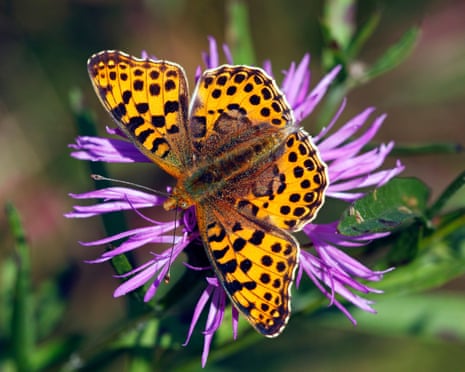
This summer, the golden-coloured “Queen of Spain” butterfly has arrived in Britain in numbers far exceeding the handful of sightings typical each year. Migrants have come from France and Spain to the south coast and from the Netherlands to East Anglia. The influx has been large enough that the insects have bred locally, and British-born offspring were observed this autumn. Recent observations recorded hundreds of individuals along the Thames at East Tilbury and Linford in Essex.
02
Historical Context of UK Appearances
The species is a regular migrant across continental Europe, but successful overwintering in the UK is rare. Records indicate only two prior instances in the last three decades: a small population persisted at Minsmere in Suffolk during the 1990s, and another near Chichester around 2010. Those events did not lead to permanent establishment.
Visual evidence
Images from the story
03
Expert Assessment and Potential Establishment
He argues that the sheer volume of arrivals this year raises the likelihood that some individuals will survive to the next spring. While he cautions that repeated arrivals are needed for a stable population, he suggests the species could gain a foothold with regular “top-ups” from continental Europe. Hulme also notes that planting wild and field pansies—the caterpillar’s preferred food plant—could support further breeding.
04
Conservation Implications and Public Involvement
If the trend continues, the Queen of Spain might join Britain’s list of native butterflies as its 61st native species. Conservationists and butterfly enthusiasts are therefore encouraged to cultivate suitable host plants in gardens and public green spaces to facilitate the species’ potential establishment. The situation illustrates how climate-driven range expansions can challenge traditional notions of native biodiversity.