
Full Breakdown
Trump, Netanyahu, and the Quest for an Israeli Unity Government
By Drooid · · How we work
In this breakdown
01
Core Event: Post-Election Deadlock and U.S. Interest
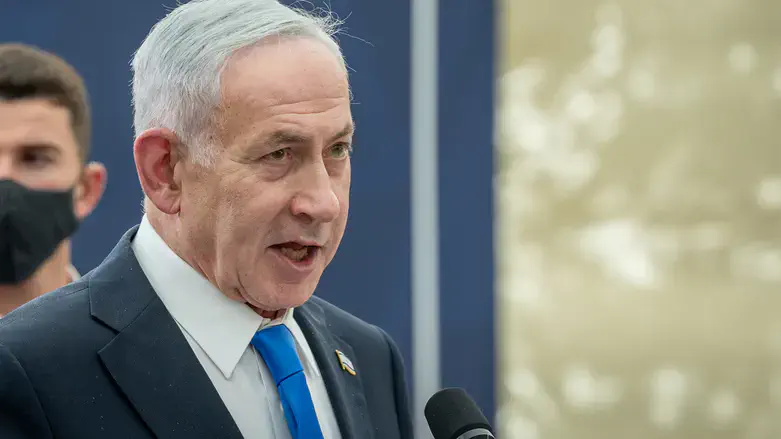
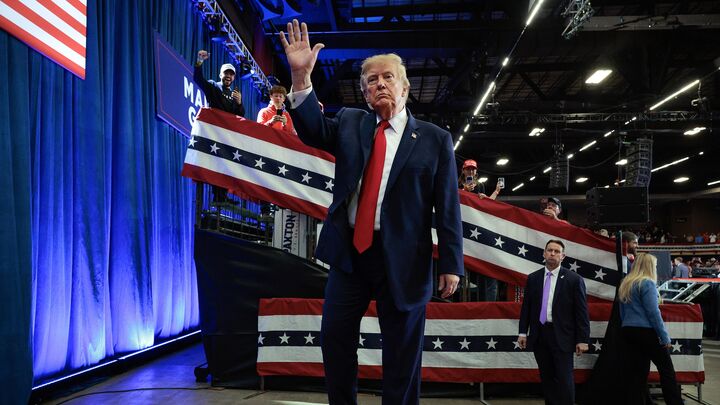
Israel’s October 2026 parliamentary election produced a fragmented Knesset in which neither Prime Minister Benjamin Netanyahu’s right-wing bloc nor the opposition bloc led by Yashar party chairman Gadi Eisenkot reached the 61 seats required for a governing majority. President Donald Trump said he would “take a look” at helping Netanyahu form a unity government, while also indicating a preference that the far-right ministers Itamar Ben-Gvir and Bezalel Smotrich be excluded from any coalition.
02
Background & Context
The vote was the first national election since the October 2023 Hamas attacks and recorded the highest voter turnout in nearly three decades. Netanyahu’s Likud party remains the largest single faction, but the proliferation of smaller parties has revived the historic need for coalition bargaining. President Isaac Herzog, as the constitutional arbiter, can assign the mandate to form a government to any Knesset member who appears capable of assembling a majority.
Visual evidence
Images from the story

03
Timeline
- October 22 2026 – Gadi Eisenkot visited the Western Wall days before the election.
- Election night – Exit polls showed Netanyahu’s bloc at 54 seats and the opposition bloc at 49 seats; neither reached 61.
- Following day – Trump was asked by Axios whether he would intervene and said he would “take a look.”
- Subsequent days – Israeli sources reported that Netanyahu’s team discussed a unity arrangement with Eisenkot, including a possible premiership rotation.
- October 28 2026 – Bezalel Smotrich held a rally at his party’s election headquarters in Jerusalem.
04
Official Statements & Responses
President Trump expressed willingness to consider assistance in forming a stable Israeli government and objected to the inclusion of Ben-Gvir and Smotrich, linking their presence to concerns about settler violence.
Netanyahu told U.S. and European officials that a partnership with Eisenkot could produce a more moderate coalition and that Eisenkot would be a suitable partner if hostilities with Iran resumed.
Eisenkot has publicly pledged not to join a government led by Netanyahu, though Israeli sources close to Netanyahu claim he might be persuaded by a rotation agreement that would see Netanyahu serve as prime minister for the first two years.
Ben-Gvir accused Likud of working to weaken his party ahead of the election and alleged that the prime minister’s office had promised European partners a unity government that would exclude him.
05
Criticism & Opposition
Ben-Gvir’s criticism represents the most explicit opposition to the proposed unity arrangement, arguing that Likud’s maneuvers aim to push his party below the electoral threshold.
06
Conflicting Reports & Gaps
Sources differ on the level of U.S. involvement: some reports state that Trump is receptive and personally interested in a quick resolution, while others note that the Trump administration is divided, with officials skeptical of Netanyahu’s reliability. Additionally, while Eisenkot’s public refusal to join a Netanyahu government is documented, insiders suggest he may be open to a rotation deal, creating uncertainty about his actual willingness to negotiate.
07
What’s Next
Negotiations are expected to continue over the coming weeks as Israeli parties assess possible coalition configurations. President Herzog will decide which leader receives the formal mandate to form a government. If a unity agreement is reached, it could involve a premiership rotation between Netanyahu and Eisenkot and the exclusion of Ben-Gvir and Smotrich; otherwise, Netanyahu could remain caretaker prime minister and a new election might be called.