
Full Breakdown
Trump Administration’s Legal and Administrative Push Ahead of the 2026 Midterms
By Drooid · · How we work
In this breakdown
01
Core Event: Federal Legal Actions Targeting Election Outcomes
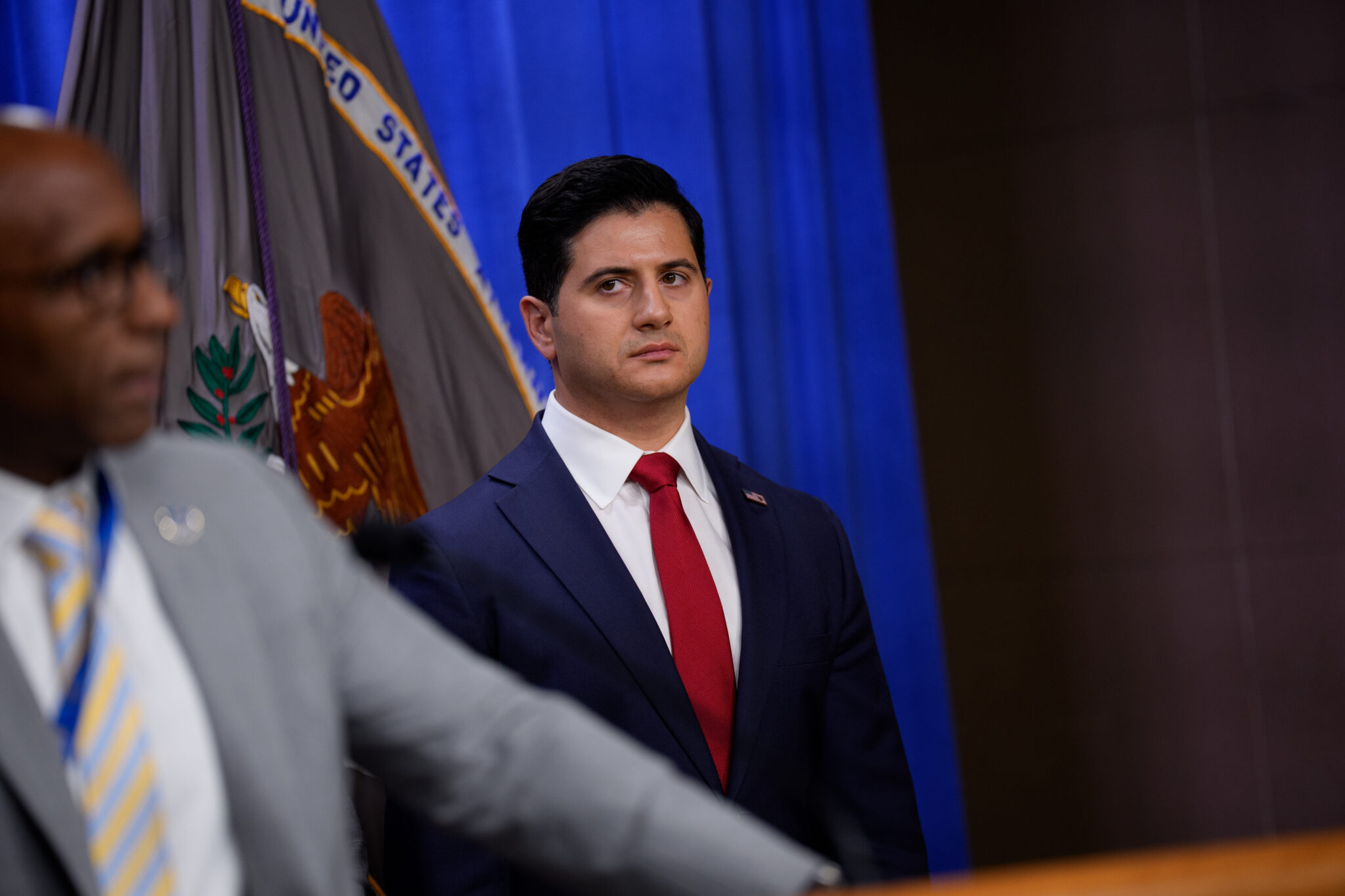
In the weeks before the November 3 midterm elections, the Justice Department filed lawsuits to block or delay certification in key races. A suit in Alaska seeks to withhold certification of the U.S. Senate race if incumbent Republican Dan Sullivan loses, citing potential voter confusion from a same-name candidate. Similar actions were taken in California, where the DOJ demanded the state set aside roughly 20,000 ballots it claimed belong to non-citizens, and in Washington, where it asked the state to remove about 400 voters it alleges are non-citizens. The administration also announced a $1 million bounty for information leading to a conviction for voter fraud.
Watch
Related reporting
cbsnews
Video: Durbin worried Trump administration might interfere in 2026 midterm elections
02
Background & Context
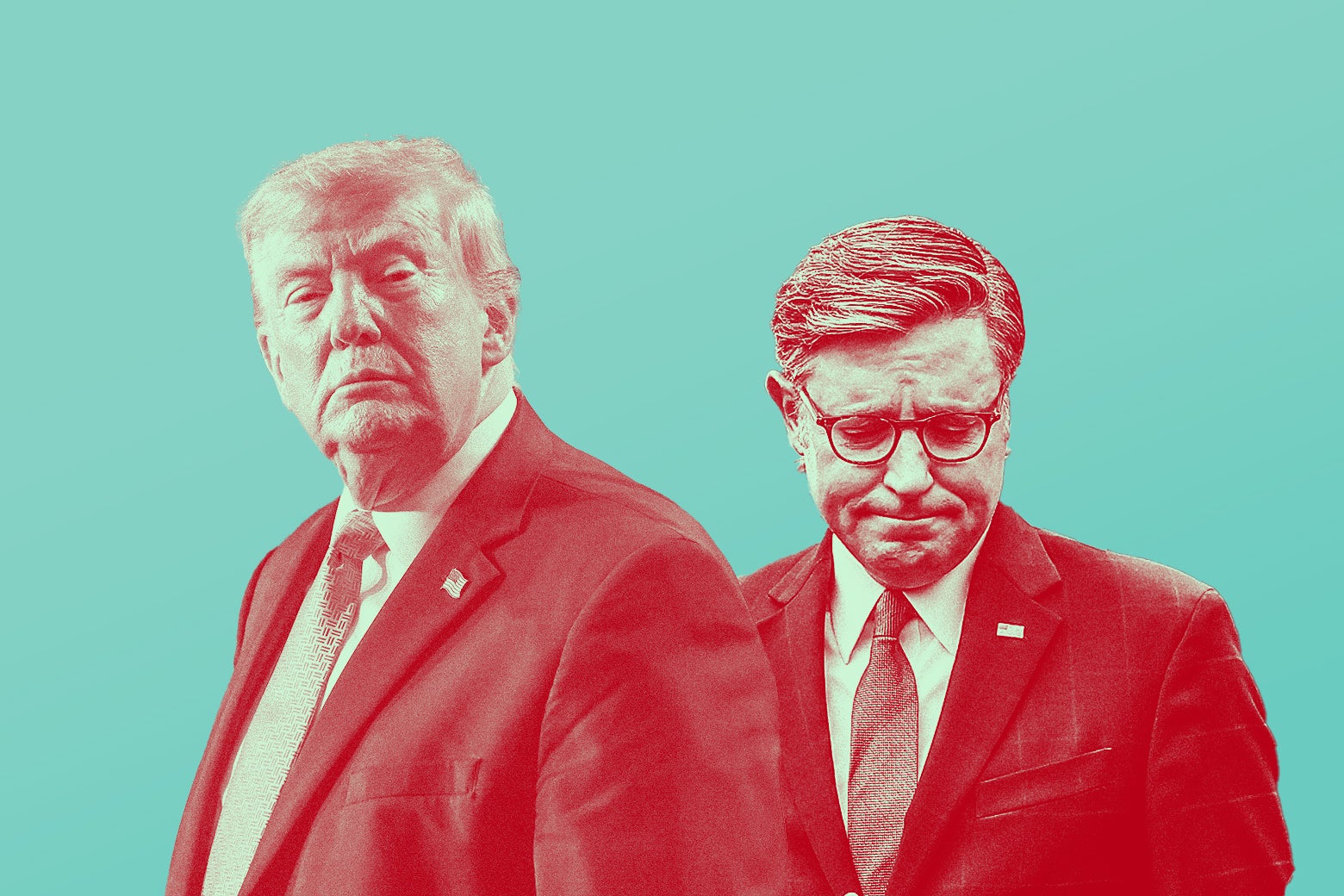
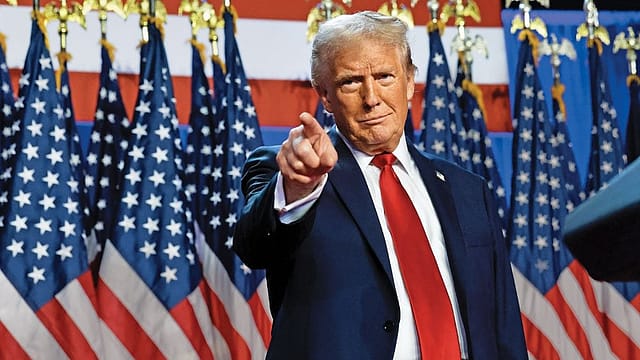
President Donald Trump has repeatedly asserted that elections are “rigged” and offered $1 million rewards for fraud tips. After a July speech declaring a “crisis of election security,” he urged supporters at a September Republican convention to “try and cheat like hell.” Legal scholars note that the Constitution assigns election administration to the states, limiting presidential authority to intervene.
Visual evidence
Images from the story




03
Data & Statistics
- The University of Florida’s Election Lab reports more than 34 million voters have already cast ballots, with about 35 million voting early.
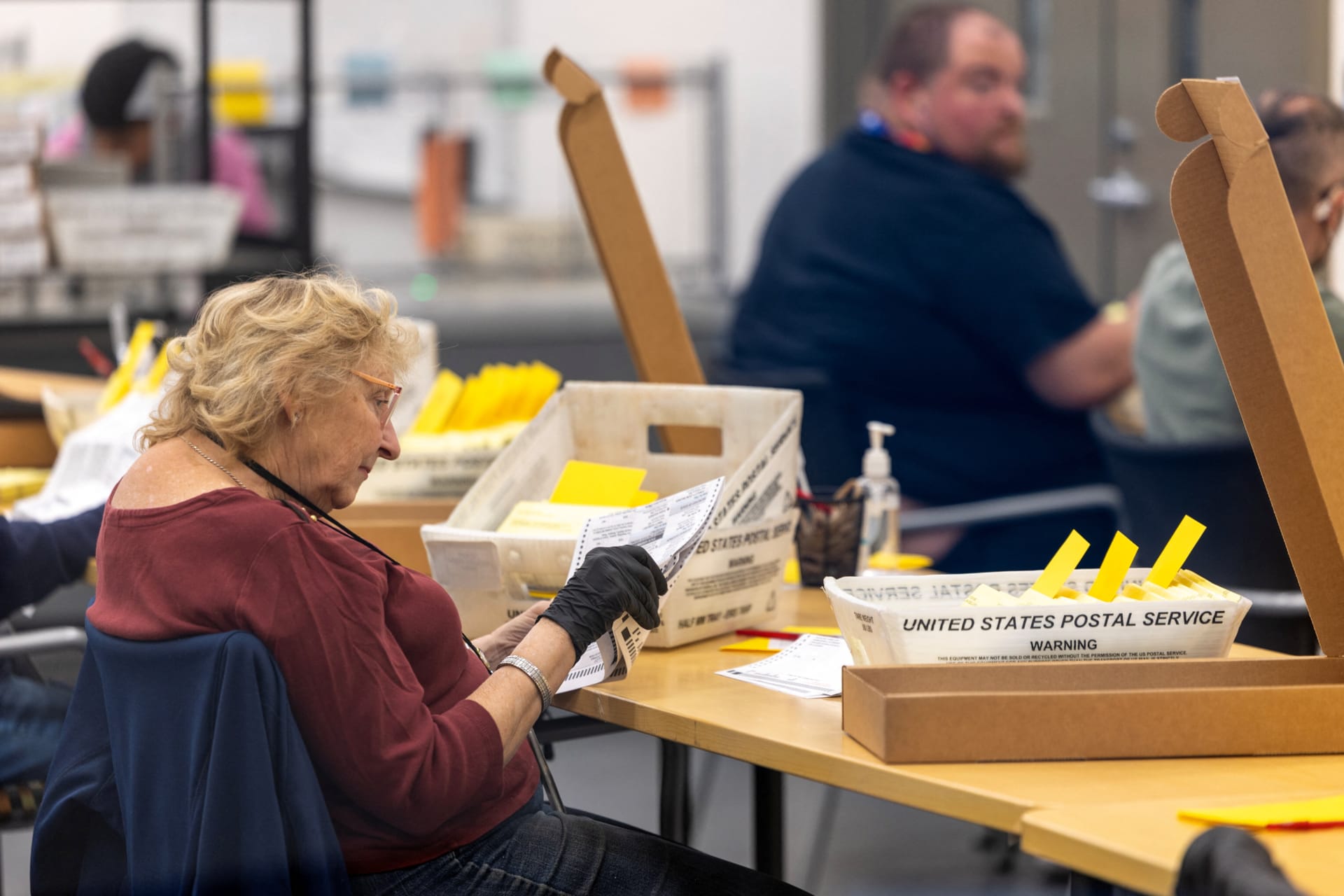
- Approximately 60 million mail-ballot requests have been filed this year, nearly 2 million more than in the 2022 midterms; 16.6 million have been returned so far.
- The DOJ’s non-citizen voter lists have varied dramatically: an initial claim of 20,000 in California was later revised to 185 after state review.
- A federal judge in California halted DOJ investigations in nine states, citing faulty data.
04
Official Statements & Responses
“We are not doing anything improper,” — General Todd Blanche, attorney
Georgia Secretary of State Brad Raffensperger said early voting is proceeding smoothly and officials are sharing best practices for the 12-hour polling window on Election Day.
Massachusetts Secretary of State Bill Galvin warned courts will not tolerate federal overreach into state election administration.
Washington Secretary of State Steve Hobbs called the DOJ’s request to purge 400 voters “unfounded” and emphasized that voter-fraud cases are “incredibly rare.”
05
Criticism & Opposition
“The courts are likely to throw most, if not all, of these charges out,” — Matt Dallek, Georgetown political scientist
Pat McCrory, former North Carolina governor, argued that “the only thing that protects us from anarchy is this thin piece of paper called the Constitution.”
“For at least the last year and a half, they've been laying that groundwork,” — Theresa Lee, senior attorney with the ACLU
06
Conflicting Reports & Gaps
The DOJ’s claim of 20,000 non-citizen voters in California was reduced to 185 after state verification, illustrating a stark discrepancy between federal assertions and state findings. A federal judge in California also blocked the DOJ’s attempt to force the state to segregate thousands of mail ballots, citing insufficient evidence. In Washington, the DOJ’s five-day deadline for a response was deemed unworkable by state officials. No public data yet confirm whether the Alaska lawsuit will proceed to block certification.
07
What’s Next
The DOJ has indicated it will continue to pursue “emergency relief” in states that have not yet responded to its letters, and the Alaska lawsuit remains pending. Election officials in multiple battleground states have deployed additional observers and legal teams to monitor ballot counting and certification. Courts are expected to hear further challenges in the coming weeks, and the outcome could shape the final certification of Senate and House races after the November 3 vote.