
Full Breakdown
Federal Judge Rejects DOJ Attempt to Block 20,000 California Mail Ballots
By Drooid · · How we work
In this breakdown
01
Core Legal Battle Over Mail Ballots
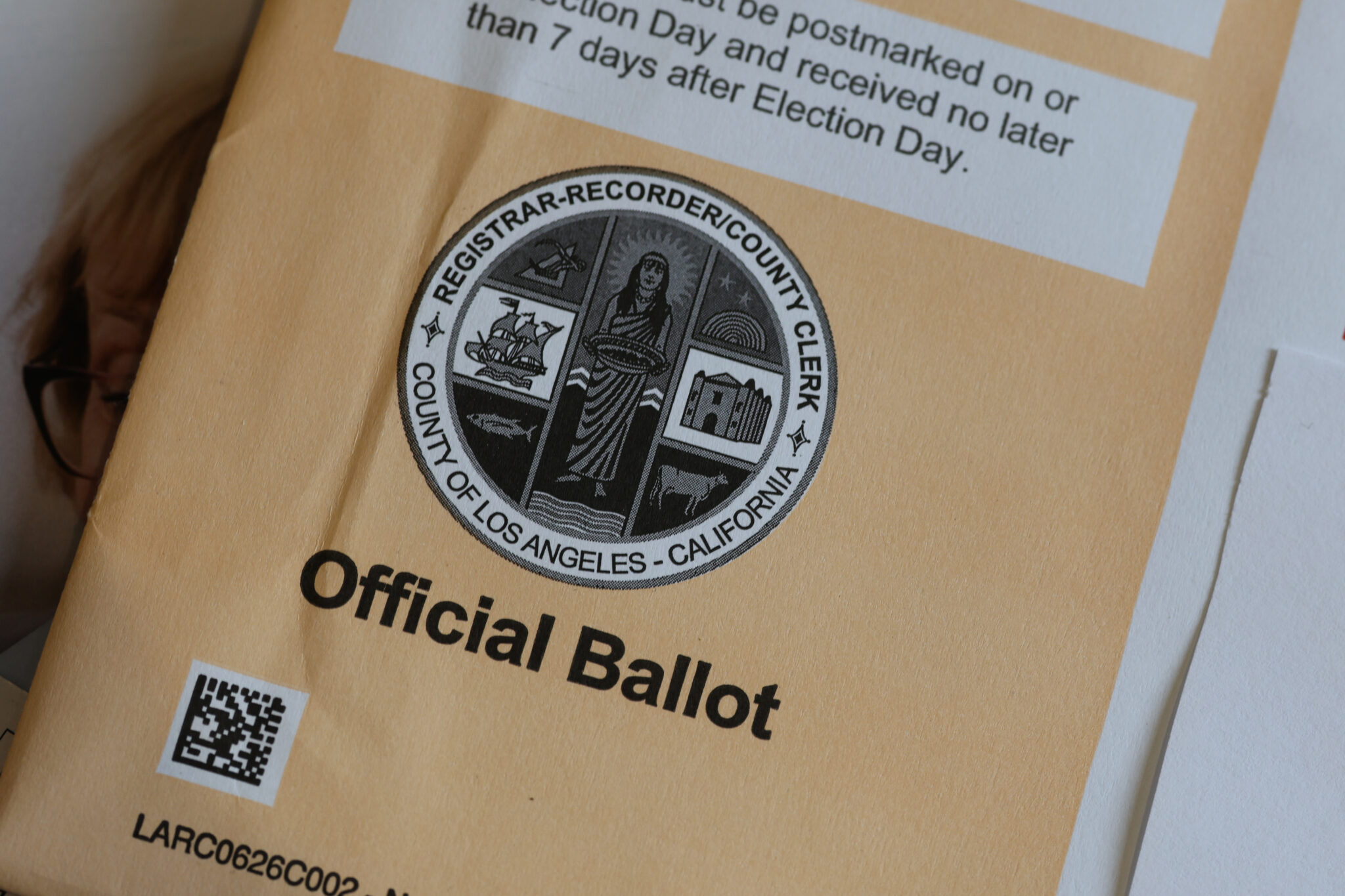
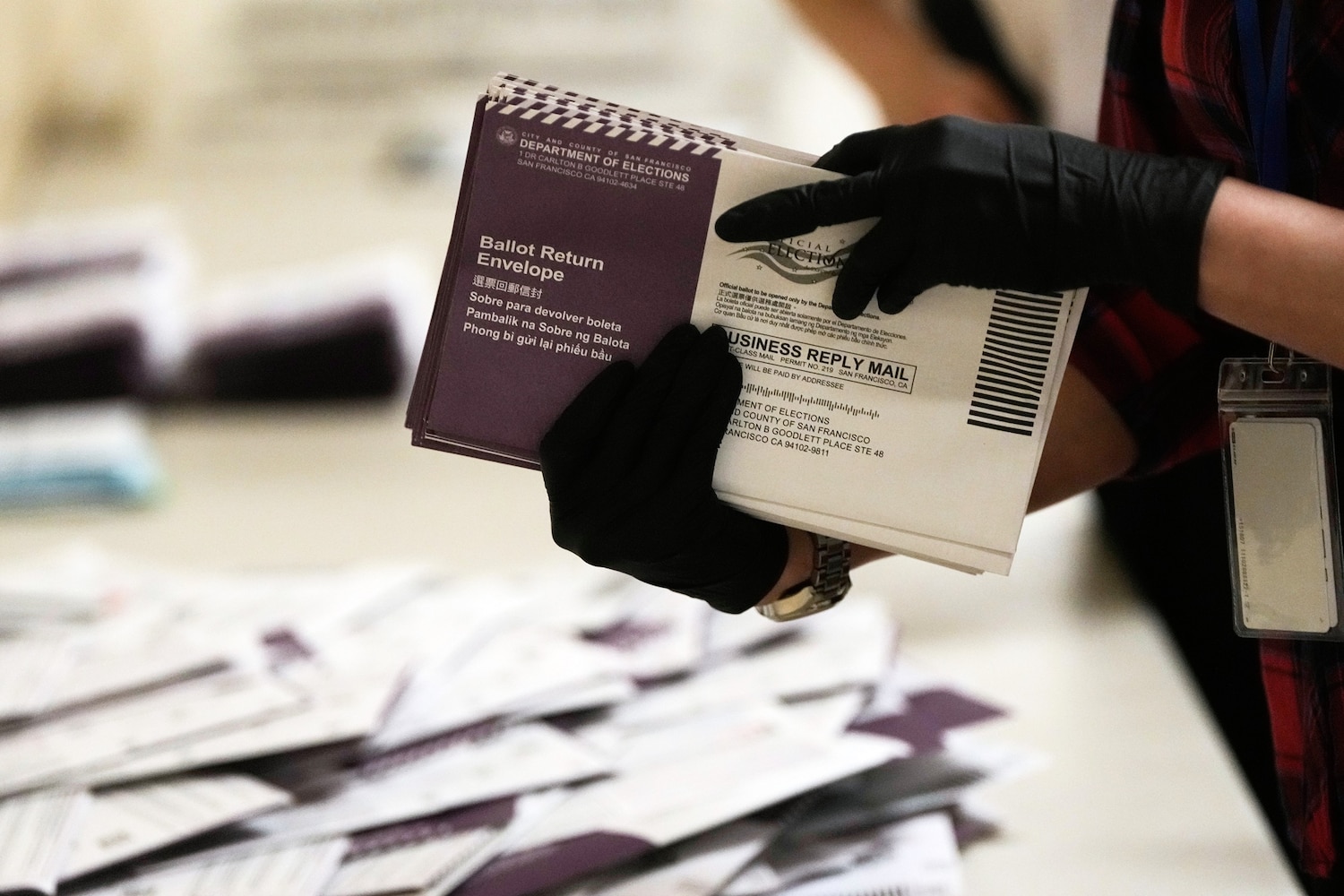
On October 28, 2026, U.S. District Judge David O. Carter denied the Justice Department’s request for a temporary restraining order that would have forced California to set aside roughly 20,000 mail-in ballots the administration alleges were cast by likely non-citizens. The suit, filed on October 15, sought an emergency injunction to halt counting before the November 3 midterm elections. The judge found the government’s allegations “not credible” and warned the relief would “wreak havoc” on an election already underway.
Watch
Related reporting
cbsnews
Video: Breaking down the legal battle over California's election process
ddhq
What to know about Flydubai cockpit clash as pilot is arrested
ddhq
What to know about Flydubai cockpit clash as pilot is arrested
02
Background: Federal Push and State Resistance
President Donald Trump has made California a focal point of his immigration-related election strategy, accusing the “sanctuary state” of allowing illegal voting. Similar DOJ filings have targeted Alaska and Washington. In California, the Justice Department delivered a thumb-drive containing the 20,000-name list to state officials and gave them 48 hours to act, a deadline the state rejected as impossible.
Visual evidence
Images from the story


03
Data and Numbers
- 20,000 voters flagged as “likely non-citizens.”
- 23 million registered voters in California (Dec 2025).
- 3.7 million Californians had already voted by the time of the ruling; over 500,000 mail ballots had been processed.
- DHS earlier claimed up to 190,000 California voters “may be” non-citizens, but offered no methodology.
- In Nevada, a similar DOJ list was reduced from 15,903 to 185 after manual review, all confirmed citizens.
04
Official Statements & Responses
Justice Department First Assistant U.S. Attorney Bill Essayli called the ruling an “ongoing emergency” that “disenfranchises American citizens through dilution” and announced an immediate appeal to the Ninth Circuit.
The Ninth Circuit panel (Judges Mark Bennett and Gabriel Sanchez) dismissed the DOJ’s emergency appeal, noting the department had created its own “self-constructed” emergency by filing late.
05
Criticism & Opposition
State officials and voting-rights groups argue the DOJ’s data are unreliable and that the lawsuit threatens thousands of legitimate voters. Los Angeles County attorneys highlighted a sample of 200 names that included many inactive or nonexistent registrations. Santa Clara County Executive James Williams said the list contained “duplicates” and “unsupported allegations.”
06
Conflicting Reports & Gaps
The Justice Department asserts the list contains “over 20,000” likely non-citizens, yet DHS’s earlier estimate of 190,000 potential non-citizens lacks detail. Court filings reveal the DOJ has not disclosed its methodology, and a California-led review found a “high percentage” of U.S.-born individuals among the flagged names.
07
Verbatim Quotes
- “Never before in American history has the federal government, on the eve of an election, sought to coerce a state and local government to abandon their own Constitutional elections procedures and bend to the will of the Executive Branch.” — David Carter
- “A ballot segregated, in effect, would be a ballot removed,” — David Carter
- “The Government’s Application for Temporary Restraining Order is DENIED.” — David Carter
08
What’s Next
The Justice Department’s appeal to the Ninth Circuit is pending; the appellate court may consider a full panel review or another emergency request. California must continue processing mail ballots ahead of its certification deadline, with more than half a million ballots already in the system. The outcome will shape how far the federal government can intervene in state-run elections on the eve of a national vote.