
Full Breakdown
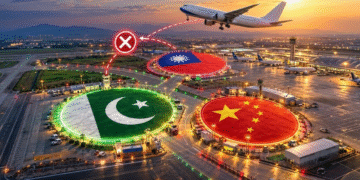
Pakistan’s One-China Airspace Ban and Its Ripple Effects
By Drooid · · How we work
In this breakdown
01
Background & Context
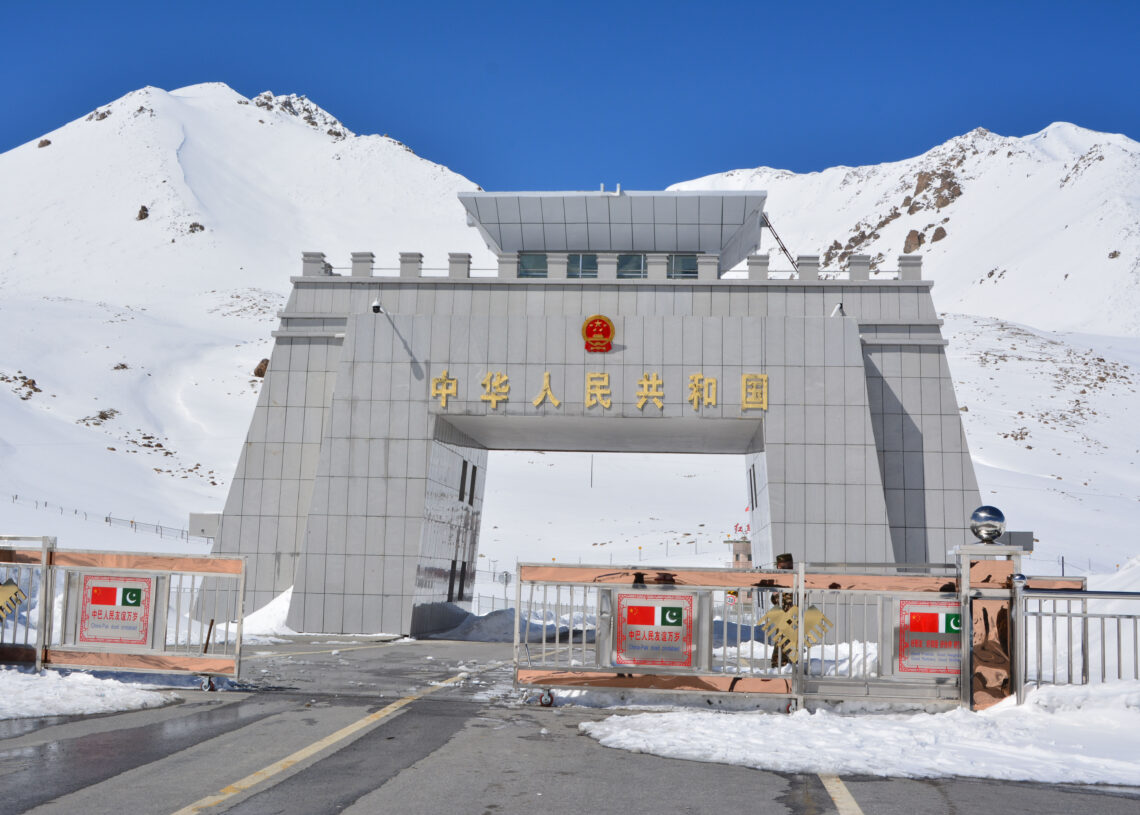
Pakistan has adhered to Beijing’s “One-China” policy since severing diplomatic ties with Taiwan in 1951. Under the Belt and Road Initiative, China became Pakistan’s largest arms supplier and a major investor in projects such as the China-Pakistan Economic Corridor (CPEC). Within this framework, Pakistan’s aviation authority announced that its airspace would be open only to airlines of the People’s Republic of China.
02
Timeline of Events
- January 3 – Pakistan’s foreign office spokesperson reaffirmed the One-China principle, describing Taiwan as an “inalienable part of China.”
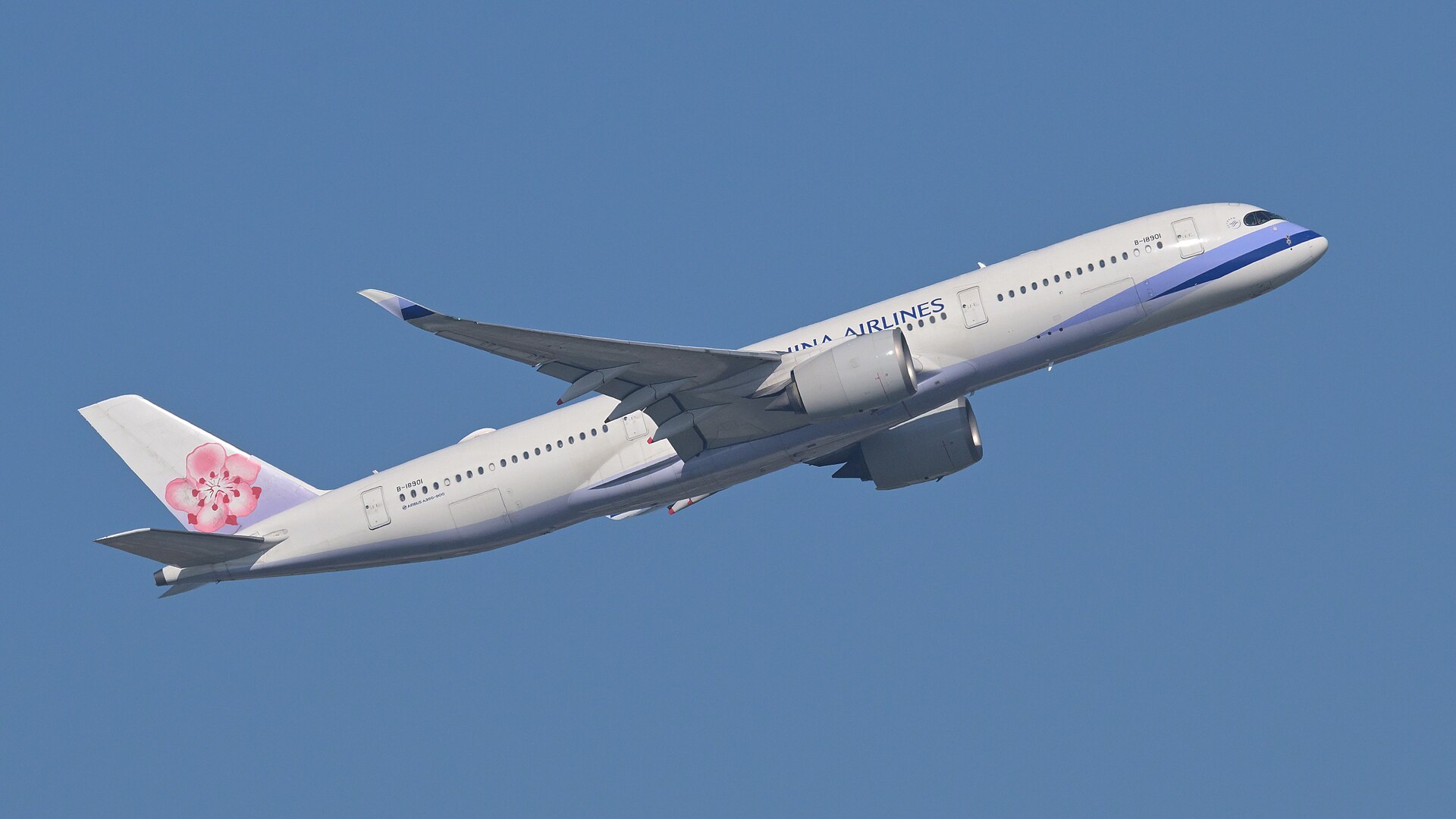
- October 25, 2026 – Flight-tracking data show China Airlines and EVA Air ceased overflying Pakistan, rerouting at least a dozen Asia-Europe flights over Russian airspace.
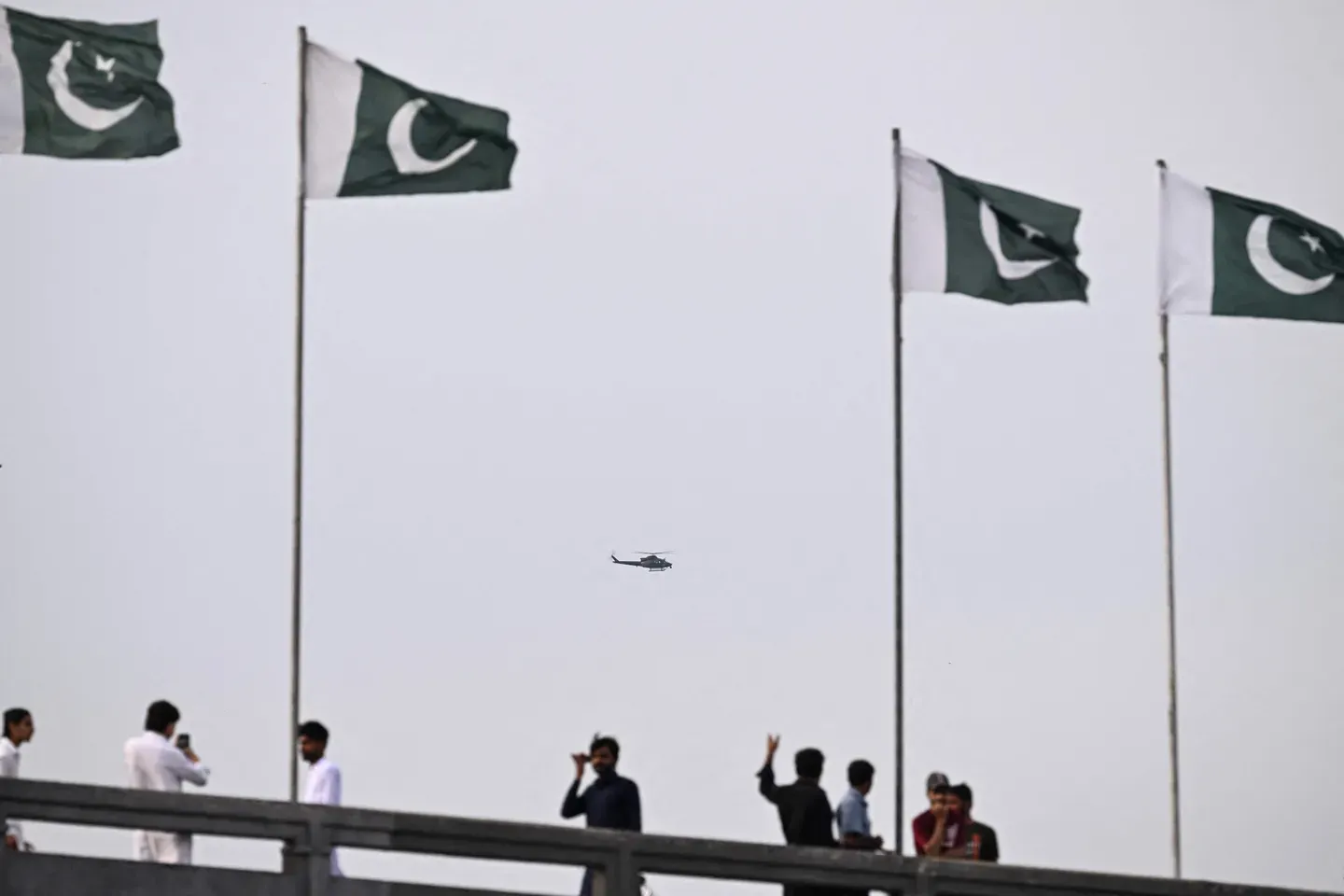
- October 28, 2026 – Bloomberg reported Defence Minister Khawaja Asif said Pakistan had closed its airspace to Taiwanese carriers in line with the One-China policy.
- October 28, 2026 – Pakistan’s Civil Aviation Authority issued documents approving EVA Air and China Airlines to use Pakistani airspace through March 27, 2027.
- October 29, 2026 – The first Taiwanese commercial aircraft (EVA Air Flight 65) flew over Pakistan following the policy reversal.
Visual evidence
Images from the story



03
Data & Statistics
- After the October 25 restriction, at least twelve flights by the two carriers were rerouted over Russian airspace.
- The detour added several hours to Europe-bound trips and increased fuel consumption; exact mileage figures were not disclosed.
- Permit documents authorize EVA Air and China Airlines to overfly Pakistan for a period of five months (Oct 28 2026 – Mar 27 2027).
04
Impact on Airline Routing
The loss of the southerly corridor forced the carriers to adopt a northern “Polar Route” across Russia, a path they had avoided since the February 2022 invasion of Ukraine. This shift provided the only viable alternative to longer South-Asian and Middle-East tracks, extending flight times and operating costs. The routing change coincided with an expansion of European services by both airlines and by Starlux Airlines, heightening the operational significance of the Pakistani airspace decision.
05
Criticism & Opposition
Deputy Foreign Minister Chen Ming-chi accused Pakistan of weaponizing airspace, saying, “We condemn Pakistan, and if China is behind this, I think that is a very bad practice to use its leverage over the countries in the Global South to do that.” He warned the episode could set a precedent for other Global South nations. Executive Yuan spokesperson Lee similarly criticized the move as a politicization of airspace that jeopardizes passenger safety.
06
Conflicting Reports & Gaps
Initial Bloomberg coverage described the ban as a definitive closure, while later AP and Dawn-cited documents indicated that Pakistan promptly reinstated overflight permissions without issuing a formal notice of the ban. Taiwan’s Civil Aviation Administration did not comment, and Chinese officials offered no evidence linking Beijing to the decision. The precise trigger for the brief ban remains unconfirmed.
07
Verbatim Quotes
- “China Airlines and EVA received a notice from the Pakistan authorities that they will lift the ban, but only temporarily… till the end of the winter,” — Deputy Foreign Minister Chen
08
What’s Next
The current permits expire on March 27 2027. No public statements have detailed whether Pakistan will extend the authorization or revert to a stricter policy, leaving the future of Taiwan-Pakistan overflight arrangements uncertain.