
Full Breakdown
King Tides Surge Across U.S. Coasts, Prompting Erosion and Flooding
By Drooid · · How we work
In this breakdown
01
Core Event: Widespread Coastal Flooding and Beach Erosion
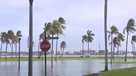
During a multi-day king-tide cycle, high surf, strong winds, and elevated sea levels inundated streets, parking lots, and low-lying neighborhoods while stripping sand from beaches along Florida’s Atlantic shoreline, California’s Pacific coast, and parts of the Carolinas. In Palm Beach County, waves reached the seawall at Midtown Beach and carved away sand, leaving only a narrow strip of shoreline. In Lantana, water rose to about three feet on roads; in Briny Breezes, depths of roughly two feet were reported. Northern California saw tide peaks about 1.9 ft above normal, prompting closures of sections of the Pacific Coast Highway.
Watch
Related reporting
akamaized
King tides hit East and West Coast with flooding
02
Background & Context
King tides occur when the gravitational forces of the Earth, moon, and sun align, typically around full moons, producing the highest predictable tides of the year. This cycle has been amplified this season by a strong high-pressure ridge to the north combined with low pressure over the Caribbean, intensifying swells along Florida’s coast. Along the California shoreline, a persistent super El Niño and a series of Kelvin waves have lifted sea levels further, making the current king tides unusually pronounced.
Visual evidence
Images from the story

03
Data & Statistics
- A beach-renourishment project completed in May added nearly 600,000 cubic yards of sand to Midtown Beach.
- Peak water levels reached the seawall at Midtown Beach, eroding the newly placed sand.
- Flood depths: ? 3 ft on Ocean Avenue in Lantana; ? 2 ft in Briny Breezes; 1.9 ft above normal in Northern California.
- Tides are projected to remain elevated through the end of October, according to forecasters.
04
On-the-Ground Reports
Visitors at Midtown Beach found the sand strip barely wide enough for a single step. In Huntington Beach, California, residents paddle-boarded through knee-deep water on the Pacific Coast Highway, and local businesses deployed sandbags to protect homes. Longtime Palm Beach County resident Joe Bonzagni noted the tides rank among the highest of his five-year stay, emphasizing the community’s routine preparedness.
05
Official Statements & Responses
Chris Fisher, a National Weather Service meteorologist in Miami, explained that the pressure pattern is generating larger swells and a “high risk of rip currents,” warning that beach conditions will remain rough through the weekend and advising the public to stay out of the water. Roger Gass, a meteorologist with the Weather Service’s Bay Area office in Monterey, identified the super El Niño and Kelvin waves as key drivers of the elevated sea levels along California’s coast. Both agencies emphasized that the most significant flooding typically occurs within 1½ hours before and after the peak of each high tide.
06
Why It Matters
The event tests the resilience of recent coastal mitigation efforts. The sand added during the Midtown Beach renourishment has already been eroded, raising questions about the durability of such projects under increasingly frequent high-tide events. Flooded roadways and parking lots disrupt commutes, tourism, and local commerce, while shoreline loss threatens beachfront properties and infrastructure, underscoring the need for adaptive coastal management strategies.
07
Verbatim Quotes
- “We just stepped right over the seawall, took my shoes off, and I had my toes in the sand,” — Marla Falls
- “It’s been a rough beach week,” — Chris Fisher