
Full Breakdown
Federal Appeal Court Blocks Trump Administration’s Attempt to Halt California Ballot Counting
By Drooid · · How we work
In this breakdown
01
Core Event – Appeals Court Denies Request to Sequester Mail-In Ballots
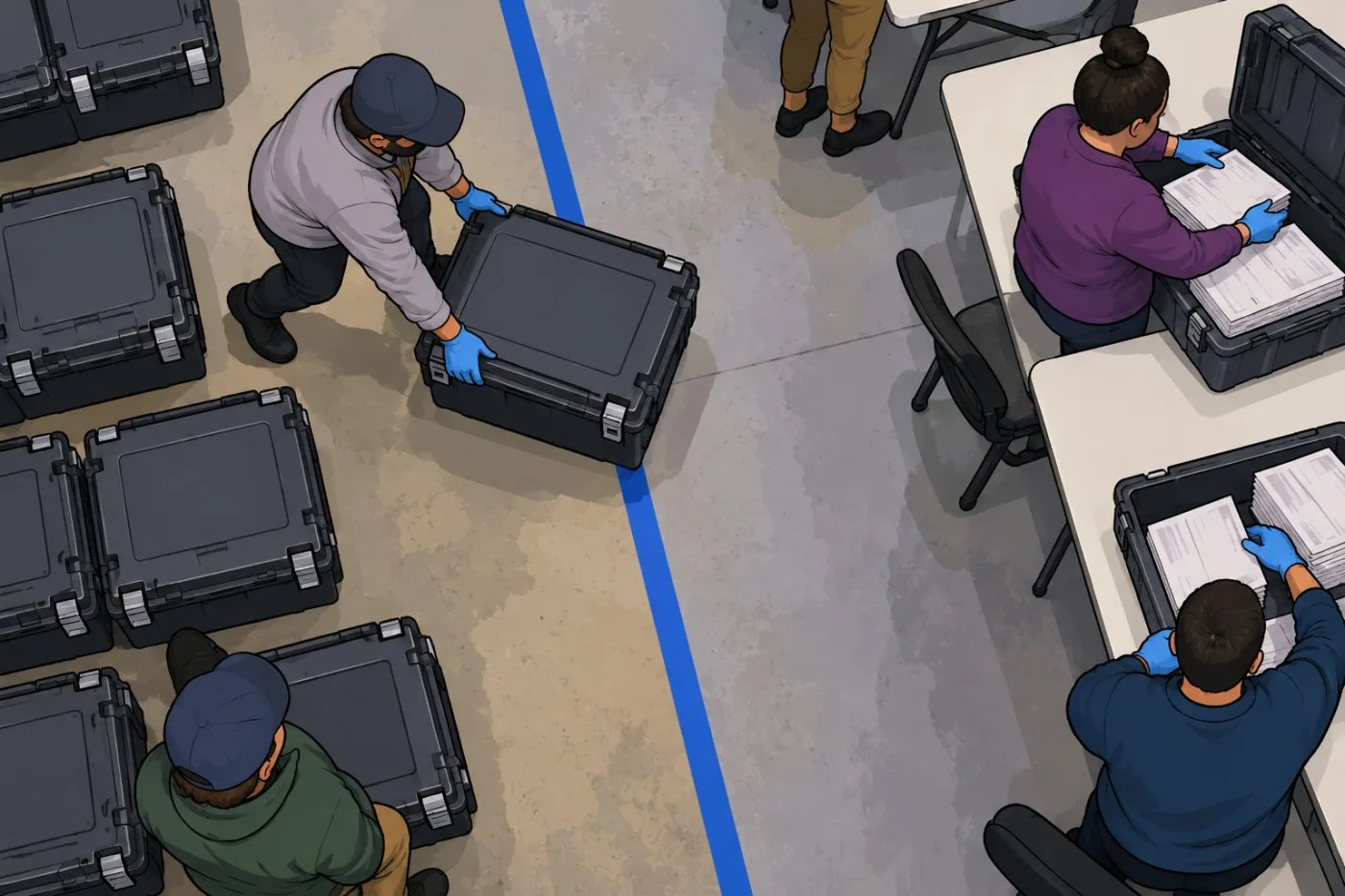
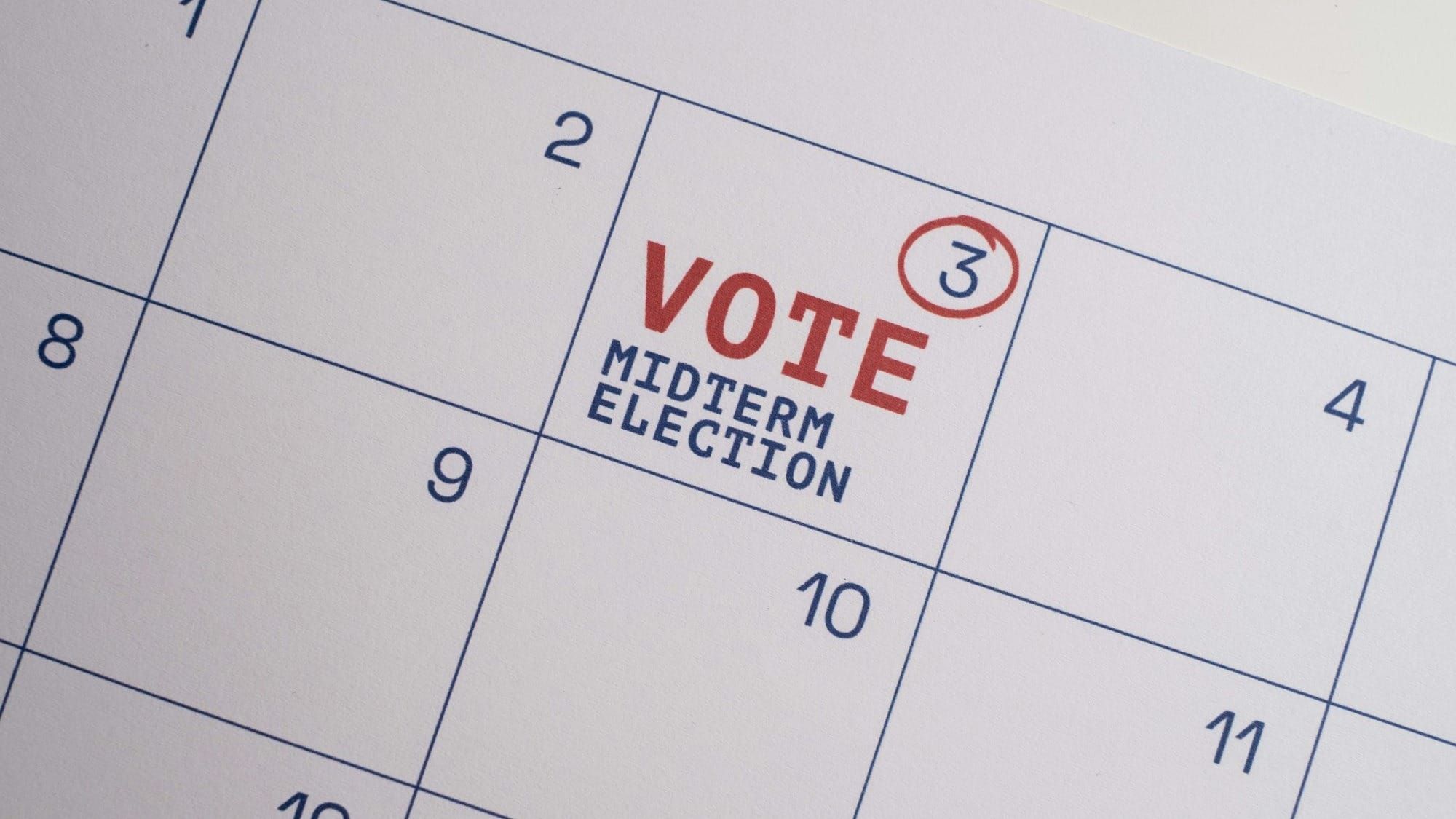
On Monday, the 9th U.S. Circuit Court of Appeals issued a two-to-one decision refusing the Trump administration’s request to set aside roughly 20,000 mail-in ballots in California ahead of the November 3 midterm election. The administration argued the ballots were likely cast by non-citizens but did not disclose how it compiled the list. The court said the government had not given lower courts sufficient time to review the case and noted that election administration is a state responsibility under the Constitution.
Watch
Related reporting
brightcove
US appeals court sceptical of Trump’s lawsuit over California voter rolls
02
Background & Context – Federal Challenges to State Election Practices
Since the 2020 presidential election, the Trump administration has filed lawsuits targeting state voting procedures, alleging widespread voter fraud. The California filing on October 15 came less than three weeks before the election. The administration’s broader strategy includes lawsuits in 30 states and the District of Columbia seeking voter-roll data, of which it has lost 26 cases. A Reuters investigation found only 129 federal prosecutions for illegal voting by non-citizens since 1996, most involving administrative errors rather than intentional fraud.
Visual evidence
Images from the story


03
Official Statements & Responses
California Secretary of State Shirley Weber’s office called the litigation a “reckless political stunt” that could disenfranchise voters. State officials contested the claim that the 20,000 ballots were cast by likely non-citizens, noting no evidence had been presented.
04
Data & Statistics – Scope of the Dispute
- Approximately 20,000 mail-in ballots were the subject of the federal request.
- The 2024 general election saw about 35 % of voters cast ballots early in person and 30 % vote by mail, according to the U.S. Election Assistance Commission.
- Nationwide, 47 states and the District of Columbia allow some form of in-person early voting, while eight jurisdictions conduct all-mail elections.
- The administration’s broader legal effort has resulted in 26 defeats out of 30 cases seeking voter-roll data.
05
Criticism & Opposition – State and Expert Rebuttals
California’s legal team argued the lawsuit attempts to interfere with state election processes and could suppress legitimate votes. Voting-rights advocates highlighted the paucity of evidence for non-citizen voting, noting most alleged cases stem from clerical mistakes. Legal scholars emphasized that the Constitution assigns election administration to the states, and federal intervention on speculative fraud claims undermines that framework.
06
Conflicting Reports & Gaps – Unverified Claims of Non-Citizen Ballots
The administration’s assertion that the targeted ballots were “likely” cast by non-citizens remains unsubstantiated; no public methodology or verification has been released. The court noted the lack of evidence, and the administration has not provided further details.
07
What’s Next – Ongoing Litigation and Election Timeline
The case now proceeds in a lower federal court, with a hearing scheduled for the Tuesday after the appellate decision. The November 3 election will proceed as planned, with California continuing its ballot-counting process under state supervision. Election officials will report unofficial results after polls close, and final certification will follow state-specific timelines that may extend days or weeks beyond Election Day.