
Full Breakdown
Midterm Ballot Measures Shape the 2026 Election Landscape
By Drooid · · How we work
In this breakdown
01
Overview of the Measures
Voters in more than three dozen states will decide roughly 150 ballot initiatives on November 3. The proposals span transgender-rights restrictions, gender-affirming-care bans, a wealth tax on the ultra-rich, voter-identification rules, and congressional-districting reforms. Early-voting activity was already visible on October 25, 2026 in Cary, North Carolina, and on March 3, 2026 in Dallas, Texas.
02
Transgender Athlete and Youth-Care Proposals
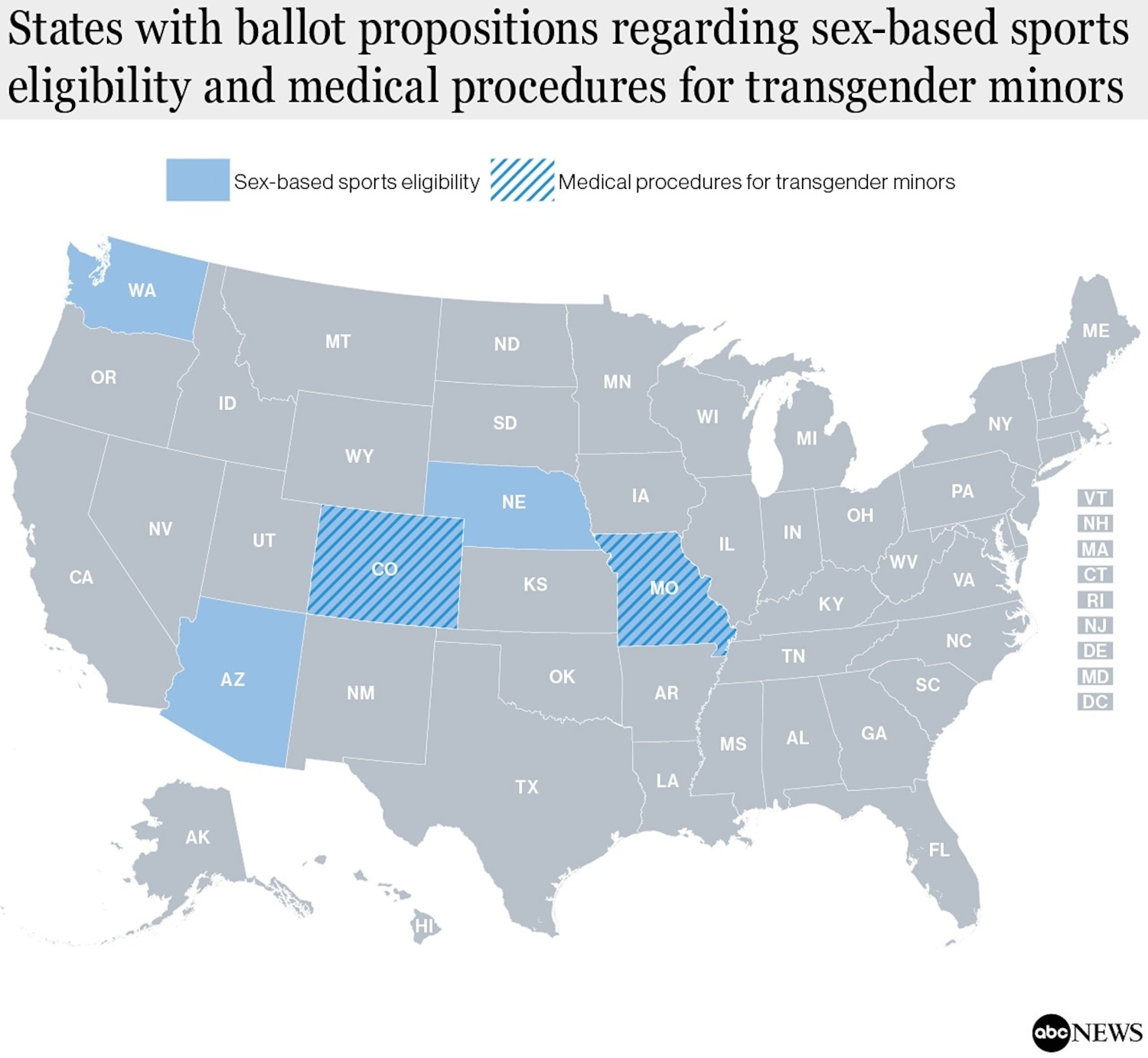
- Arizona, Colorado, Nebraska and Washington will vote on measures that would bar transgender girls and women from competing on all-female sports teams. Arizona’s referendum would extend its existing ban to private schools and require bathrooms and locker rooms to match the athlete’s birth-certificate gender. Nebraska seeks to embed its ban in the state constitution, making reversal harder. Washington would require a health-care provider to verify an athlete’s “biological sex,” a stipulation opponents say could lead to invasive examinations.
- Colorado proposes a constitutional amendment that would prohibit transition-related surgeries for minors. Missouri voters will consider adding a similar ban to the state constitution, joining an existing law that already bars gender-affirming treatment for children. Proponents argue the measures protect minors; critics label them discriminatory.
Visual evidence
Images from the story
03
Billionaire Tax and Other Fiscal Initiatives
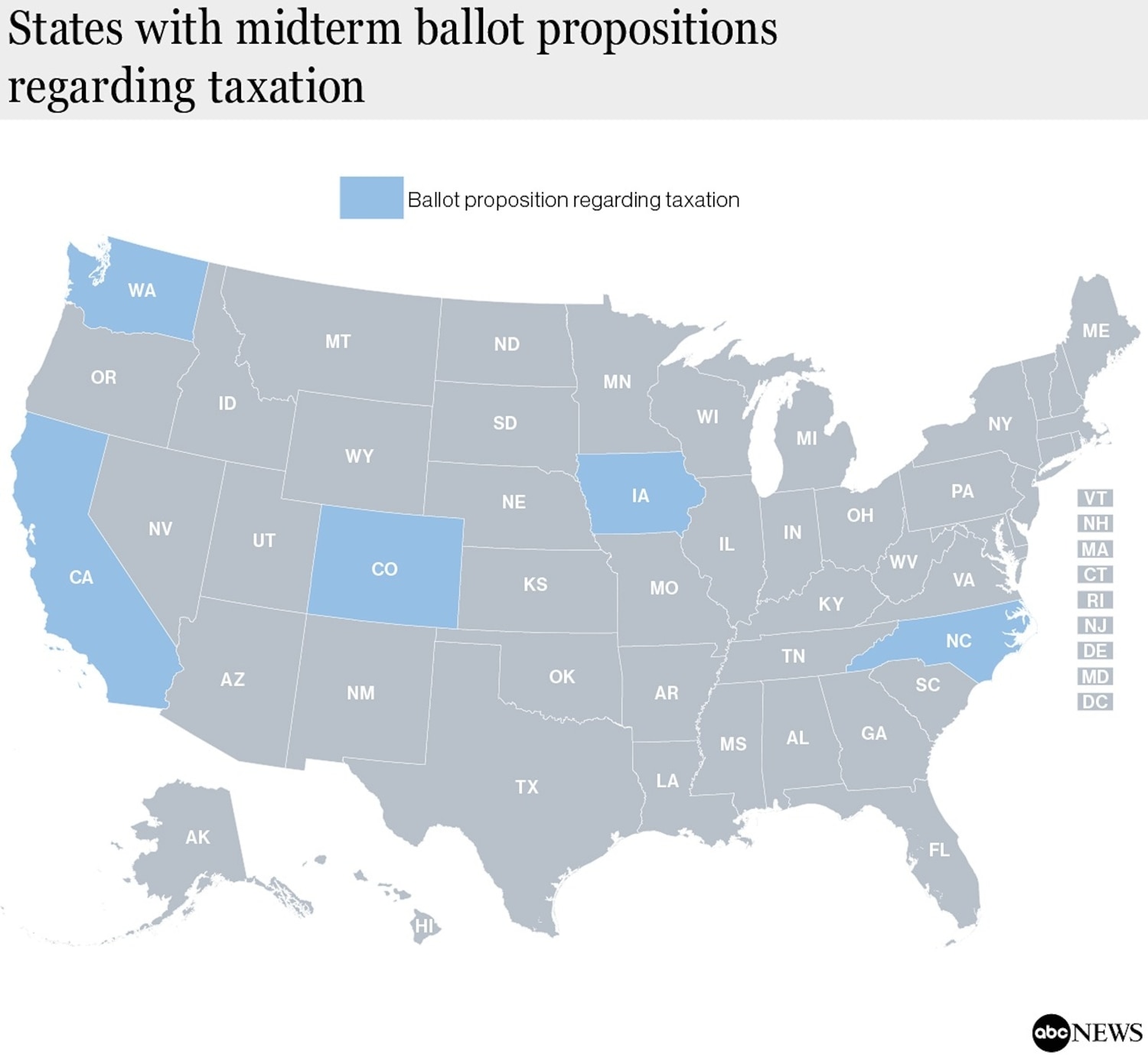
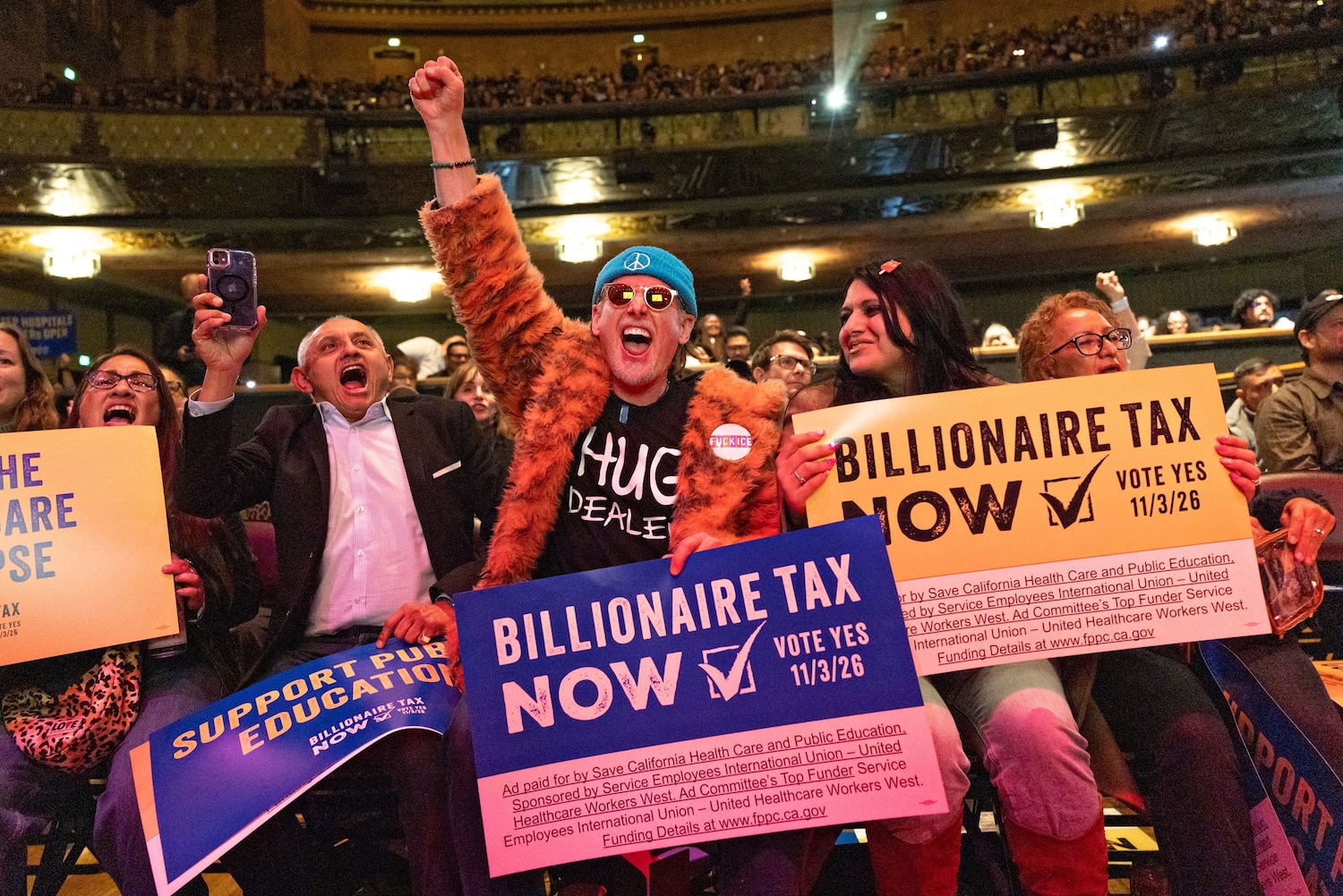
- California’s Proposition 40 would impose a one-time 5 % wealth tax on the worldwide assets of each of the state’s roughly 250 billionaires. Revenues are earmarked for health-care, food-assistance and public-education programs. Governor Gavin Newsom opposes the tax, warning it could drive successful tech companies to other states.
- Colorado seeks to replace its flat tax with a progressive schedule, taxing incomes under $25,000 at 3.7 % and raising the rate to 8.4 % for earnings above $1 million. Washington voters will decide whether to repeal a 9.9 % surtax on incomes over $1 million.
- Montana proposes a ban on corporate election-spending to sidestep the 2010 *Citizens United* decision, while Alaska voters will decide whether to retain the state’s ranked-choice voting system.
04
Voter Access and Districting Measures
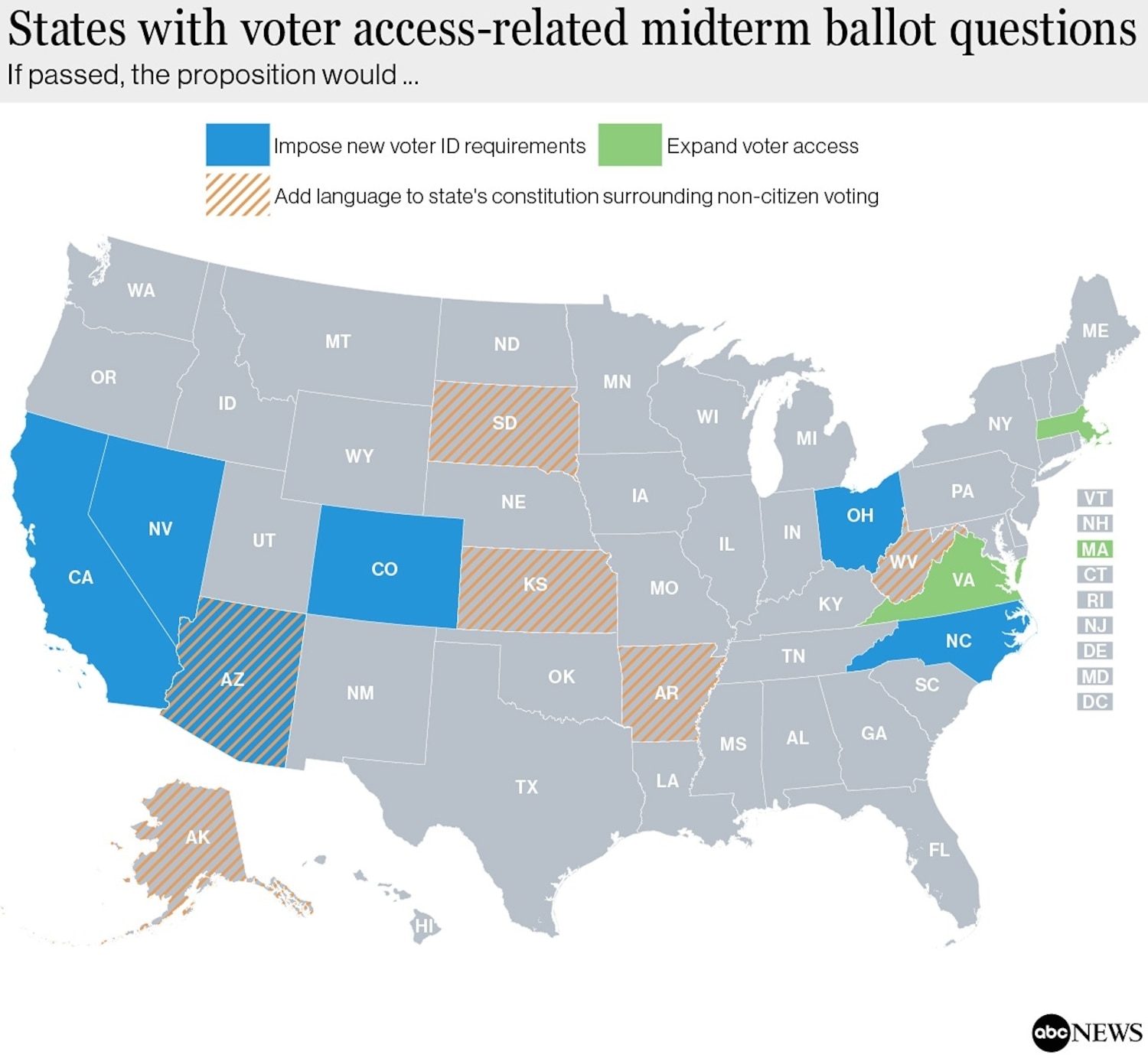
- Arizona, Colorado and Nevada would require voters to provide the last four digits of a government ID (e.g., Social Security number or driver’s license) on mail-in ballots.
- Alaska, Arizona, South Dakota, Kansas, Arkansas and West Virginia have measures that would restrict voting to U.S. citizens only.
- Massachusetts proposes same-day registration on Election Day, and Virginia would restore voting rights to some formerly incarcerated citizens after release.
- Missouri voters will consider a Republican-drawn map that would split the state’s only Democratic-leaning congressional seat; Maryland voters will decide on a constitutional amendment that could make it easier for the Democratic-controlled legislature to redraw districts and eliminate the state’s sole Republican-leaning seat in 2028.
05
Official Positions
- Governor Gavin Newsom has publicly warned that California’s billionaire tax could push tech firms out of the state.
- Republican strategists have highlighted the transgender-sports measures as a campaign issue, citing President Donald Trump’s 2024 attacks on transgender rights as a factor in recent electoral gains.
- Supporters of ranked-choice voting in Alaska argue the system eliminates wasted votes and ensures the elected candidate has the broadest support.