
Full Breakdown
Surge in Black Early-Vote Turnout Challenges Republican Redistricting Strategy
By Drooid · · How we work
In this breakdown
01
Background & Context
The Supreme Court’s decision in Louisiana v. Callais eliminated Section 2 of the Voting Rights Act, prompting Republican legislators in several Southern states to redraw congressional maps aimed at dismantling majority-Black districts. Strategists expected the redistricting push to suppress Black participation, but early-vote data suggests a different outcome.
02
Core Event: Early-Vote Data Reveals a Black Turnout Spike
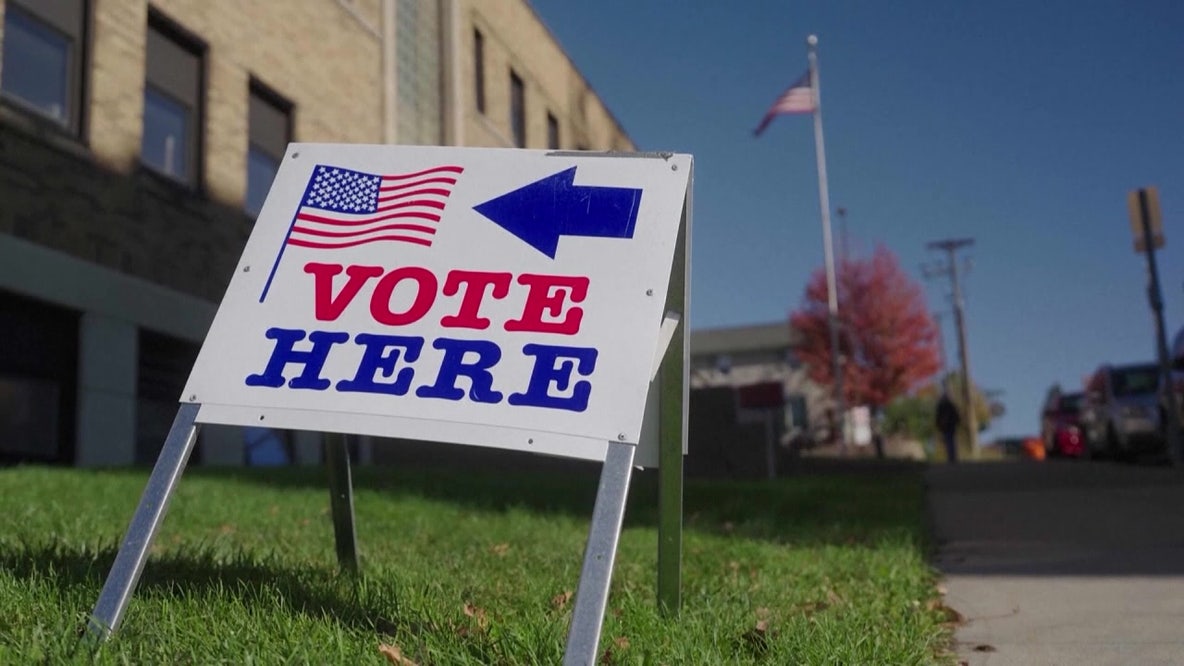
Black voters have cast more than 160,000 additional ballots compared with the same point in the 2022 midterms, especially in states that adopted new maps, such as Louisiana and South Carolina.
- In Shelby County, Tennessee, early turnout is up 8 percentage points from 2022.
- In South Carolina, Black voters account for roughly 30 % of the early vote. Former DNC chair Jaime Harrison notes that maintaining Black turnout near 24 % while securing a sizable share of the white vote could be decisive for the Senate race.
Visual evidence
Images from the story
03
Data & Statistics
Swipe across the table to see all columns.
| Metric | Figure | Source |
|---|---|---|
| Additional Black early-vote ballots vs. 2022 | > 160,000 | early-vote data |
| Shelby County early-vote increase | +8 pp | early-vote data |
| Black share of South Carolina early vote | ? 30 % | statement by Harrison |
| Targeted Democratic spending in Tennessee’s 5th district | first-time allocation | DCCC announcement |
04
Official Statements & Responses
- Jaime Harrison emphasizes that sustaining Black turnout around 24 % while winning a substantial portion of the white vote could secure a Democratic Senate win in South Carolina.
05
Why It Matters
Higher Black participation challenges the assumptions behind the new GOP maps, which relied on historic voting patterns linking race with party affiliation. If younger Black voters continue to turn out at elevated rates, districts previously deemed safe for Republicans—such as Tennessee’s 5th and 9th, which would have favored former President Donald Trump by 23 and 21 points respectively—could become competitive. The Democratic Congressional Campaign Committee’s new spending in Tennessee reflects this strategic shift. Similar dynamics are being monitored in Virginia and other Southern states, where Black-heavy precincts may influence upcoming congressional contests.
06
Conflicting Reports & Gaps
- Early-vote data is incomplete; several states (e.g., Mississippi, Alabama) do not publish racial breakdowns, limiting the ability to gauge the full scope of Black turnout.
- Analysts caution that a surge in white voter participation on Election Day could reduce the proportional impact of Black votes, meaning early numbers may not fully predict final outcomes.
07
Verbatim Quotes
- “When you break down the increase in Black voter turnout, it's overwhelmingly being driven by younger Black voters, which is somewhat surprising or unexpected because we know that early voting tends to skew older,” — Tom Bonier, senior adviser to TargetSmart
- “There's more of the South in play with this new energized and sort of awakening of that Black and brown coalition,” — Cornell Belcher
08
What’s Next
Democratic operatives will continue to track early-vote trends, with the DCCC already deploying resources to Tennessee’s 5th district. Additional campaign adjustments are expected as more ballots are cast and final turnout figures emerge ahead of Election Day.