
Full Breakdown
Pakistani Human Rights Lawyers Sentenced to 10 Years Over Cricket-Team Security Breach
By Drooid · · How we work
In this breakdown
01
The Verdict and Charges
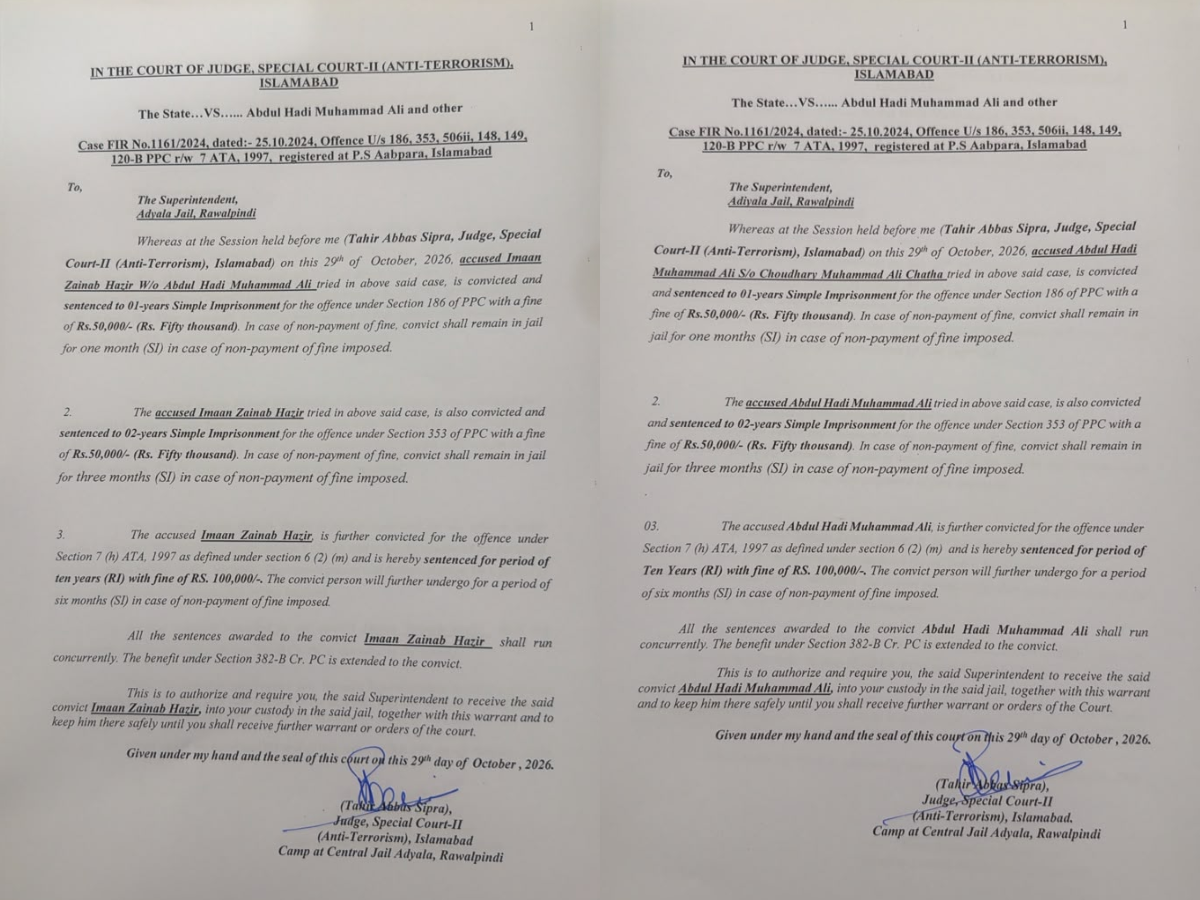
On October 25, 2024, anti-terrorism court (ATC) Judge Tahir Abbas Sipra sentenced human-rights lawyer Imaan Mazari and her husband Hadi Ali Chattha to ten years’ rigorous imprisonment each. They were found guilty of endangering the England cricket team’s convoy, removing road barriers at Zero Point junction in Islamabad, and obstructing police. Under the Anti-Terrorism Act 7(h) they received the ten-year term, with additional sentences under Pakistan Penal Code (PPC) Sections 186 (one year) and 353 (two years). All sentences run concurrently.
Watch
Related reporting
brightcove
Pakistan rights activist Imaan Mazari and husband jailed for 10 years
02
Legal Background and Prior Cases
Mazari and Chattha were first arrested on January 23 in a separate case linked to an alleged altercation outside the Islamabad High Court. The next day a district court sentenced each to up to 17 years under the Prevention of Electronic Crimes Act for social-media posts critical of the military. The Supreme Court suspended those sentences on September 17, granted bail, and re-arrested the couple the same day in connection with the security-breach case. Their defence has sought to postpone the ATC verdict pending appeals before the Supreme Court and the Islamabad High Court.
Visual evidence
Images from the story



03
Sentencing Details
- Anti-Terrorism Act 7(h): 10 years’ rigorous imprisonment, fine Rs 100,000 each.
- PPC Section 186: 1 year imprisonment, fine Rs 50,000 each.
- PPC Section 353: 2 years imprisonment, fine Rs 50,000 each.
The three terms total 13 years, but Section 382 of the Code of Criminal Procedure reduces the effective term to ten years, with total fines of Rs 200,000 per defendant.
04
Official Statements & Responses
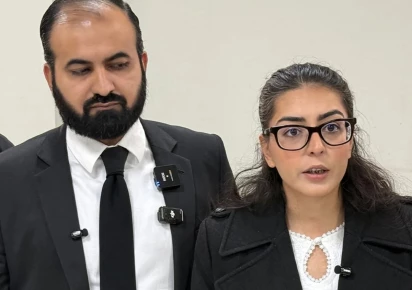
Law minister Azam Nazeer Tarar said the judiciary is independent. Defence counsel Aimal Khan Mandokhail argued that “until our petitions are heard, the court cannot legally announce its verdict.” The couple’s legal team claims the trial, held inside Adiala Jail behind a cage-like structure, denied them access to their own lawyers and key documents, prompting a petition to the Supreme Court for relief.
05
Verbatim Quotes
- “I am being punished for not only supporting my wife's work and activism, but for choosing this path of resisting injustice as our life journey together,” — Chatta
- “These convictions are an indictment of Pakistan's justice system.” — Yasmine Ahmed, Amnesty International
- “Until our petitions are heard, the court cannot legally announce its verdict,” — Aimal Khan Mandokhail
06
What’s Next
Mazari and Chattha plan to challenge the ATC verdict before the Supreme Court, arguing that pending petitions on procedural violations must be resolved before the sentences can be enforced. Their appeal will test whether Pakistan’s higher judiciary will intervene in a case that highlights the tension between anti-terrorism legislation and fundamental human-rights protections.