
Full Breakdown
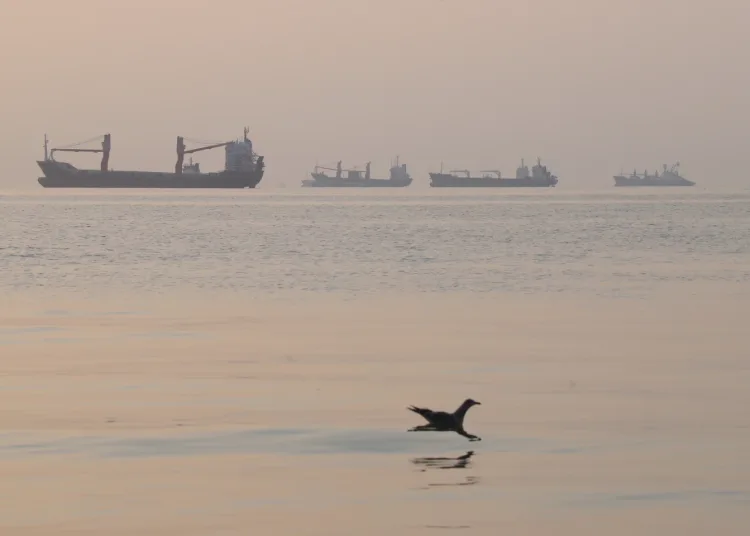
Three Oil Tankers Explode After Striking Mines on an Unauthorized Route in the Strait of Hormuz
By Drooid · · How we work
In this breakdown
01
Background & Context
Iran’s Islamic Revolutionary Guard Corps (IRGC) Navy has long warned that vessels must follow designated transit lanes in the Strait of Hormuz. On February 28, Iran restricted passage through the strait in response to a joint U.S.–Israeli operation that began that day and ended in early April after 40 days of fighting. The restriction was intended to pressure vessels linked to the United States and Israel. Later, on June 17, Tehran and Washington signed a Pakistan-brokered memorandum of understanding (MoU) that assigned Iran responsibility for reopening and managing the waterway, though Tehran has repeatedly accused the United States of undermining its sovereignty.
02
Official Statements & Responses
- The IRGC warned that owners and crews would be held responsible for using the mined route and urged maritime operators not to heed “U.S. Central Command’s delusions” on social media. It pledged a “decisive response” to any provocative action backed by the U.S. military.
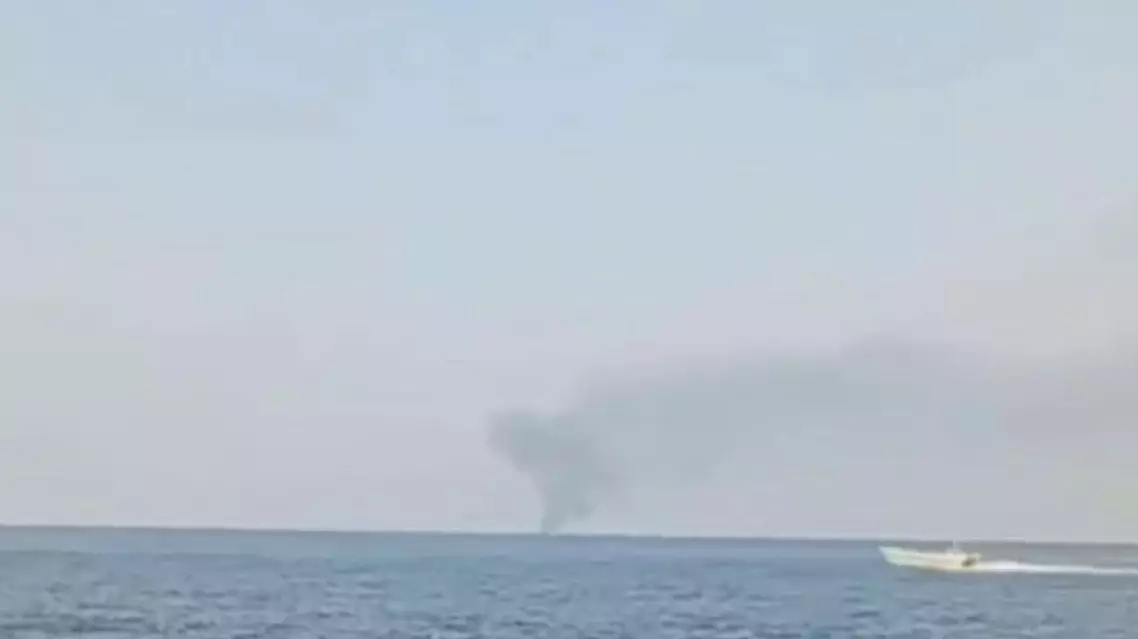
- The United Kingdom Maritime Trade Operations (UKMTO) agency reported a ship on fire in the strait but did not provide details on the cause or casualties.
Visual evidence
Images from the story
03
Data & Statistics
- Number of vessels: Three oil tankers.
- Timeframe: The incidents occurred within the past 24 hours as of October 29.
- Location: Southern coast of the Strait of Hormuz, approximately 9 nautical miles north of Khasab, Oman (per UKMTO).
- Operational status: The IRGC said the tankers were abandoned after the explosions; no crew condition or casualty figures have been released.
04
Conflicting Reports & Gaps
- Iran’s claim attributes the damage to naval mines placed on the unauthorized route.
- UKMTO confirmed a vessel was on fire but did not confirm the cause, stating “the agency, which is run by the British Royal Navy, did not give details on the cause of the blaze or any casualties.” “The agency, which is run by the British Royal Navy, did not give details on the cause of the blaze or any casualties.” — DW UKMTO
- The Associated Press was unable to independently verify the IRGC’s report, and no other outlet identified the tankers or provided casualty information.
- Lloyd’s List Intelligence notes that oil tankers continue to transit the strait under U.S. military protection despite the recent upsurge in attacks, but the specific condition of the three vessels remains unknown.
05
Verbatim Quotes
- “The agency, which is run by the British Royal Navy, did not give details on the cause of the blaze or any casualties.” — DW UKMTO
06
Why It Matters / Impact
The incident underscores the heightened risk to commercial shipping in a chokepoint that carries a significant share of global oil trade. Iran’s assertion that the route is mined and its warning to vessel owners raise the prospect of further disruptions if ships attempt the southern corridor. The lack of independent verification leaves the international community uncertain about the extent of any environmental damage or crew safety concerns, while the episode adds pressure on diplomatic mechanisms—such as the June 17 MoU—to ensure safe navigation. Continued U.S. naval escort of tankers and the IRGC’s threat of “decisive” retaliation keep the Strait of Hormuz a focal point of regional tension.