
Full Breakdown
Supreme Court Calls for Autonomy and Infrastructure Overhaul of India’s Corporate Tribunals
By Drooid · · How we work
In this breakdown
01
Core Event – Court Orders Proposals and Criticizes Ministry Control (Oct 29 2026)
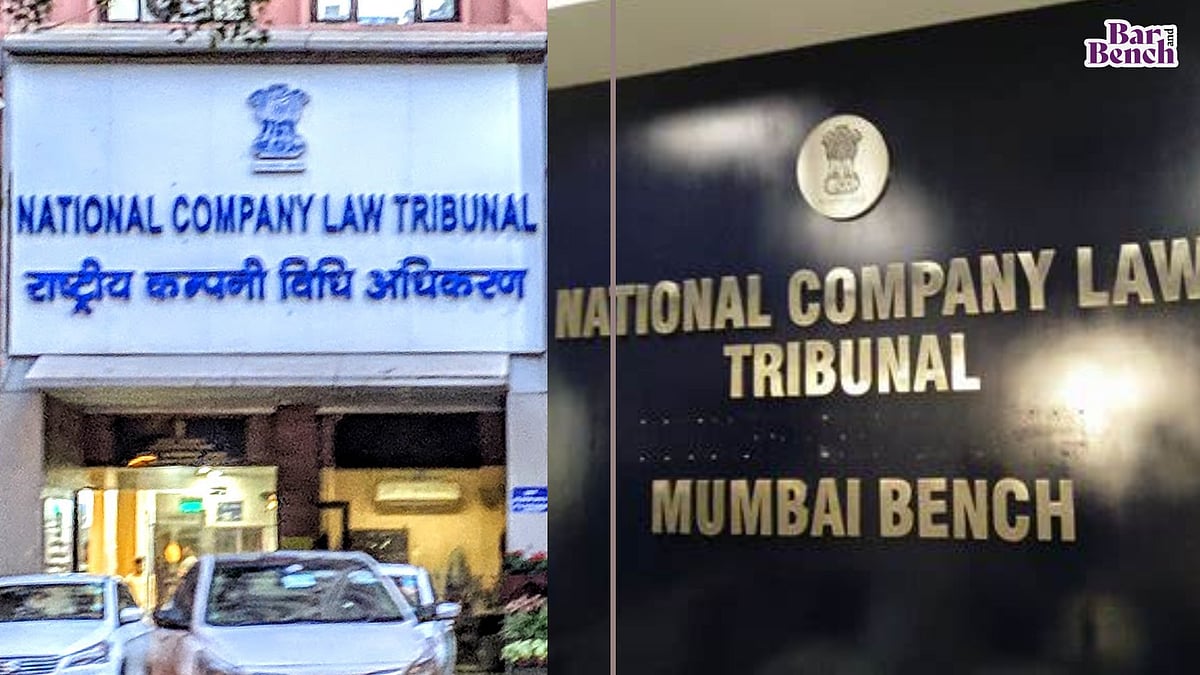
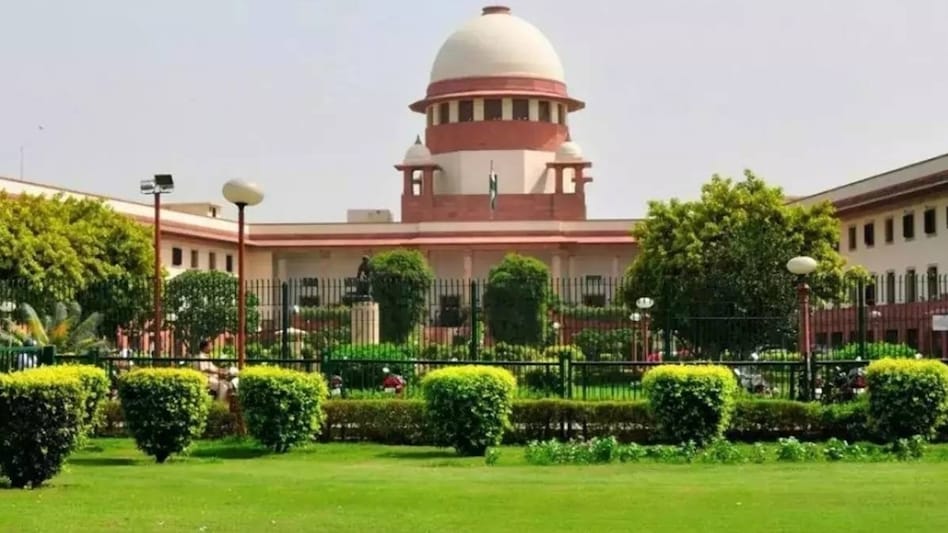
On Oct 29 2026 the Supreme Court bench of Chief Justice Surya Kant, Justice Joymalya Bagchi and Justice V Mohana directed the presidents of the National Company Law Tribunal (NCLT) and the National Company Law Appellate Tribunal (NCLAT) to submit, within four weeks, detailed proposals on infrastructure, land-building needs and staffing. The bench rebuked the Ministry of Corporate Affairs (MCA) for “completely hijacking” the tribunals, saying the arrangement impinges on their autonomy.
02
Background & Context – Expanding Jurisdiction and Crumbling Facilities
The NCLT and NCLAT adjudicate corporate insolvency matters under the Insolvency and Bankruptcy Code (IBC) and disputes under the Companies Act. Since the IBC’s enactment, their jurisdiction has broadened, but physical infrastructure and human resources have lagged. The Court is hearing a suo motu case on appointment procedures after reports that the Delhi bench has two floors shut and is operating at half strength.
Visual evidence
Images from the story



03
Official Statements & Responses – Court, Government and Bar Association
The Court suggested an interim solution of deputing experienced government officials, followed by phased recruitment through the UPSC or SSC. It asked Attorney General R Venkataramani to press the Centre to provide basic amenities and to convene a joint meeting with the tribunal presidents and bar representatives.
The NCLT Bar Association, appearing before the Court, highlighted the deteriorating premises, the shortage of judges and technical members, and the reliance on temporary contractual staff for essential functions.
04
Criticism & Opposition – Arguments from Contractual Employees’ Counsel
Senior advocate Meenakshi Arora, representing contractual employees, warned that a contract awarded on Oct 6 could force existing staff to leave as early as Nov 1, replacing them with a private contractor. She argued that employees with six-plus years of service have “certain rights” and that terminating them without presidential approval would violate Articles 14 and 16 of the Constitution. Arora also noted that contractual staff hired by the MCA do not receive house-rent allowance (HRA) or dearness allowance (DA).
05
Verbatim Quote
- “We are compelled to observe that this has been completely hijacked by the ministry of corporate affairs. That is the problem. And that is impinging on the autonomy of the institution,” — Chief Justice (bench).
06
Timeline of Key Developments
Swipe across the table to see all columns.
| Date | Event |
|---|---|
| Oct 6 2026 | MCA awarded a contract to a foreign firm for administrative personnel. |
| Oct 29 2026 | Supreme Court issued directions on autonomy, staffing and infrastructure; criticized MCA. |
| Nov 1 2026 (scheduled) | Potential displacement of existing contractual staff, according to counsel. |
| Four-week deadline (from Oct 29) | Presidents of NCLT and NCLAT must submit detailed proposals. |
| Nov 17 2026 (scheduled) | Next hearing of the NCLAT in a separate matter. |
| Nov 19 2026 (scheduled) | Supreme Court notice to NCLAT to explain failure to hear a July 23 appeal. |
07
What’s Next – Implementation and Oversight
The Supreme Court will review the submitted proposals before a further hearing date to be fixed. Any interim staffing arrangements must receive the president’s approval, and the Centre is expected to expedite provision of basic amenities. The joint meeting proposed by the Attorney General will involve the Centre, tribunal presidents and bar representatives to prioritize infrastructure upgrades and a transparent recruitment roadmap.