
Full Breakdown
Michigan Senate Race: Fractured Democratic Unity Ahead of the Nov. 3 Election
By Drooid · · How we work
In this breakdown
01
Core Event
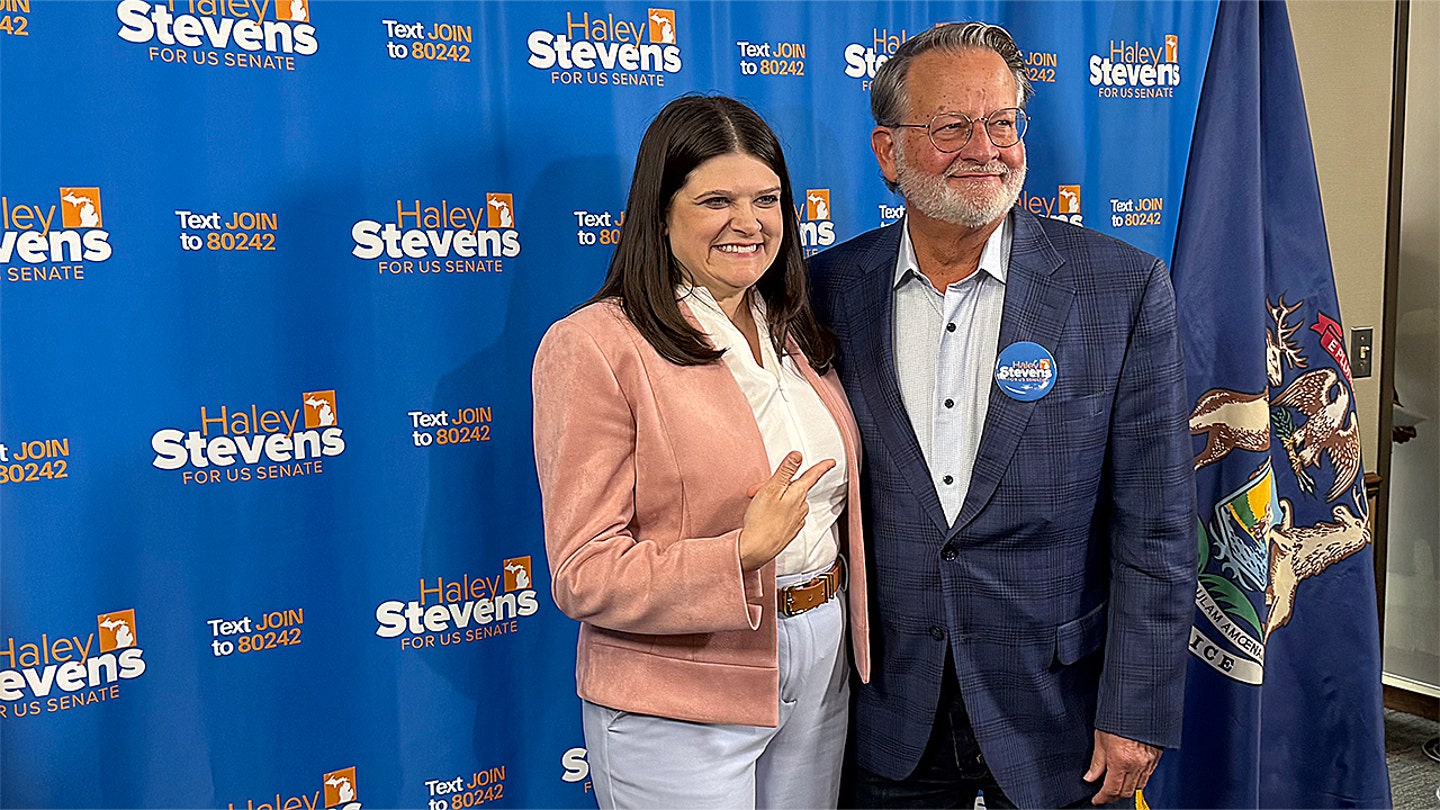
In the final week before Michigan’s U.S. Senate election, Democratic nominee Dr. Abdul El-Sayed has received limited public support from former primary rival Rep. Haley Stevens. The two have not appeared together since a brief unity breakfast after the primary, and Stevens’ fiancé, attorney Jason Turkish, announced he will vote for Republican former congressman Mike Rogers, citing El-Sayed’s “escalation” of rhetoric on Israel and concerns for Jewish safety. The split reflects an intra-party rift that could shape voter turnout in a race that may determine Senate control.
Watch
Related reporting
cbsnews
Video: Abdul El-Sayed joins local officials in Detroit press conference
02
Background & Context
El-Sayed, a former public-health official and son of Egyptian immigrants, narrowly defeated Stevens in the Democratic primary, winning 48.5 % to 47.5 %. Michigan has not elected a Republican senator in three decades, making the seat a key target for both parties. After the primary, El-Sayed’s campaign absorbed some of Stevens’ staff but the two have not coordinated further events. The campaign has been shadowed by accusations of antisemitism stemming from a Rebellion PAC advertisement that links U.S. aid to Israel with rising grocery prices, an ad El-Sayed’s team says is not affiliated with his campaign.
Visual evidence
Images from the story





03
Timeline
- Primary election – El-Sayed wins by 1 percentage point.
- Early September – Unity breakfast; brief hug between El-Sayed and Stevens.
- Early October – Stevens joins Gov. Jocelyn Benson’s bus tour; no joint appearances with El-Sayed.
- Oct. 24 – El-Sayed rallies in Detroit.
- Oct. 28 – Turkish announces support for Rogers at a Townsend Hotel event; Kramer also backs Rogers.
04
Data & Statistics
- Primary margin: El-Sayed 48.5 % vs. Stevens 47.5 % (1 % gap).
- Oakland County: 1.3 million voters; Stevens beat El-Sayed there by seven points in the primary.
- Polling (mid-October): InsiderAdvantage 47 %–46 %; Marist 50 %–48 %; Quantus Insights 48 %–47 % (all showing a narrow El-Sayed lead).
05
Official Statements & Responses
El-Sayed’s campaign spokesperson reiterated that the Rebellion PAC ad “does not speak for” the candidate. Stevens told CNN she will vote for El-Sayed but urged him to denounce the ads. Kramer announced his support for Rogers, emphasizing “deep disagreements” with El-Sayed on policies affecting Jewish safety. State Sen. Mallory McMorrow said she has no concerns and that the campaign is proceeding as needed.
06
On-the-Ground Reports
Union leaders, including UAW President James Cotton, have rallied behind El-Sayed, citing his support for working-class interests. Local Democratic organizers note a “house divided” atmosphere, with some precincts planning to skip the Senate vote altogether due to lingering resentment from the primary.
07
Conflicting Reports & Gaps
Some former Stevens supporters say they have reached out to El-Sayed without response; others claim they will abstain from voting for either candidate. The extent of El-Sayed’s direct involvement with the controversial ad remains disputed, with the campaign denying affiliation but not issuing a public condemnation.
08
What’s Next
Michigan voters will cast ballots on Nov. 3, with a straight-ticket option that allows selection of all party candidates at once. The final outcome will hinge on whether Democratic leaders can close the intra-party divide before Election Day.