
Full Breakdown
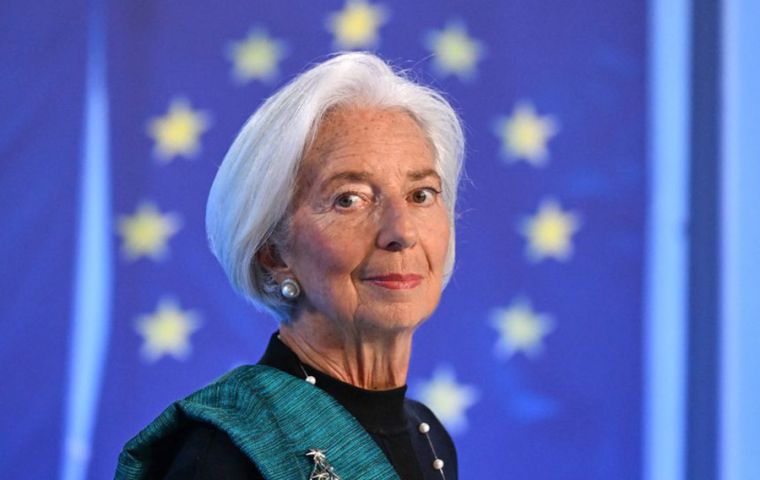
Christine Lagarde Announces Early Resignation as ECB President
By Drooid · · How we work
In this breakdown
01
Core Event: Early Resignation Effective February 7 2027
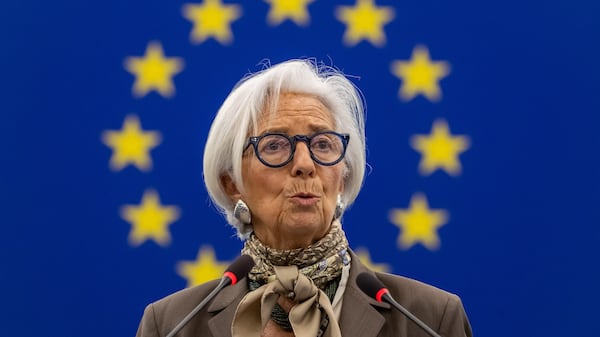
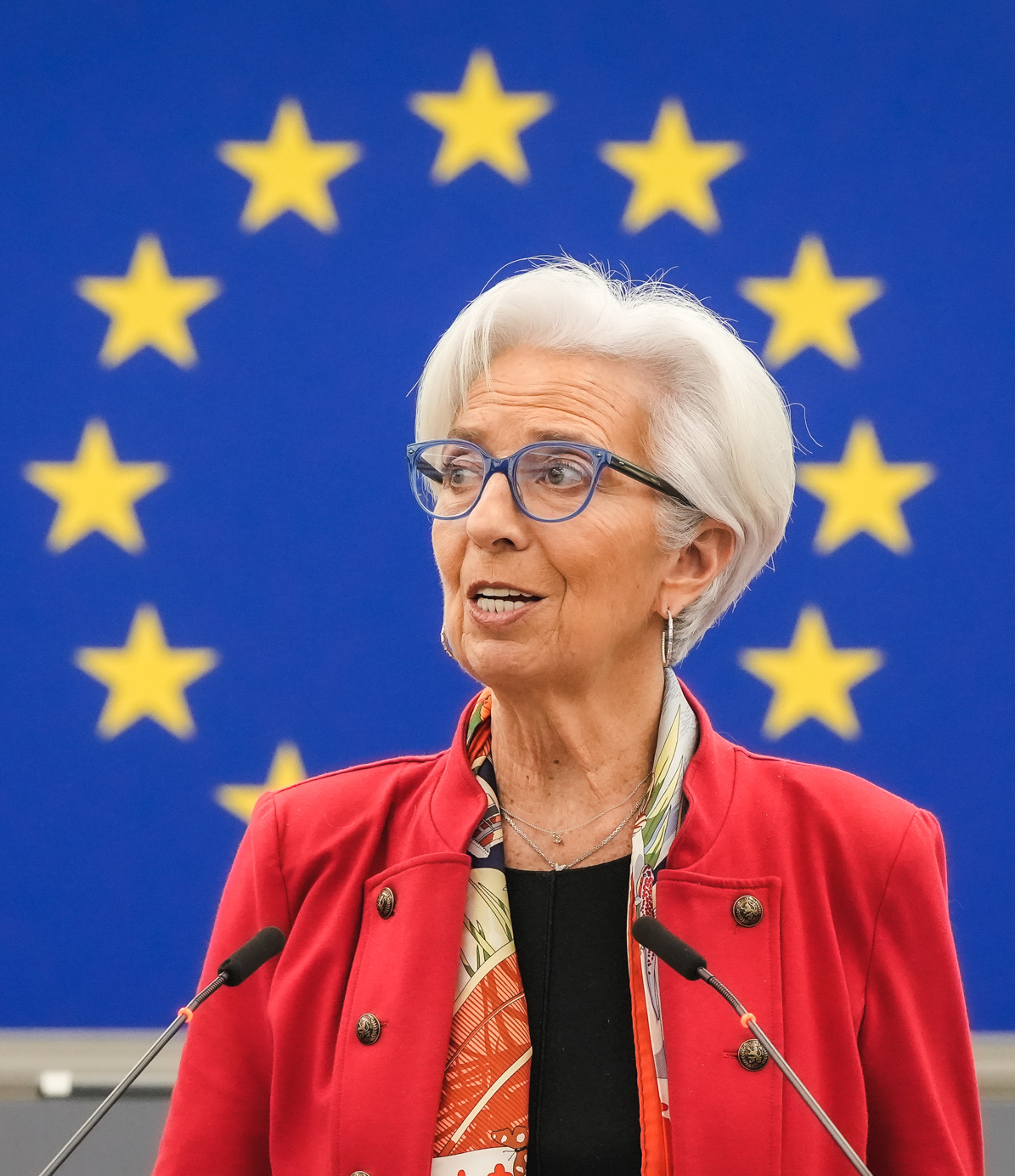
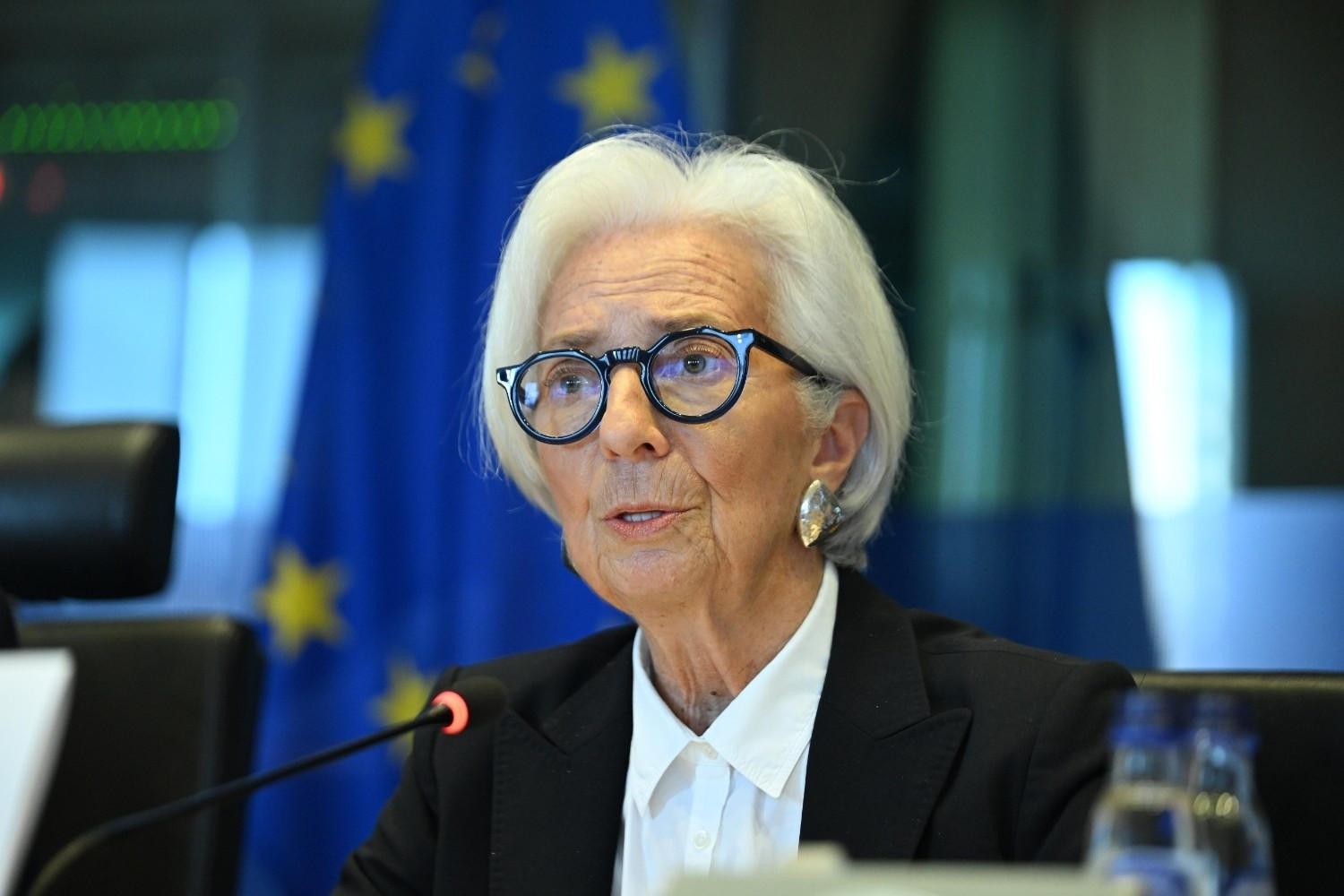
European Central Bank (ECB) President Christine Lagarde told the Governing Council and European Council President António Costa she will step down on February 7 2027, nine months before the scheduled end of her eight-year term. The announcement came on October 29 2026, the day of the ECB’s regular interest-rate meeting, and triggers an immediate succession process led by the European Council.
02
Background & Context
Lagarde took office on November 1 2019, succeeding Mario Draghi. Her tenure covered the COVID-19 pandemic, Russia’s invasion of Ukraine, the 2022-23 energy-price shock and the 2024-25 Iran-driven oil crisis, all of which kept euro-area inflation above the 2 % target and prompted multiple rate hikes. European Council President Costa said the ECB’s mandate to maintain price stability has been exercised under “steady and determined stewardship.”
Visual evidence
Images from the story



03
Timeline
- Nov 1 2019 – Lagarde’s term begins (scheduled to end Oct 2027).
- June 11 2026 – Lagarde addresses a rates-decision press conference in Frankfurt.
- Oct 29 2026 – Lagarde announces early resignation; ECB confirms Feb 7 2027 as the exit date.
- Feb 7 2027 – Effective date of departure.
04
Data & Statistics
- Deposit rate: 2.5 % on the announcement day.
- Euro-area inflation: 3.8 %, above the 2 % target.
- French 10-year bond yields: 154-basis-point premium over German Bunds, the highest in 25 years.
- Markets price a possible December rate hike and up to three further increases by the end of 2027, potentially raising the deposit rate to 3.25 %.
05
Why It Matters / Impact
Lagarde’s early exit coincides with the French presidential election slated for April-May 2027, where Marine Le Pen leads the polls. European leaders have a window to appoint a successor while President Emmanuel Macron remains in office, a factor analysts cite as a safeguard against a eurosceptic appointment. The succession race currently pits former Dutch central-bank governor Klaas Knot against Spain’s Pablo Hernández de Cos, with broader ECB leadership posts also due for replacement in 2027.
06
Official Statements & Responses
The Governing Council gave Lagarde a standing ovation before voting to keep the deposit rate unchanged at 2.5 %.
07
Criticism & Opposition
Paul De Grauwe, a London School of Economics professor, called the timing “debasing the institution” and a “purely political calculus” of the French presidency. German MEP Markus Ferber argued the move could undermine confidence in the ECB’s independence amid high inflation and volatile bond markets.
08
Conflicting Reports & Gaps
The ECB gave no explicit reason for the early departure. Media speculation links Lagarde to a possible World Economic Forum chairmanship or French political engagement, but these remain unconfirmed. Some sources say Lagarde denied a political motive; others cite internal hints of a desire to influence the successor-selection timeline.