
Full Breakdown
Amazon Unveils Alexa Photo Frame and Four New Echo Devices
By Drooid · · How we work
In this breakdown
01
Launch Highlights
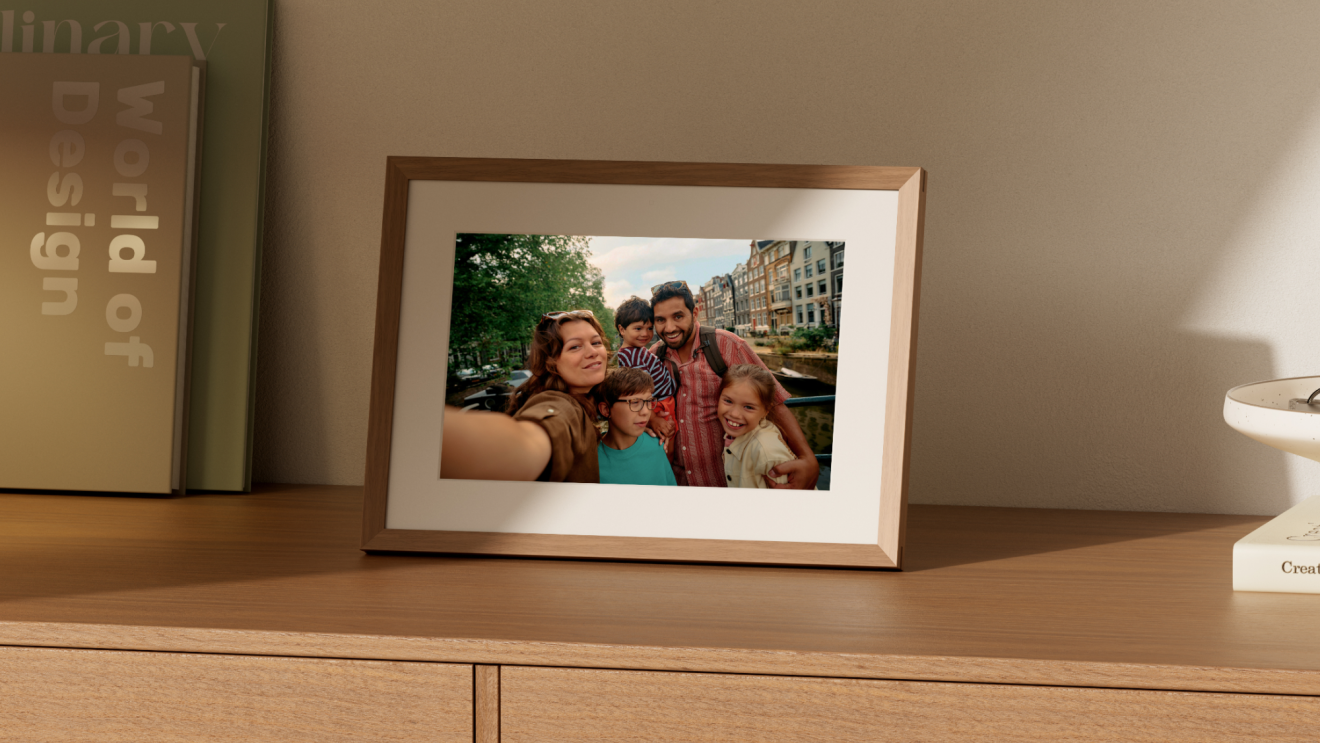
Amazon announced a new line of Alexa-enabled hardware, headlined by a 10-inch Alexa Photo Frame that integrates the Alexa+ AI engine for automatic photo curation. The rollout also includes the Echo Dot (redesigned), Echo Time smart alarm clock, Echo Studio with a built-in camera, and the larger Echo Show 16 smart display. All devices were introduced on October 28 as part of a single product blitz aimed at deepening the company’s “room-specific” smart-home ecosystem.
02
Product Lineup Overview
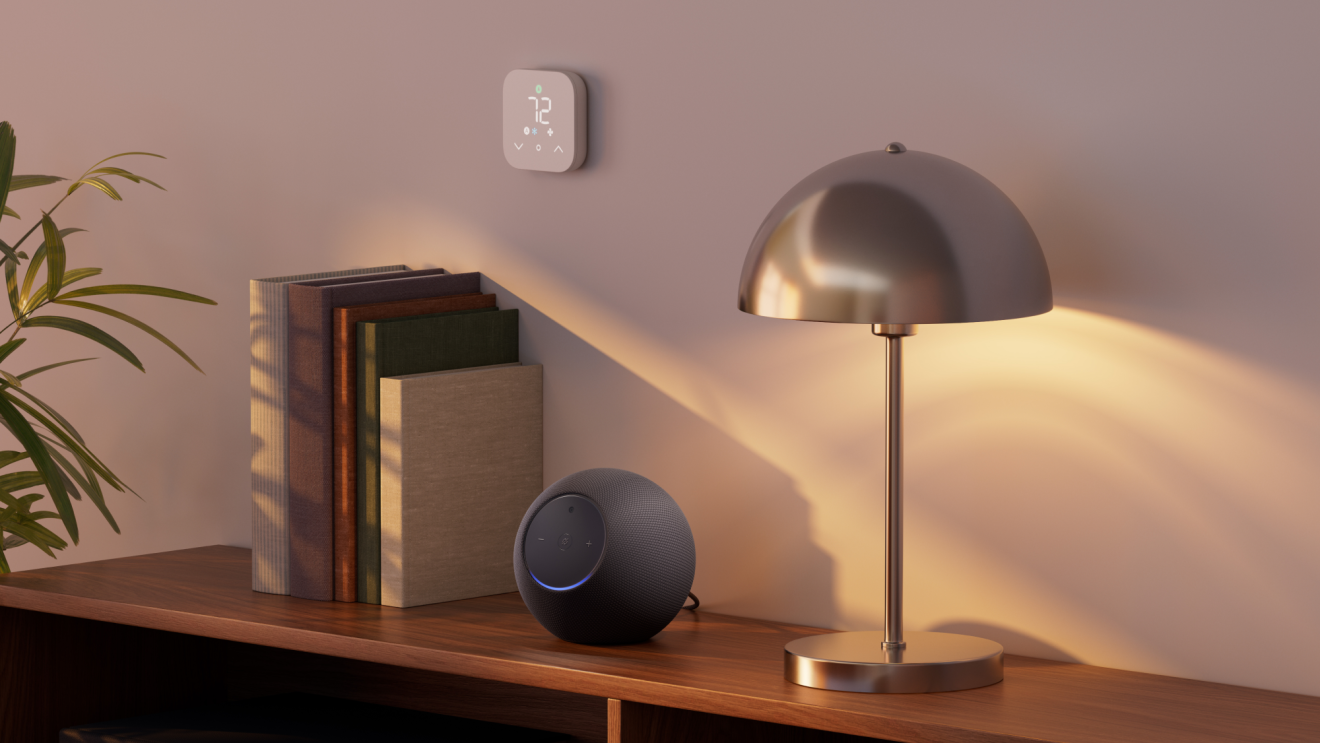
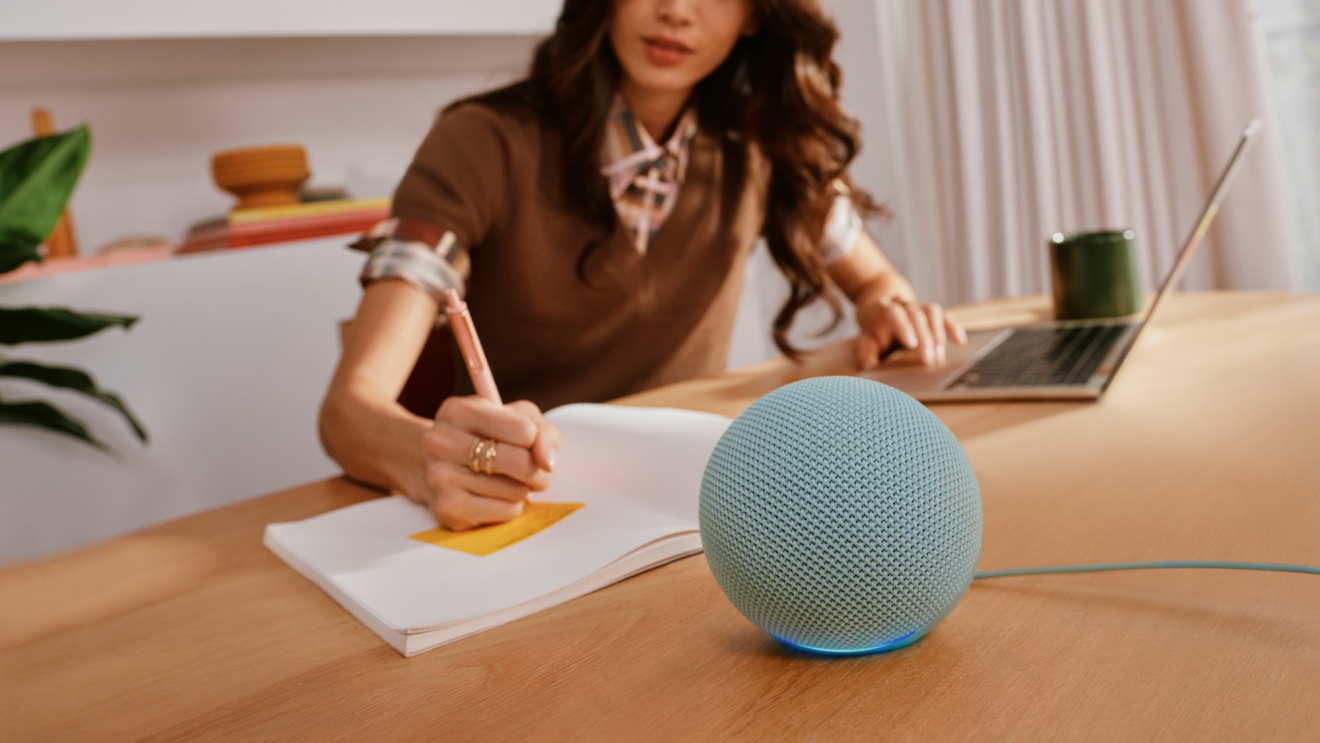
The Alexa Photo Frame blends into traditional décor while offering voice-controlled photo selection. The Echo Dot now features a built-in smart-home hub and a new AZ3 processor for faster on-device Alexa+ responses. Echo Time adds sleep-sensing sensors that can wake users during lighter sleep phases. Echo Studio incorporates a camera for visual queries and video calls. Echo Show 16 expands the smart-display market with a 16-inch, 40 % thinner chassis and a larger viewing area.
Visual evidence
Images from the story


03
Technical Features and AI Curation
- Alexa+ AI: The frame scans a user’s Amazon Photos library, automatically filtering out screenshots and receipts, prioritizing images where subjects are smiling, and matching seasonal cues.
- Touch Interaction: A semi-matte, anti-glare touchscreen lets owners swipe between images, add voice notes, and adjust settings without a phone.
- Ambient Light Sensing: The display brightness adapts to surrounding lighting for consistent viewing.
- Voice-Driven Photo Pairing: Alexa can display side-by-side composites, such as a child’s early-year swimming photo next to a later-year counterpart.
- Integration with Amazon Photos: Unlimited photo storage is available to Amazon Prime members; the frame pulls images directly from this cloud service.
04
Pricing and Availability
- Alexa Photo Frame – $200 (black); $229–$230 (Birch or Walnut).
- Echo Dot – starting at $100.
- Echo Time – $200.
- Echo Studio with Home Camera – $250.
- Echo Show 16 – $500 with a $100 preorder discount; shipping slated for later in the year.
All devices are on sale immediately, with the Echo Show 16 available for preorder. The Photo Frame ships now; the Echo Show 16 will ship in December.
05
Amazon’s Official Position
Amazon describes the Photo Frame as a “gift-ready” device that can be preloaded with images and voice notes before delivery, emphasizing its ability to remove the guesswork of selecting display-worthy photos. The company’s launch materials state that Alexa+ will automatically surface the best images based on facial recognition, smile detection, and lighting quality. Amazon also highlights the frame’s 10-inch HD screen, anti-glare finish, and adaptive brightness as differentiators from conventional digital frames. For the broader lineup, Amazon frames the devices as “purpose-built entry points” that address specific household routines—morning wake-ups, visual assistance, and shared entertainment—while leveraging Alexa+ to unify control across the ecosystem.
06
Market Implications
The photo frame with built-in AI curation signals Amazon’s intent to compete with established digital-frame manufacturers and Apple’s HomeView smart display. By tying the frame’s functionality to Amazon Photos and Prime membership, the company reinforces its subscription-driven revenue model. The hardware suite also expands Amazon’s foothold in the smart-home market, offering differentiated features such as sleep-sensing alarms and visual intelligence in speakers, which could attract consumers seeking integrated, voice-first experiences.
07
Conflicting Reports & Gaps
TechCrunch noted that the frame does not support importing images from Google Photos at launch, requiring users to rely exclusively on Amazon Photos. This limitation aligns with Amazon’s statements but may affect consumers who store photos primarily on competing cloud services. No alternative sourcing options were mentioned, leaving a gap for potential future integration.