
Full Breakdown
Utah Criminal Charges Against Kalshi Spark Federal-State Jurisdiction Clash
By Drooid · · How we work
In this breakdown
01
The Criminal Charges Filed in Utah
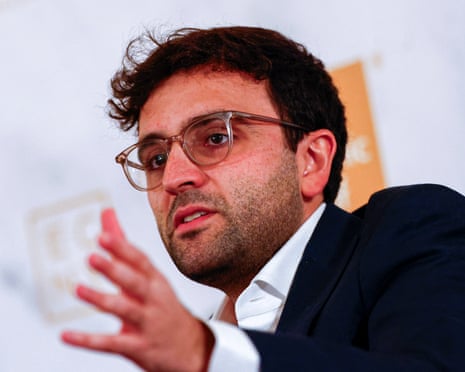
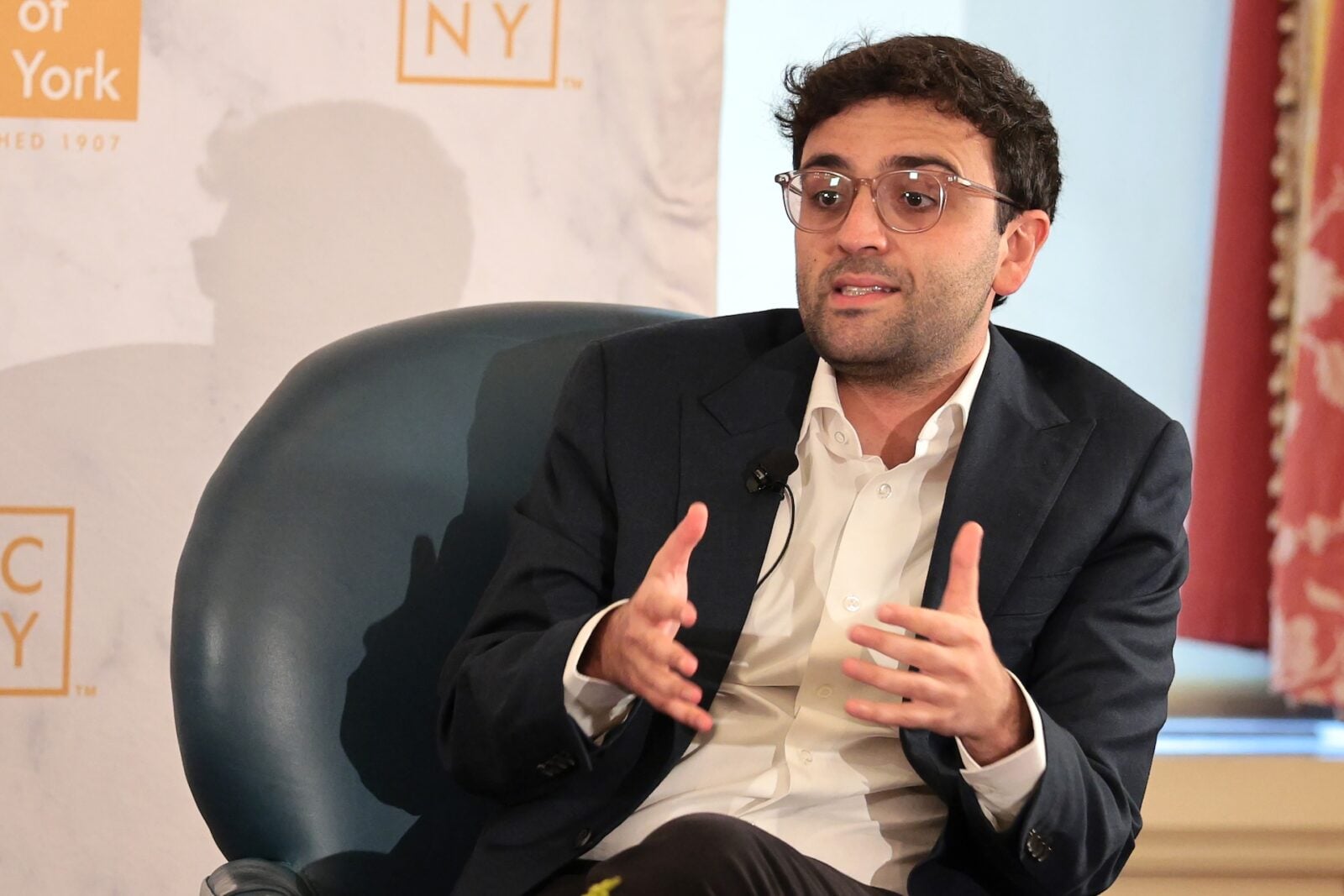
On October 28, 2026, Utah Attorney General Derek Brown filed criminal charges against prediction-market platform Kalshi Inc. and its co-founders Tarek Mansour (CEO) and Luana Lopes Lara (COO). The complaint lists one second-degree felony, twelve third-degree felonies for “online gambling promotion,” and one Class A misdemeanor for “general gambling promotion,” plus a count for “profiting from illegal activity.” The charges stem from an undercover operation in September that placed bets on sports events using a Utah-based IP address.
02
Federal Counter-Suit by the CFTC
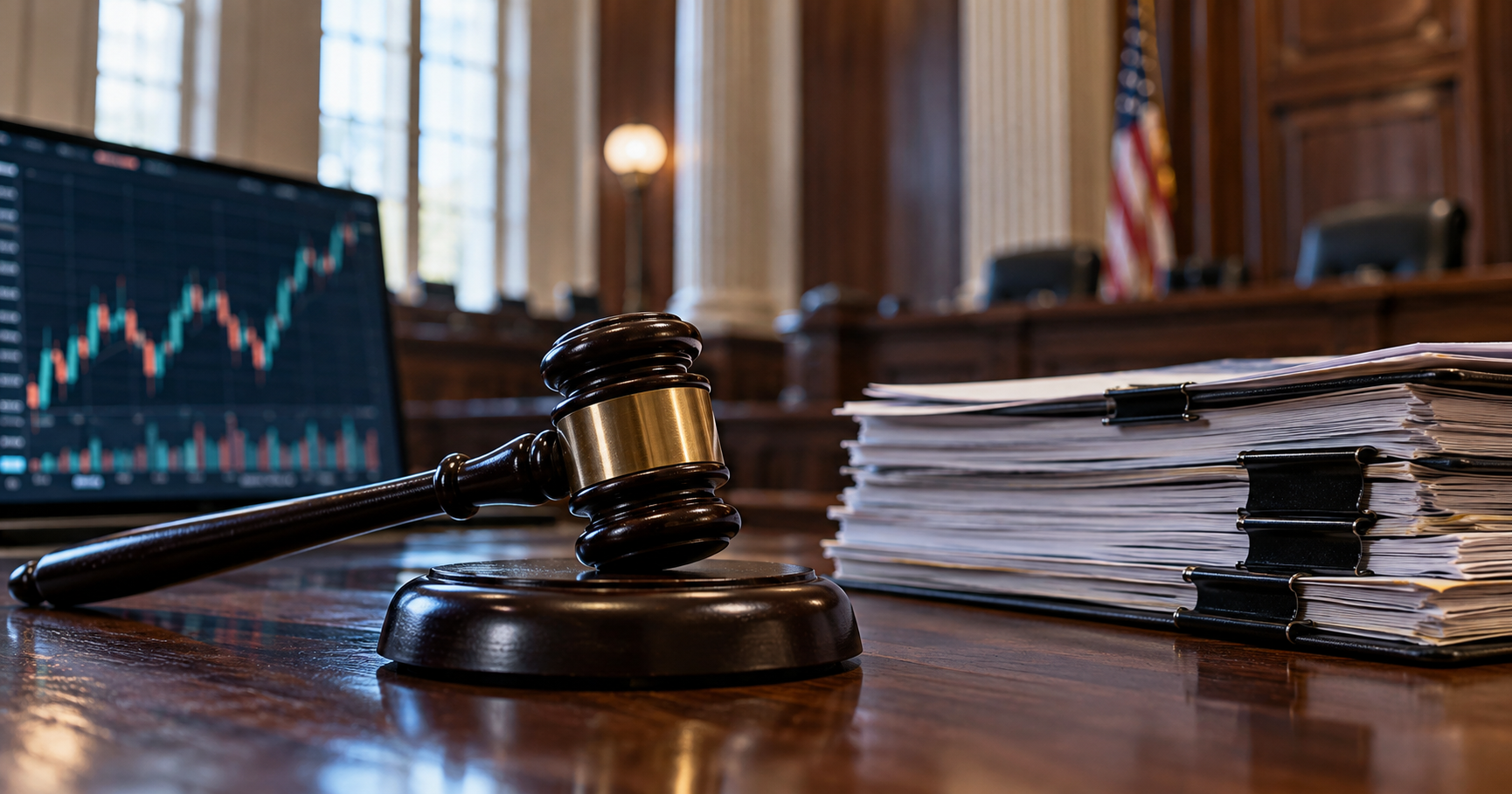
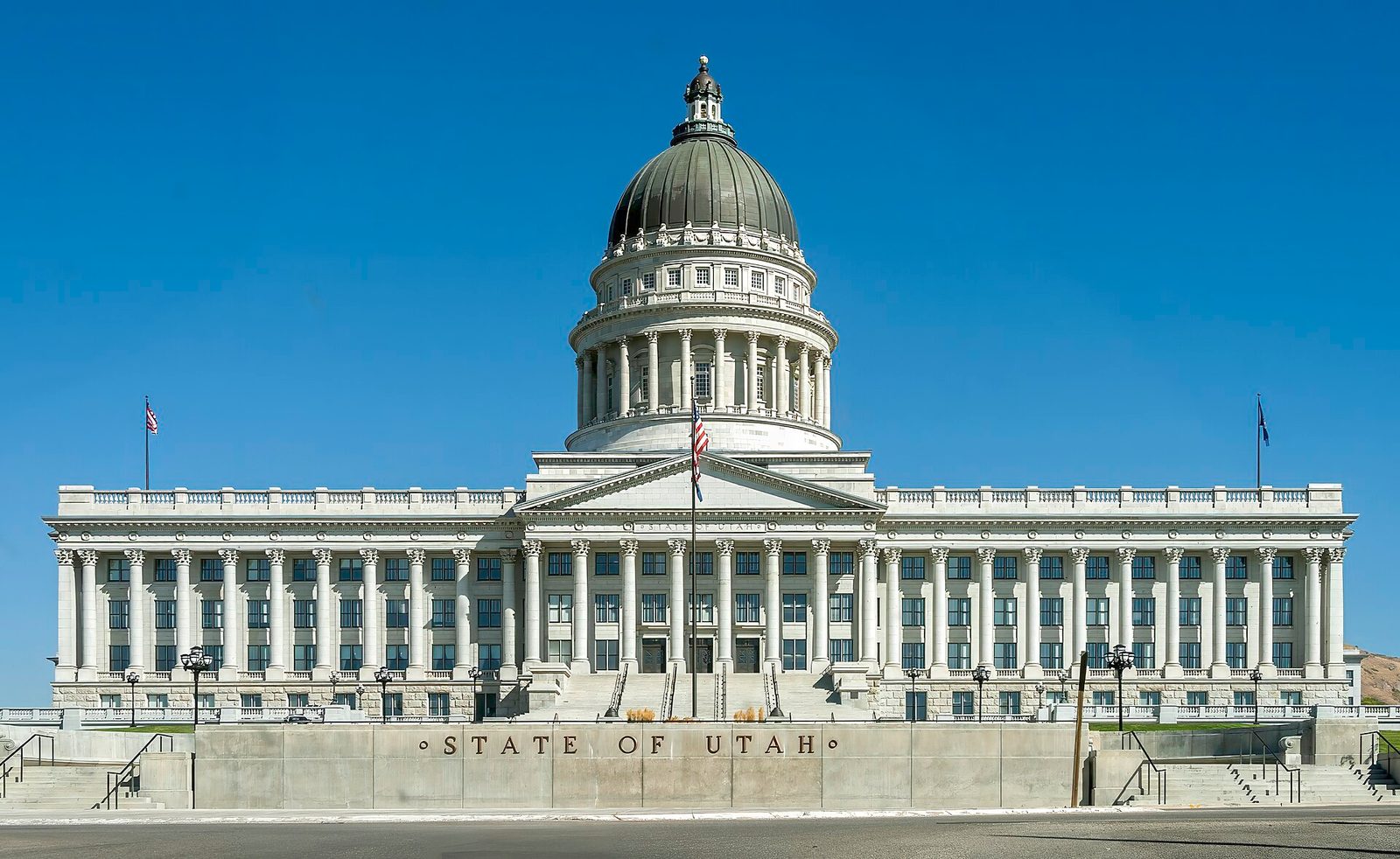
The day after the state filing, the U.S. Commodity Futures Trading Commission (CFTC) sued Utah in the U.S. District Court for the District of Utah, seeking an injunction to block the state from enforcing its anti-gambling laws against Kalshi. The CFTC argues that its exclusive jurisdiction over “event contracts” preempts state gambling statutes under the Commodity Exchange Act.
Visual evidence
Images from the story


03
Background & Context
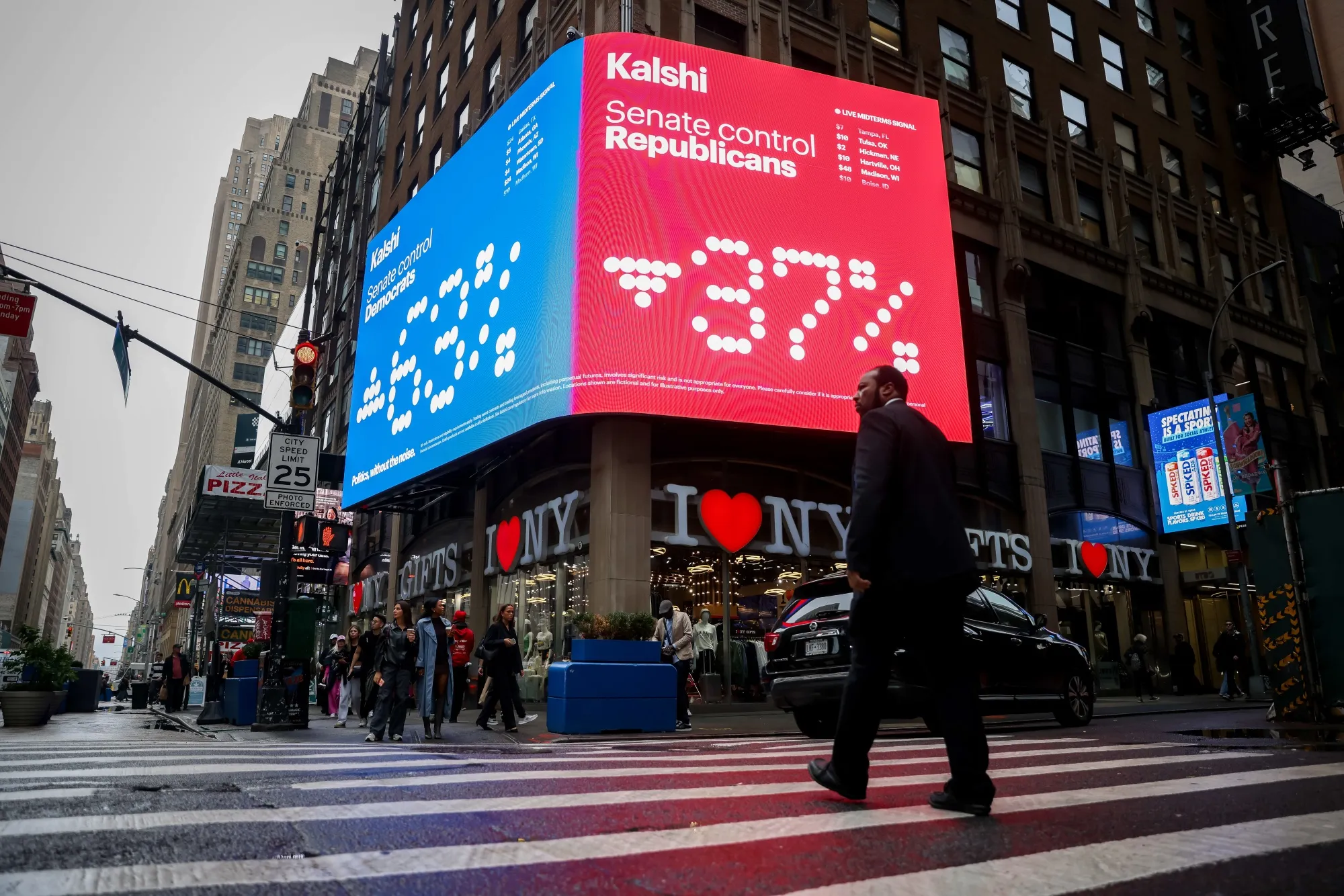
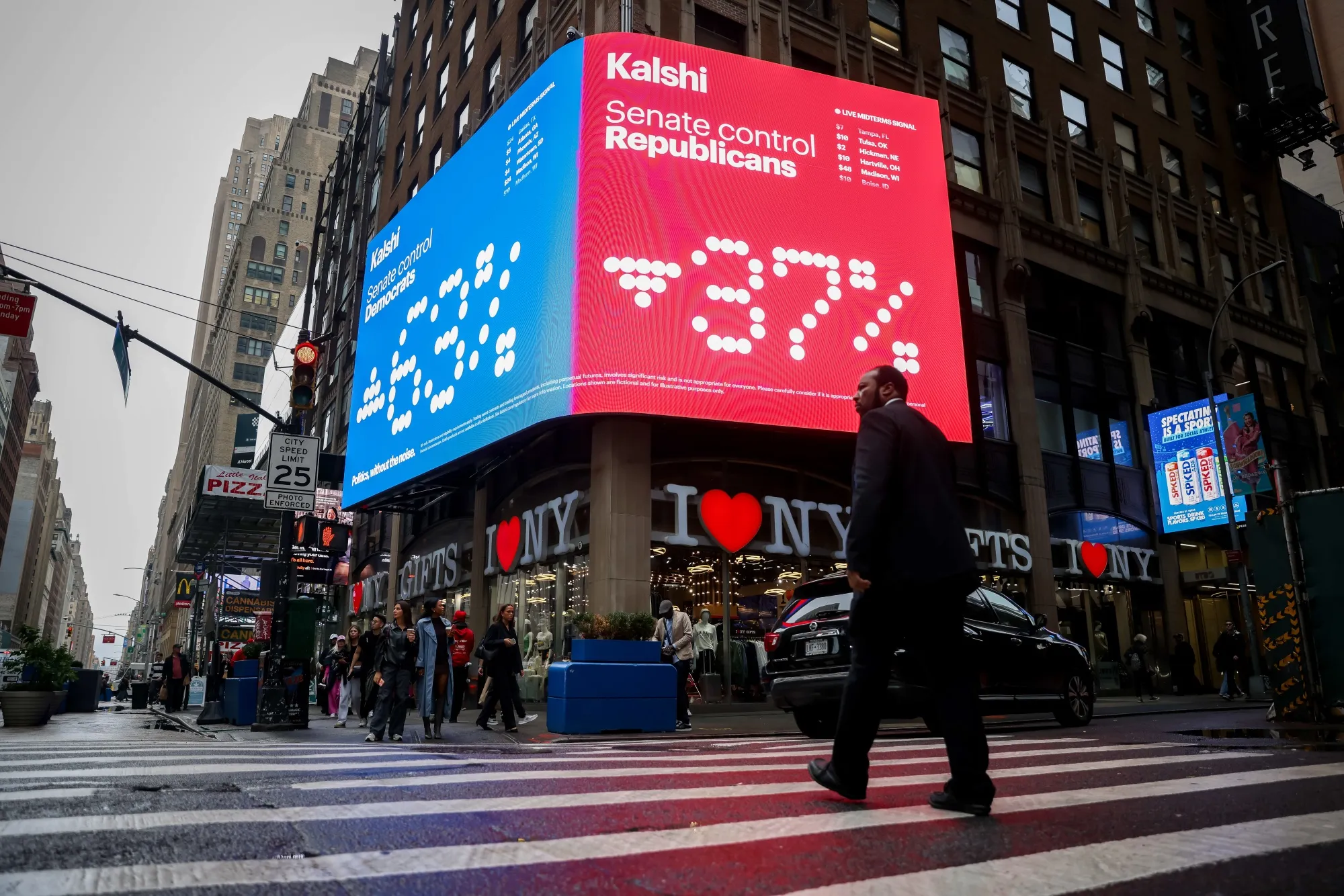
Prediction markets such as Kalshi label their products “event contracts,” arguing that users trade against each other rather than against a house. Utah, one of 11 states that have sued Kalshi, maintains a strict anti-gambling ban covering all forms of betting. Earlier civil litigation began on October 20, 2026, when Utah sought up to $60 million in alleged ill-gained profits. Arizona filed similar criminal charges in March 2024, but those counts were misdemeanors and have not proceeded to trial. Kalshi asserts that it is a federally regulated exchange and that state actions infringe on the CFTC’s authority.
04
Data & Statistics
- Criminal counts: 14 total (1 second-degree felony, 12 third-degree felonies, 1 misdemeanor).
- Undercover bets: 12 wagers placed on NFL, MLB, MLS, NHL and college football events.
- Potential penalties: Second-degree felonies carry 1–15 years imprisonment and up to $10,000 fines; third-degree felonies up to 5 years and $5,000 fines; Class A misdemeanors up to 364 days jail and $2,500 fines.
- Federal action: This is the CFTC’s tenth lawsuit against a state over prediction-market regulation.
05
Official Statements & Responses
CFTC Chairman Michael S. Selig emphasized that “Congress entrusted the CFTC to be the federal regulator with sole responsibility to oversee these markets,” warning that Utah’s enforcement would conflict with federal authority.
06
Conflicting Reports & Gaps
Sources differ on the exact felony count. Gizmodo and Bloomberg report 12 third-degree felonies, while The Guardian mentions 13 counts plus an additional charge. The Salt Lake Tribune and AP cite 14 total charges without breaking down the felony count. No source provides a definitive schedule for upcoming court dates, leaving the timeline for injunction hearings unclear.
07
What’s Next
The CFTC’s complaint requests preliminary and permanent injunctive relief to stop Utah from enforcing its gambling statutes against Kalshi. Utah’s criminal case proceeds in state court, while the federal suit moves forward in district court. Legal analysts note the dispute could reach the U.S. Supreme Court, with oral arguments potentially scheduled for early 2027 and a decision expected by the following summer. Both parties have indicated they will file additional briefs in the coming weeks.