
Full Breakdown
Federal DOJ Demands to Segregate Alleged Non-Citizen Ballots Spark Legal Battles in California and Washington
By Drooid · · How we work
In this breakdown
01
DOJ Requests to Set Aside Ballots of Alleged Non-Citizen Voters
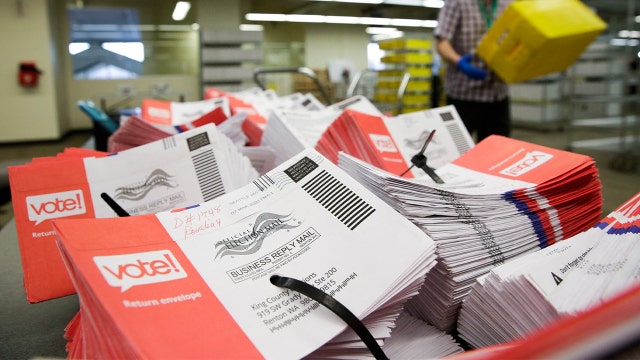
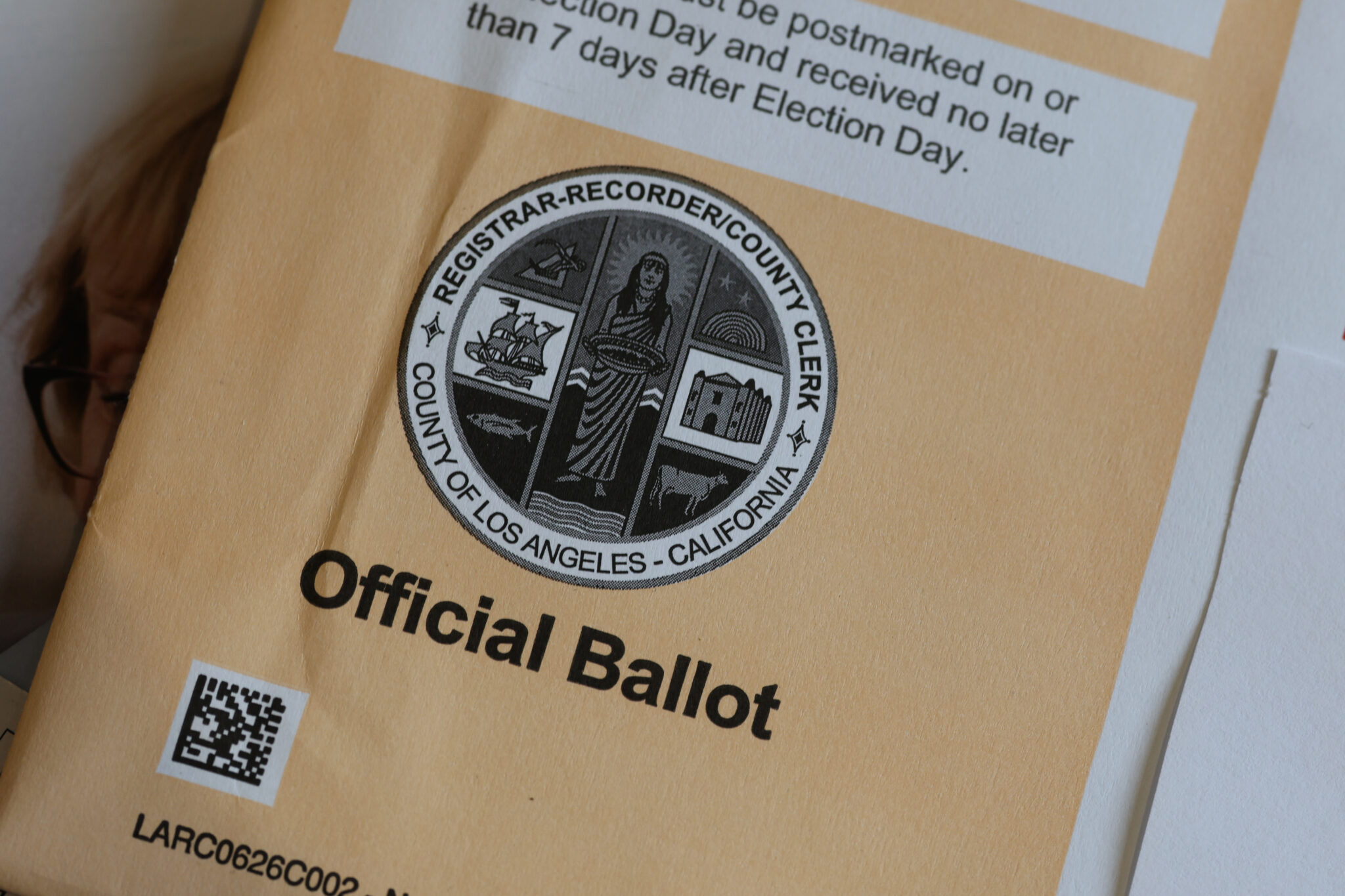
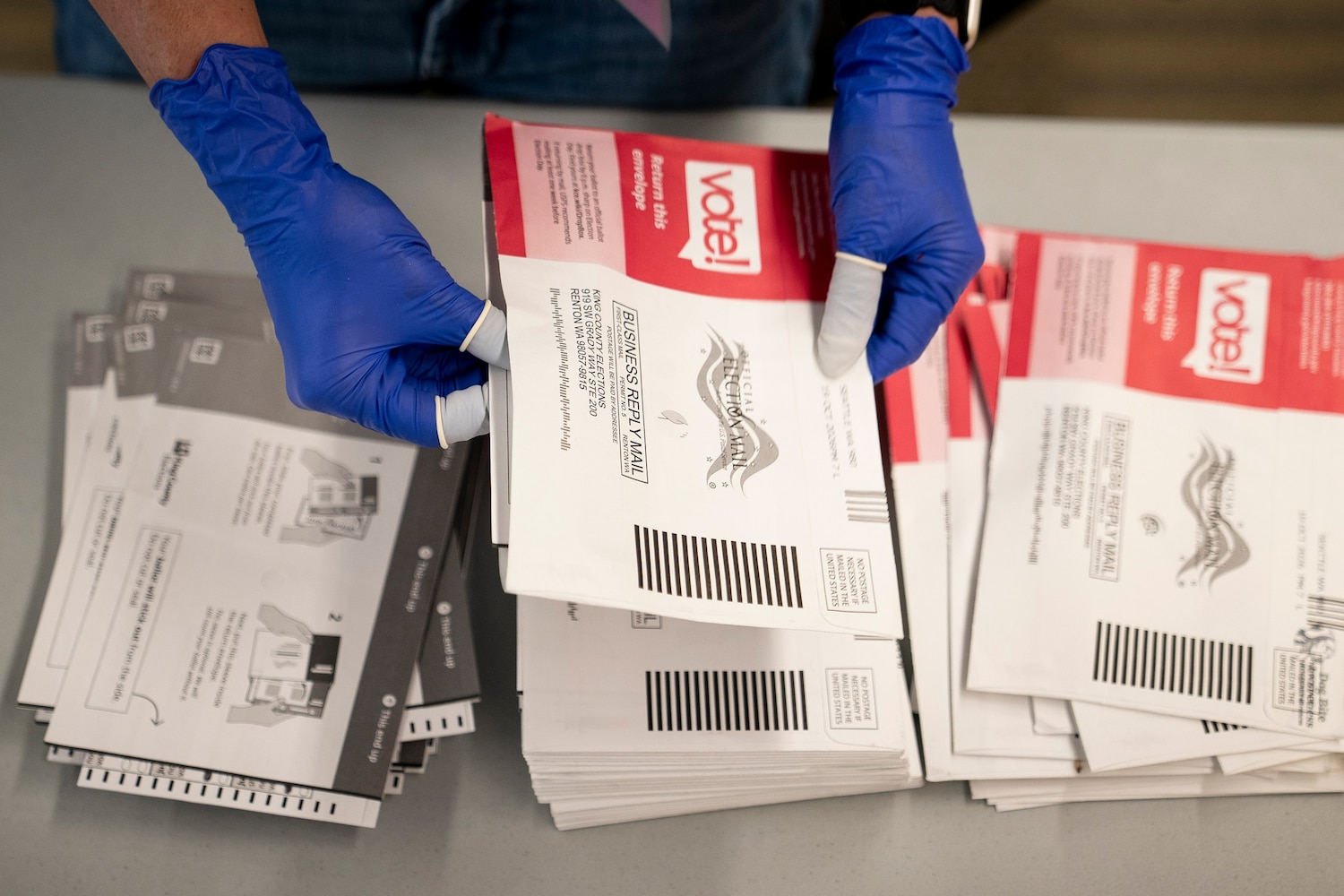
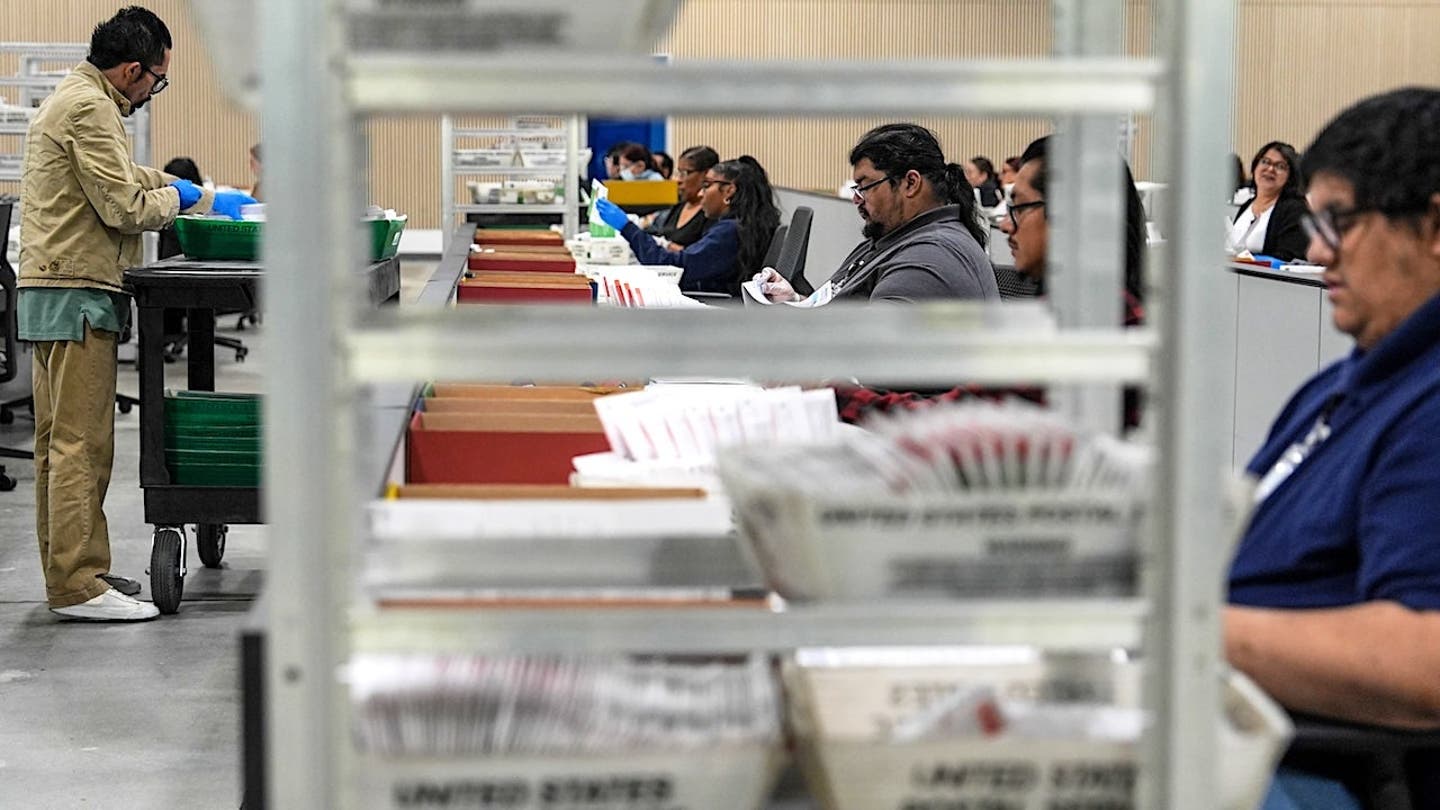
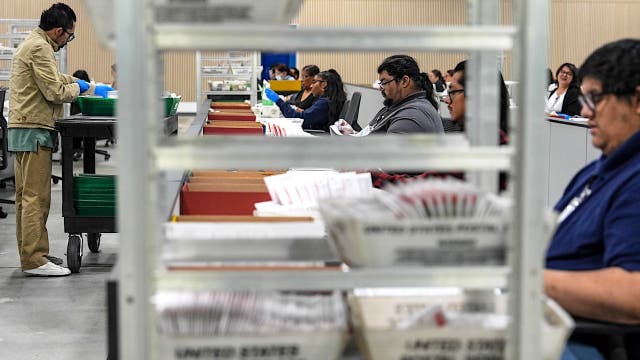
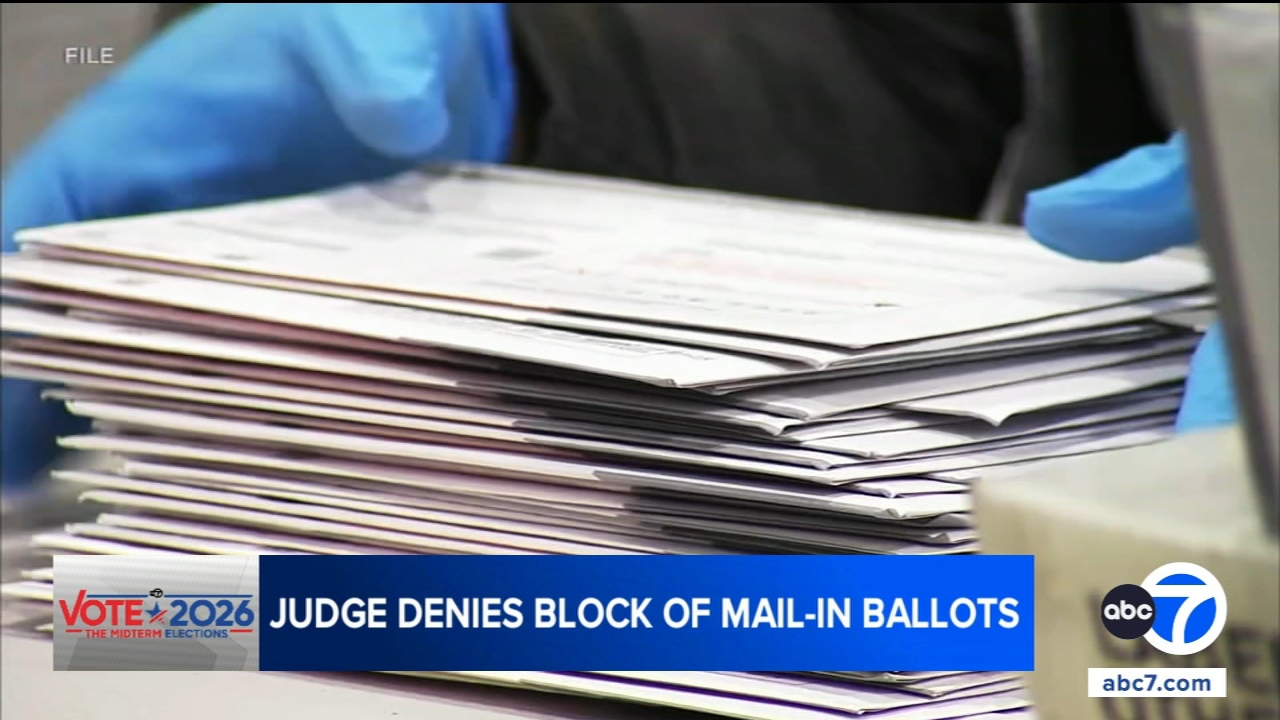
In mid-October 2026 the Justice Department, acting for the Trump administration, sent letters to election officials in California and Washington ordering mail-in ballots from people it labeled “likely non-citizens” be set aside until citizenship could be verified. The California request covered roughly 20,000 names; the Washington request listed more than 400 individuals, with the department saying about 1,500 votes had already been cast. The letters arrived less than a week before the November 3 midterm elections and gave officials 48 hours to act, threatening emergency relief if they did not comply.
Watch
Related reporting
cbsnews
Video: Former election official weighs in on DOJ suit trying to force California to set aside ballots
brightcove
US appeals court sceptical of Trump’s lawsuit over California voter rolls
02
Background & Context
The DOJ’s move is part of a federal push to curb what administration officials describe as widespread non-citizen voting—a claim that independent audits and academic studies have repeatedly found to be exceedingly rare. Earlier in 2026 the department sued California for a temporary restraining order to stop counting the 20,000 ballots. Similar letters were sent to Alaska and other battleground states, echoing a long-standing Trump-era narrative that Democratic-leaning states permit illegal voting despite scant evidence.
Visual evidence
Images from the story

03
Data & Statistics
- California: ? 20,000 alleged non-citizens; 28 individuals have been criminally charged in connection with the list.
- Washington: > 400 names; the department estimates ? 1,500 ballots were cast by those individuals.
- State audits: Washington officials report only 15 documented instances of non-citizen voting between 1982 and 2025 (? 0.000006 % of ballots).
- Public confidence: A Pew survey (Sept 28-Oct 4) found 45 % of Republican-leaning voters trusted safeguards against non-citizen voting, versus 90 % of Democratic-leaning voters.
04
Official Statements & Responses
- Acting U.S. Attorney Neil Floyd (Washington): Said the DOJ had “high confidence” that non-citizens were voting and that the 400-person list represented “the tip of the iceberg.”
- Federal prosecutors in California: Argued that failing to segregate the ballots would “dilute” lawful votes and sought an emergency injunction.
05
Criticism & Opposition
Federal judges have repeatedly rejected the DOJ’s emergency requests, calling the effort an overreach of federal authority and a threat to constitutional voting rights. Appellate judges noted the DOJ’s methodology was “vague” and that the department lacked jurisdiction to dictate state ballot-handling procedures.
06
Conflicting Reports & Gaps
- Methodology: The DOJ has not disclosed how the lists were compiled; state officials say the data lack voter-ID numbers, addresses, and contain duplicate entries.
- Accuracy: Sample reviews in Los Angeles County found more than half of a 200-person sample were born in the United States, while Washington’s preliminary check identified numerous citizens and inactive registrations.
- Scope: The DOJ claims the lists represent only a fraction of a larger problem, yet state audits and independent research show non-citizen voting to be statistically negligible.
07
What’s Next
- California: Judge David Carter is scheduled to issue a ruling after a hearing on Oct 27 2026; the 9th Circuit has already denied the DOJ’s emergency appeal.
- Washington: Secretary Hobbs indicated the review will continue, and the DOJ may issue a second list before Election Day.
- Federal appeals: Circuit Judge Mark Bennett noted on Oct 28 2026 that the DOJ’s “emergency” claim is partly self-constructed, suggesting further appellate scrutiny.
The litigation highlights a clash between a federal administration seeking aggressive enforcement of citizenship requirements and state officials defending established election-administration authority.