
Full Breakdown
Lula’s Fourth-Term Victory and a Divided Brazil
By Drooid · · How we work
In this breakdown
01
Core Event
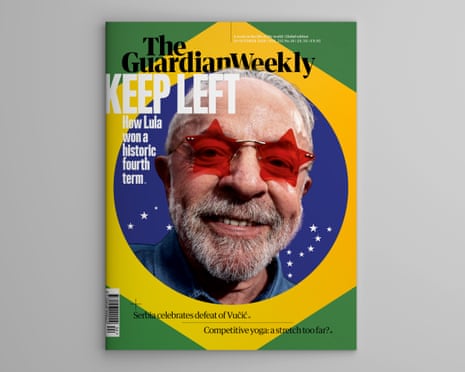
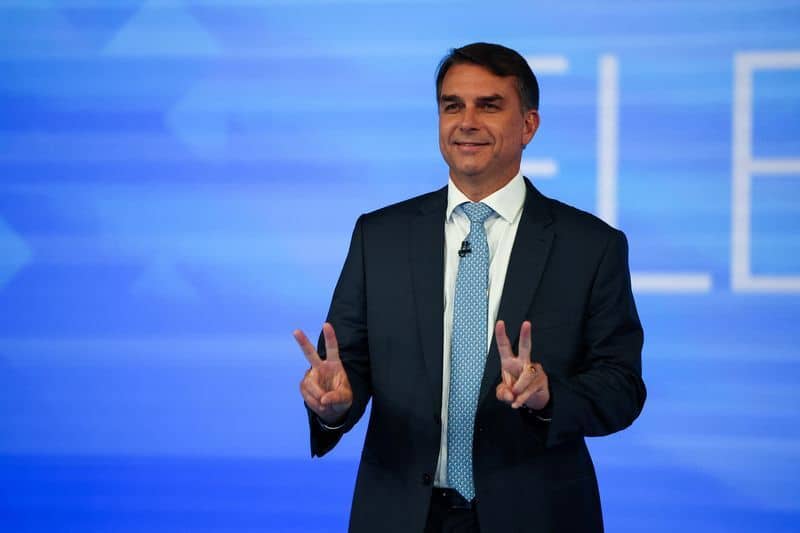
On October 25, 2026, incumbent President Luiz Inácio Lula da Silva won Brazil’s presidential runoff with 64,256,232 votes (51.79%) against Senator Flávio Bolsonaro’s 59,826,041 votes (48.21%). The margin of more than 4.4 million votes made Lula the first candidate since 1985 to win after finishing second in the first round on October 4.
Watch
Related reporting
akamaized
Lula wins Brazil election in historic comeback against Flávio Bolsonaro
02
Background & Context
Lula’s third term saw public debt rise from roughly 72 % to 83 % of GDP and a primary deficit near 0.5 % of GDP, with a nominal deficit estimated at about 9 % when high-interest rates are included. His platform combined expanded social programs—higher “Bolsa Família” payments, minimum-wage hikes, and a shorter workweek—with promises of limited fiscal consolidation.
Visual evidence
Images from the story



03
Election Results and Immediate Market Reaction
Brazil’s financial markets reacted sharply. The Ibovespa index closed about 13.9 % lower, the real depreciated roughly 8 % against the U.S. dollar, and the 10-year government-bond yield jumped 2.46 percentage points to a decade-high. The Treasury cancelled two scheduled bond auctions amid concerns over demand.
04
Political Landscape: Divided Congress and Opposition
The Liberal Party, Bolsonaro’s vehicle, secured 121 seats in the 513-member Chamber of Deputies and 28 of the 81 Senate seats, giving the broader right an estimated 59 % share of the lower house. Gilson Schwartz of the University of São Paulo noted, “Brazil has therefore elected not a left-wing political regime, but a divided government.” He warned that the contested aftermath could fuel a “transnational opposition” operating through Brazil’s conservative bloc and U.S. networks.
05
Official Statements & Responses
Brazil’s Superior Electoral Court confirmed the result, stating that the two-hour voting extension ordered by Justice Cristiano Zanin did not alter the outcome. A senior U.S. official indicated that Lula’s family would be granted visas, though the administration stopped short of formal asylum.
06
Criticism & Opposition
Flávio Bolsonaro refused to concede, initially seeking to annul the vote on grounds of extended polling hours and alleged abuse of power. He later shifted to a legal challenge described as weak but politically potent. Former President Donald Trump labeled the election “rigged,” adding diplomatic friction to an already strained U.S.–Brazil relationship.
07
On-the-Ground Reports
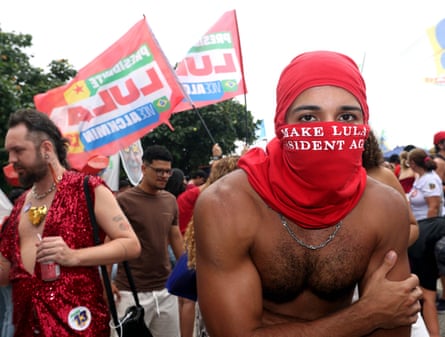
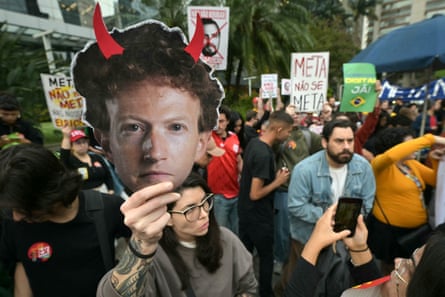
Supporters gathered on São Paulo’s Paulista Avenue and in Rio de Janeiro, chanting for democracy and displaying the national colors. Young voters highlighted digital mobilization, noting that a WhatsApp channel called “Lula’s Army” grew to nearly 11 million subscribers in the final weeks.
08
Conflicting Reports & Gaps
Market coverage varies slightly on the Ibovespa decline (13.88 % vs. 13.9 %). No other substantive discrepancies appear among the sources.
09
Verbatim Quotes
- “Brazil has therefore elected not a left-wing political regime, but a divided government,” — Gilson Schwartz, Senate
- “The danger is the emergence of a kind of transnational opposition operating simultaneously through Brazil’s powerful conservative congressional bloc and political networks in the United States,” — Gilson Schwartz, Senate
10
What’s Next
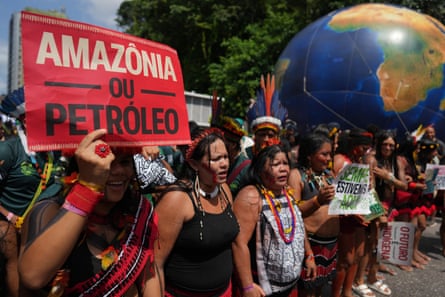
Lula must navigate a hostile Congress to implement the EU-Mercosur trade agreement provisionally in force since May 2026 and to advance his environmental agenda, which targets zero Amazon deforestation by 2030. Analysts expect his administration to seek a market-friendly finance minister and to signal fiscal adjustments that could raise the 2027 primary surplus. The political vacuum left by Flávio Bolsonaro’s flight to the United States may open space for pragmatic dialogue with right-wing legislators, but the durability of Brazil’s divided government remains uncertain.