
Full Breakdown
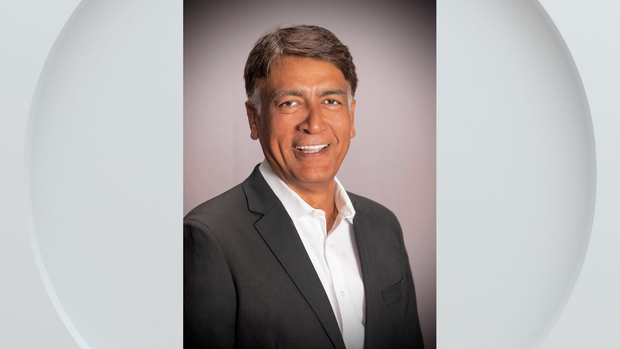
Ian Choudri Resigns as CEO of California High-Speed Rail Authority Amid Financial and Operational Scrutiny
By Drooid · · How we work
In this breakdown
01
The Resignation and Immediate Context
On October 29, 2026, the board announced Chief Executive Ian Choudri’s resignation, effective immediately, and named Joe Stephenshaw, director of the California Department of Finance, as interim CEO. Board chair Steve Kawa said the change supports “accountability and transparency” in line with the governor’s mandate.
Watch
Related reporting
cbsnews
Video: Embattled California High-Speed Rail Authority CEO Ian Choudri resigns
02
Background & Context
California voters approved a $10 billion bond in 2008 for a high-speed rail line between San Francisco and Los Angeles, originally projected at $45 billion and slated for 2020 completion. Construction began in 2015, but only a 119-mile Central Valley segment between Merced and Bakersfield is under way; the full 500-mile route remains unfunded. The authority’s 2026 business plan now estimates Phase 1 costs between $126 billion and $231 billion.
Visual evidence
Images from the story



03
Data & Statistics
- Travel-expense scandal: Investigators found nearly $600,000 in questionable reimbursements for four consulting firms, including first-class flights and leisure expenses. The Office of Inspector General reported $680,500 in unapproved expenses, $592,000 of which were deemed “unallowable.”
- Consultant reimbursements: Roughly $1.3 million has been repaid to the firms for the disputed trips.
- Executive compensation: Choudri’s 2026 salary exceeded $534,000; a $25,000 performance bonus was pending before his resignation.
- Federal funding loss: The authority lost $4 billion in federal grants after missing required deadlines.
- Financing outlook: The inspector general warned the authority could exhaust cash reserves by December 2027 without additional borrowing or private investment.
04
Official Statements & Responses
A governor’s office spokesperson reiterated the commitment to delivering the nation’s first high-speed rail system while protecting taxpayers and praised Stephenshaw’s budget experience. The Senate Transportation Committee’s vice chair called for a reassessment of the project’s viability following the leadership change.
05
Criticism & Opposition
Republican Assembly Leader Alexandra Macedo called the project “a black hole for taxpayers” and urged rigorous oversight under the interim CEO. State Senator Tony Strickland (R-Huntington Beach) labeled it a “high-speed fail” and advocated cancellation to relieve Californians paying the nation’s highest gas taxes. Vernon Chamber President Marisa Olguin warned that the final 33-mile leg from Anaheim to Los Angeles threatens 37 local businesses and more than 1,200 jobs.
06
On-the-Ground Reports
During the board’s two-day meeting, Vernon residents voiced concerns about economic and environmental impacts. The Central Valley coalition Community Alliance for a Sustainable Economy filed a lawsuit alleging the authority violated state law by proposing to relocate the downtown Merced station without legislative approval.
07
Conflicting Reports & Gaps
Sources differ on the project’s cost ceiling, citing either a $231 billion maximum or a $126 billion lower bound. The inspector general’s audit covered less than $2 million of consultant spending, leaving the full scope of questionable expenses unclear. The authority released records from only one consulting firm, citing attorney-client privilege, limiting insight into the remaining firms’ reimbursements.
08
Verbatim Quotes
- “This has not been an easy decision, as leading the Authority has been one of the most meaningful and rewarding chapters of my professional life,” — Ian Choudri.
- “Today’s news reflects the board’s commitment to accountability and transparency, consistent with the governor’s mandate,” — Steve Kawa, board chair