
Full Breakdown
John Healey’s Budget: Plugging the Defence Funding Gap and Re-affirming the 3 % GDP Target
By Drooid · · How we work
In this breakdown
01
Defence Funding Commitment – Core Event
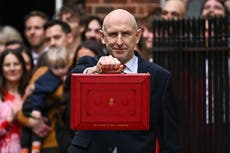
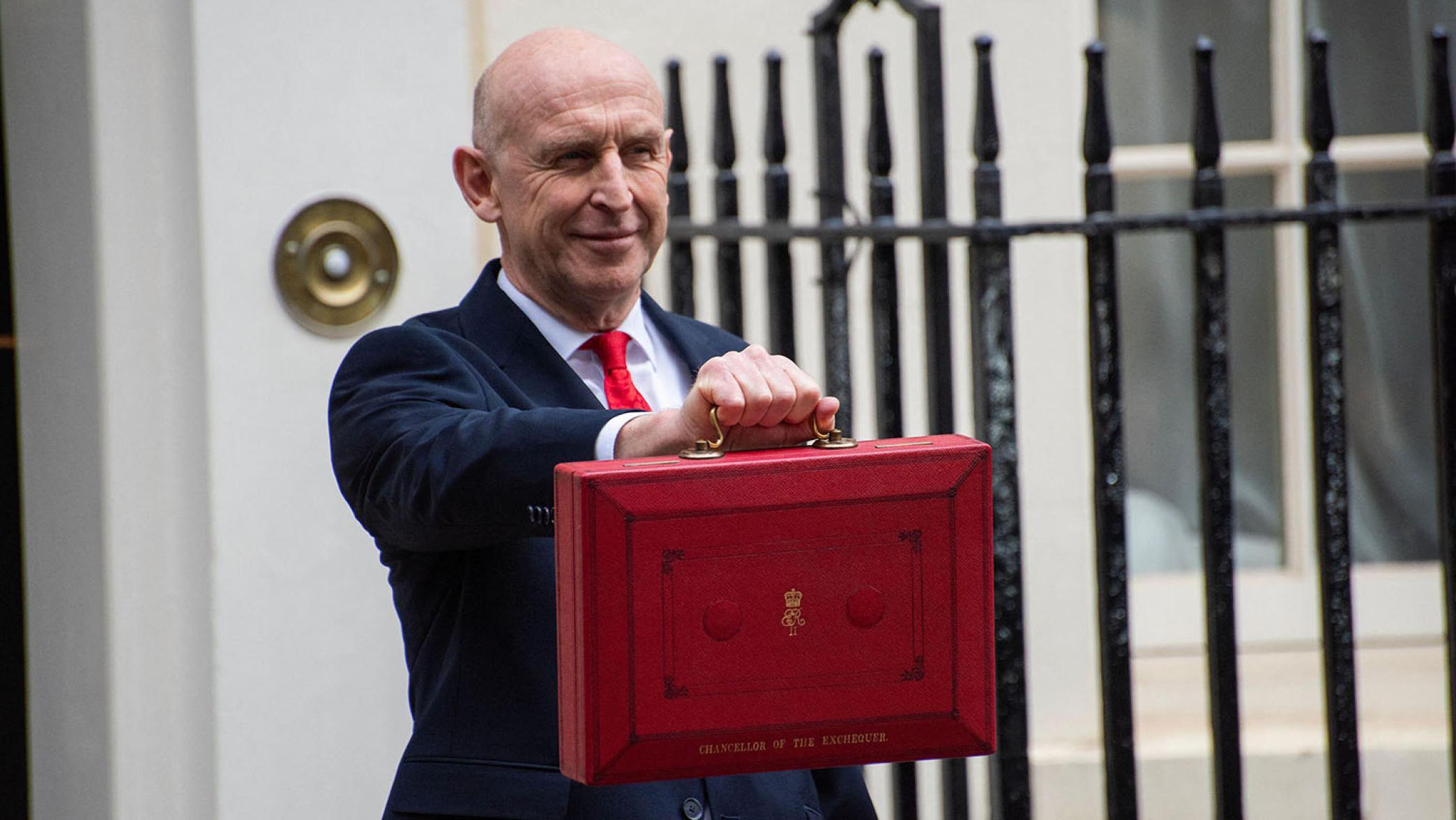
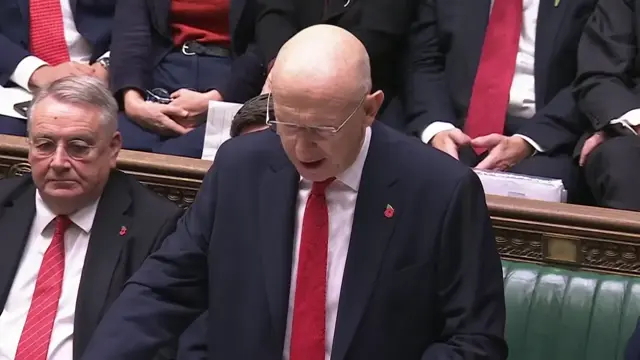
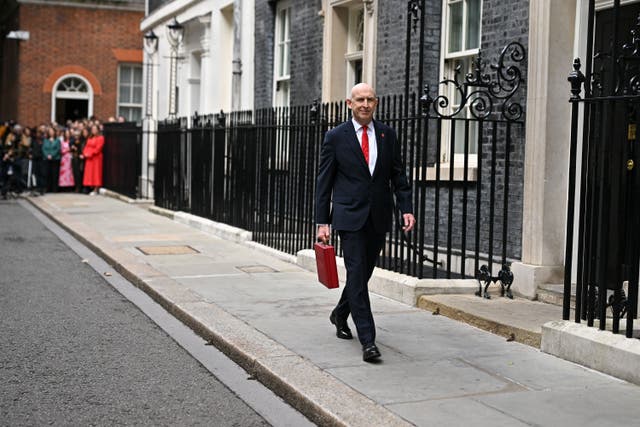
On October 28 Chancellor John Healey announced that the government will fully fund the Defence Investment Plan (DIP) by covering the remaining £4.7 billion shortfall. Funding will come from a 1 % cut in capital budgets across Whitehall departments from 2027-28 to 2029-30, plus £1.7 billion from the Treasury’s capital-reserve contingency. Healey restated the aim to spend 3 % of GDP on defence by 2030 and 3.5 % by 2035, with details to be set out at next year’s spending review.
Watch
Related reporting
ex
Healey announces measures to give people 'breathing space' on living costs
02
Background & Context
Healey resigned as defence secretary in June after warning that the previous administration had failed to fund the DIP and had not set a firm 3 % target. The DIP, launched in June 2026, totals £15 billion; £10.3 billion was funded earlier, leaving the current £4.7 billion gap.
Visual evidence
Images from the story

03
Data & Statistics
- £4.7 billion – funding gap in the DIP.
- £15 billion – total DIP cost; £10.3 billion already funded.
- £3 billion – raised by 1 % capital-budget cuts (2027-30).
- £1.7 billion – from the Treasury’s unallocated capital reserve.
- £5 billion – earmarked from the National Wealth Fund and British Business Bank for defence and dual-use technology over four years.
- £35 billion – OBR estimate of the total cost to reach the 3.5 % target by 2035.
- £17 billion – OBR estimate of extra spending needed to hit 3 % by 2029-30.
- £62.2 billion – defence outlay in FY 2025-26; projected £77 billion in FY 2028-29.
- ?60,000 jobs – projected new employment from the DIP by 2029-30.
04
Official Statements & Responses
Healey said a new Innovative Defence Financing Taskforce will explore public-private partnerships and treaty negotiations with Finland, Poland and the Netherlands.
05
Verbatim Quotes
- “Increasing investment in defence companies may contribute to the target but it is unclear how much this will lead to an increase in UK defence capabilities.” — Helen Miller, Institute for Fiscal Studies
- “What he means is that we will be meeting our commitments on defence spending within our fiscal rules; both are absolute, it’s not that one caveats the other.” — Lucy Rigby, junior treasury minister
- “This is a Labour Budget for the worker, the sole trader, the parent at the school gate, the young person desperate to start their first job or start their first business,” — Chancellor John Healey
06
Conflicting Reports & Gaps
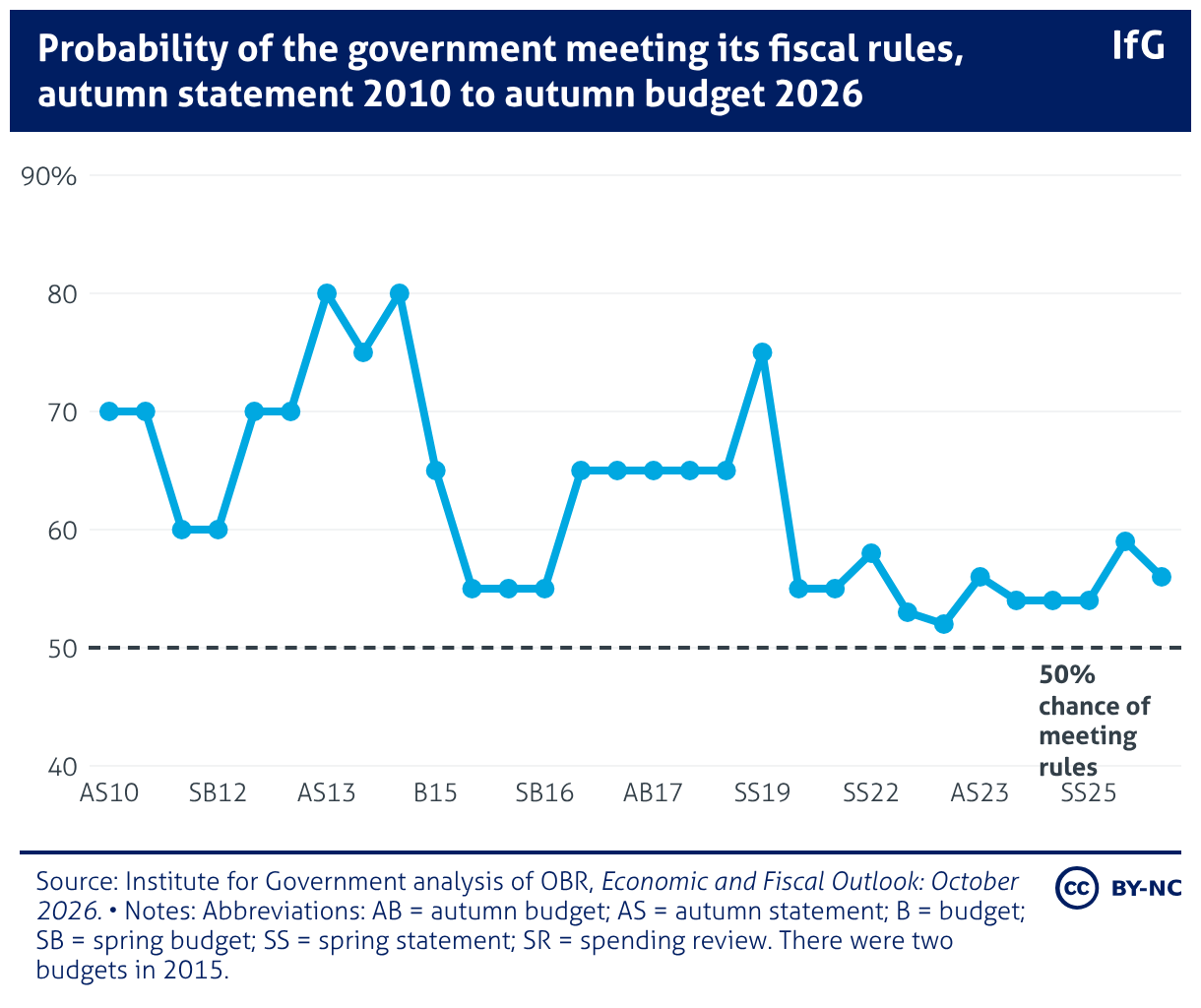
The OBR’s £35 billion cost estimate for the 3.5 % target differs from defence-sector projections that suggest a £103 billion budget would be needed by 2035. No source provides a definitive timetable for sourcing the additional £5 billion earmarked for the National Wealth Fund, leaving a gap in how the government will reconcile fiscal rules with the defence ambition.
07
What’s Next
The government will publish a detailed defence-spending roadmap at next year’s spending review, outlining financing for the 3 % and 3.5 % targets, the taskforce’s implementation, and progress on multilateral financing negotiations with European allies.