
Full Breakdown
New Study Finds Roughly Three-Quarters of Deceased National Football League (NFL) Players Likely Had CTE
By Drooid · · How we work
In this breakdown
01
Core Event
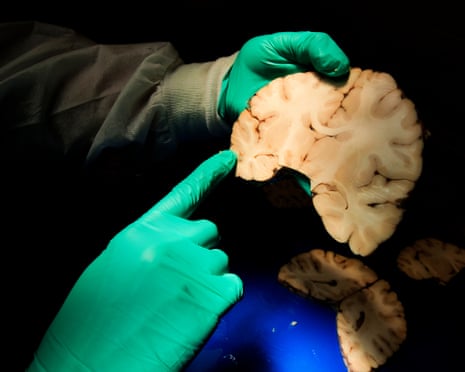
Researchers at Boston University, Mass General Brigham and the Concussion & CTE Foundation published a JAMA Network Open analysis on October 28, 2026 estimating that 74.5 % of the 2,362 former NFL players who died between 2008 and 2023 showed chronic traumatic encephalopathy (CTE) neuropathology. The estimate adjusts for the fact that families of players with cognitive symptoms were about five times more likely to donate brains. Among the 396 brains donated, 362 (94 %) had CTE.
Watch
Related reporting
cbsnews
Video: CBS News Boston
cbsnews
Video: Study estimates 75% of NFL players who died in recent years had signs of CTE
02
Background & Context
Earlier work published in August 2026 in the BMJ reported a prevalence range of 25 %–98 % for the same cohort, reflecting uncertainty about selection bias. The new study links the UNITE brain-bank data with National Death Index records, providing a population-level prevalence figure for the first time.
Visual evidence
Images from the story





03
Data & Statistics
- Deceased players examined: 2,362
- Brain donors: 396 (? 17 % of the cohort)
- Donors with CTE: 362 (94 %)
- Adjusted overall prevalence: 74.5 % (? 1,760 players)
- Estimated dementia prevalence: 27.2 %
Sensitivity analyses with more conservative assumptions still yielded a minimum estimate above 60 %.
04
Why It Matters / Impact
CTE is linked to repetitive head impacts; its prevalence in general-population brain banks is < 1 %. The findings highlight a substantial public-health burden for former professional football players and suggest current safety measures may not fully mitigate long-term risk. Researchers note the disease is preventable if exposure to head impacts is reduced, underscoring the need for earlier-age safety interventions and better diagnostic tools for living athletes.
05
Criticism & Opposition
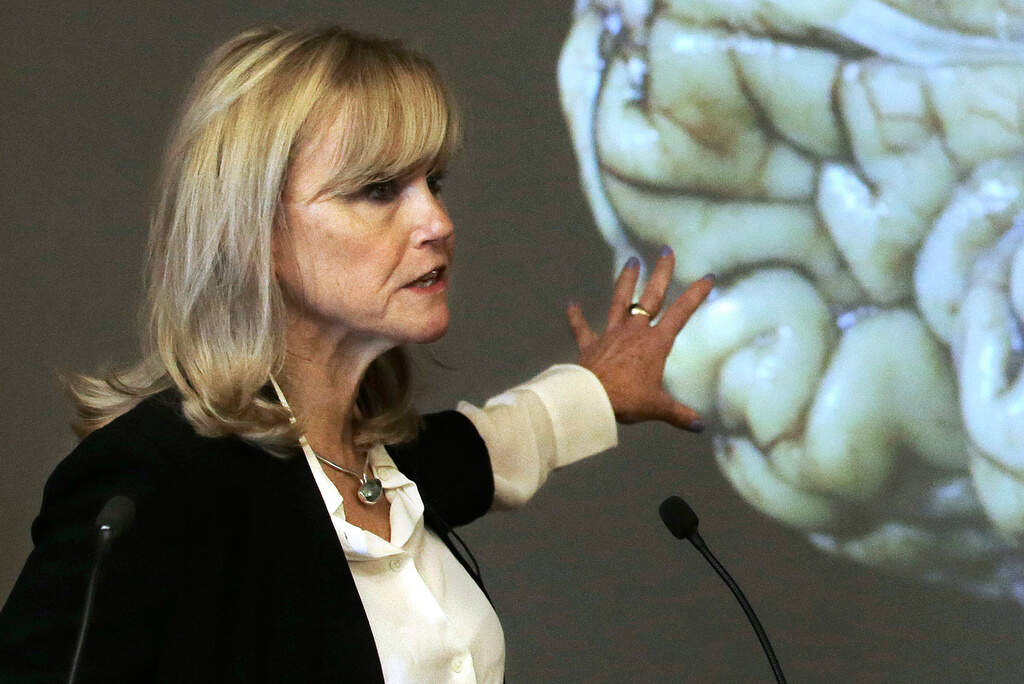
Dr. She also warned that “those who died earlier who had CTE may have been more likely to die due to CTE-related diseases, which may not be reflective of those who will still live for many years.”
06
On-the-Ground Reports
He urged the football community to use the data as a “scouting report” to improve safety for future generations.
07
Conflicting Reports & Gaps
- August 2026 BMJ analysis estimated a minimum of 25 % prevalence, with a possible maximum near 98 %.
- Earlier autopsy-only studies reported CTE in up to 99 % of donated brains, but those samples were heavily biased toward symptomatic individuals.
- The current estimate applies only to deceased players; prevalence among living former players, active athletes, or participants at the college and youth levels remains unknown.
08
Verbatim Quotes
- “It’s hard to learn what the guys who built the game have suffered through,” — Matt Hasselbeck, 18-year NFL veteran
- “No other environmental or occupational exposure ever studied is known to have increased dementia risk at death by that amount,” — Yorghos Tripodis, senior author
- “CTE is a preventable disease. We find, in study after study, that the more blows to the head over your lifetime, the higher the risk of CTE,” — Yorghos Tripodis, senior author