
Full Breakdown
Spain’s High-Speed Train Collision Deepens Political and Safety Crisis
By Drooid · · How we work
In this breakdown
01
Core Event: Fatal Collision Near Urda
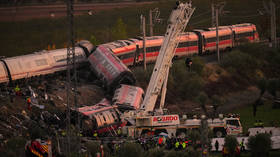
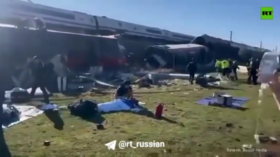
On October 28, 2026, a Renfe high-speed train collided with a stationary Iryo train near Urda, Toledo. The impact ripped several carriages from the tracks, killing dozens and injuring many more. Rescue crews worked through the night to recover bodies and identify remains.
02
Background & Context
Spain’s high-speed network, the world’s second-largest after China, had operated without a fatal accident for more than three decades. Earlier in January 2026, a separate crash in southern Spain killed 46 people. The October collision marks the second major disaster on the same line within a year, reviving concerns about a system that carried 45 million passengers in 2025.
Visual evidence
Images from the story
03
Timeline
- January 2026 – First fatal high-speed crash (46 deaths).
- October 28, 2026 – Collision near Urda; death toll rises (see Conflicting Reports).
- October 28, 2026 – Prime Minister Pedro Sánchez visits the site and pledges an investigation.
- October 5, 2026 – Sánchez calls a snap election.
- November 29, 2026 – Scheduled national election.
04
Data & Statistics
- Reported fatalities: 69, 68, at least 64.
- Hospitalized survivors: 50.
- High-speed rail length: ~4,000 km.
- Ridership decline: 15 % in the first half of 2026 versus 2025 (Spain’s competition authority).
05
Official Statements & Responses
Prime Minister Pedro Sánchez called the incident “a terrible tragedy” and promised a thorough investigation, saying safety improvements would be made if needed. Transport Minister Óscar Puente blamed an “inexplicable” order after a 63-km signalling failure, arguing the RENFE train should not have been released while a stop signal remained active. Both officials declined to comment on potential resignations.
Opposition leader Alberto Núñez Feijóo demanded a full investigation and urged respect for victims. Vox leader Santiago Abascal linked the tragedy to broader grievances against the government.
06
Criticism & Opposition
- Frente Amplio demanded political accountability beyond technical responsibility.
- Santiago Abascal (Vox) called for the resignation of Sánchez and Puente.
- Paco Camas, Ipsos public-affairs director, warned the crash forces a shift from the government’s “triumphalist rhetoric” to a more sober tone.
07
Conflicting Reports & Gaps
Sources differ on the death toll: ABC News reports 69, Straitstimes 68, and DW at least 64. No official figure has been released, and investigators have not confirmed the precise sequence of events. Audio recordings obtained by *El Pais* suggest possible breaches of safety protocols, but the central command’s rationale remains unverified.
08
Why It Matters
The collision occurs weeks before the November 29, 2026 election, intensifying scrutiny of Sánchez’s administration. Public confidence in the high-speed rail system—a political asset for the Socialists—has eroded, with polls showing a majority perceiving a decline in rail safety. The Madrid-Seville line remains shut and RENFE has halted online ticket sales for the route until mid-December.
09
What’s Next
The Transport Ministry says an investigation is ongoing; a preliminary report has identified a rail fracture that may have preceded the derailment. No timeline for final findings has been provided. The upcoming election will test the government’s ability to retain public trust amid the crisis.