
Full Breakdown
Jordan Airstrikes in Southern Syria Spark Diplomatic Rift and Public Outcry
By Drooid · · How we work
In this breakdown
01
The Strike and Immediate Aftermath
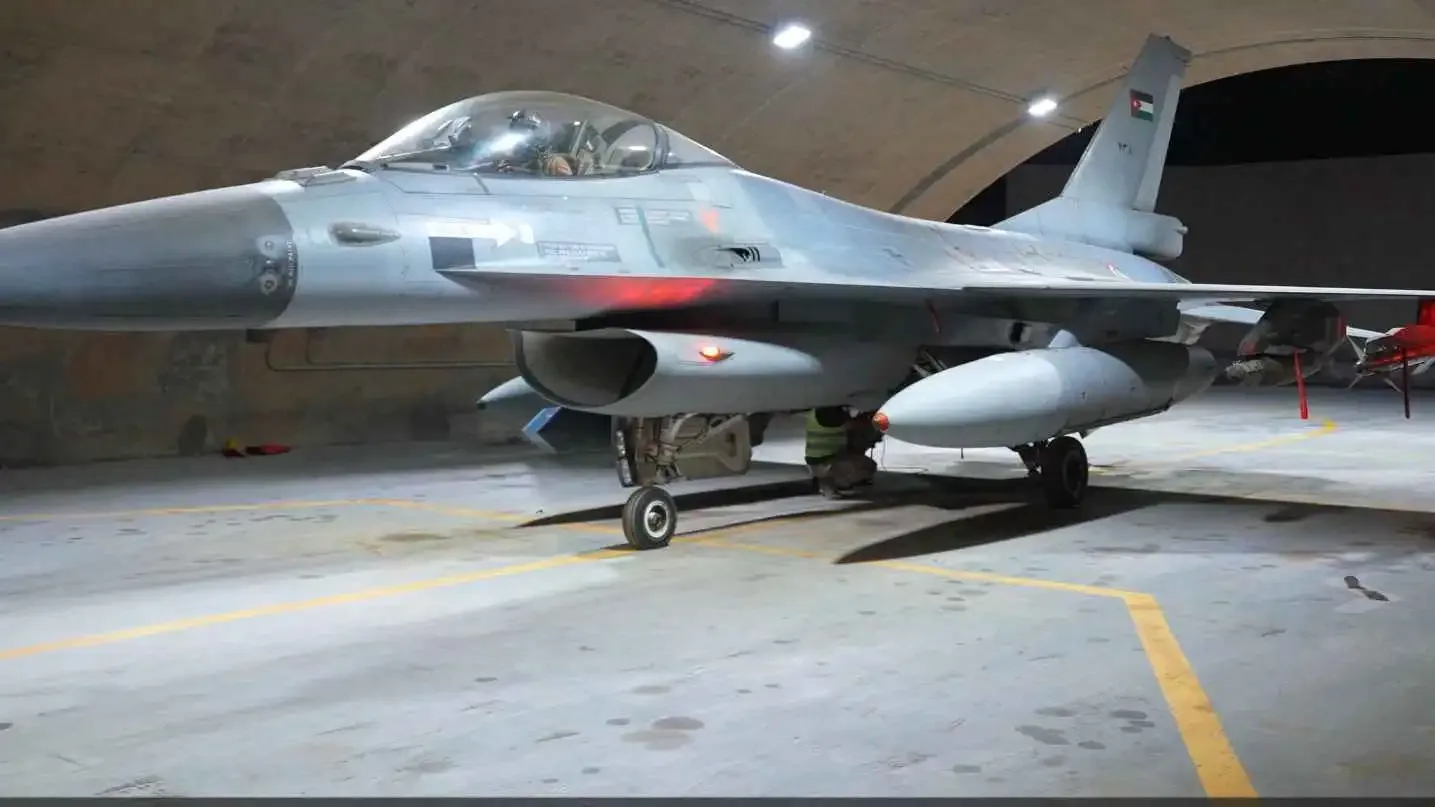
On Monday evening Jordan’s air force struck sites in the Deraa and Suwayda provinces of southern Syria. Jordanian officials said the operation targeted “militant hideouts” linked to the Friday attack on a Greek Orthodox church in Karak that killed nine people and wounded more than twenty-four. Syrian civil-defence officials reported that the strikes killed at least seven civilians—including a woman, three children and a 65-year-old man—in a tent in al-Taff, and that additional civilians were wounded. Separate reports listed an 80-year-old man in al-Shayah farms and a 60-year-old man in Suwayda as also killed.
Watch
Related reporting
youtube
LIVE: Israel's election results
brightcove
Damascus, Amman contradict each other on attack that killed civilians
02
Background & Context
The church attack, claimed by an unnamed extremist group, was one of the deadliest assaults on Jordan’s Christian minority in recent years. Jordan arrested three Jordanian men—brothers Hazzah Zaidan Mohammad and Mishal Zaidan Mohammad and their brother-in-law Ahmad Sami Hussein—after a shootout in an abandoned house. Jordan has carried out several cross-border airstrikes since 2023, typically aimed at arms or drug smugglers in southern Syria. Relations between Amman and Damascus have been tentative since the fall of Bashar al-Assad’s regime in December 2024, with both sides citing shared interests in border security and trade.
Visual evidence
Images from the story


03
Data & Statistics
- Church attack casualties: 9 dead, >20 injured.
- Syrian reports of airstrike casualties: 7 civilians killed in al-Taff tent; 1 civilian killed in al-Shayah farms; 1 civilian killed in Suwayda; 3 additional civilians wounded.
- Jordanian claim of “many members of terrorist groups” killed and wounded; no precise numbers disclosed.
04
Official Statements & Responses
- Jordan’s armed forces said the strikes were a direct response to the Karak church attack and targeted “terrorist groups.”
- Interior Minister Mazen Al-Faraya called the church attackers “terrorists” and warned of further incidents if the ideology persists.
- King Abdullah II ordered an “iron-fist” response, pledging that “terrorists will not escape punishment.”
- Syria’s foreign ministry announced the closure of the Nasib border crossing with Jordan, later reopening it for passenger and commercial traffic, and said it was opening an investigation and communication channels with Jordan.
05
Criticism & Opposition
Navvar Saban, a researcher at the Arab Center for Contemporary Syrian Studies, warned that the lack of transparent accountability could fuel public anger in Syria.
06
Conflicting Reports & Gaps
- Jordan’s military statements do not provide a civilian casualty count, whereas Syrian civil-defence reports list specific civilian deaths and injuries.
- No group has claimed responsibility for the church attack, and the precise identity of the “terrorist organizations” targeted in Syria remains unspecified.
07
Verbatim Quotes
- “Jordan has absorbed many terrorist attacks before, but this one was especially brazen given the Christian church and the nature of the event being targeted,” — Sean Yom, expert on Jordan at Temple University
- “Both governments have something to defend politically,” — Navvar Saban
08
What’s Next
Syria’s foreign ministry indicated that a joint security committee with Jordan is being coordinated to strengthen border security and prevent similar incidents. Both governments have expressed a desire to maintain cooperation despite the dispute, suggesting that diplomatic engagement will continue while investigations proceed.