
Full Breakdown
Plastic Tea Bags Release Thousands of Microplastics and Hormone-Disrupting Chemicals per Cup
By Drooid · · How we work
In this breakdown
01
New Study Highlights Core Findings
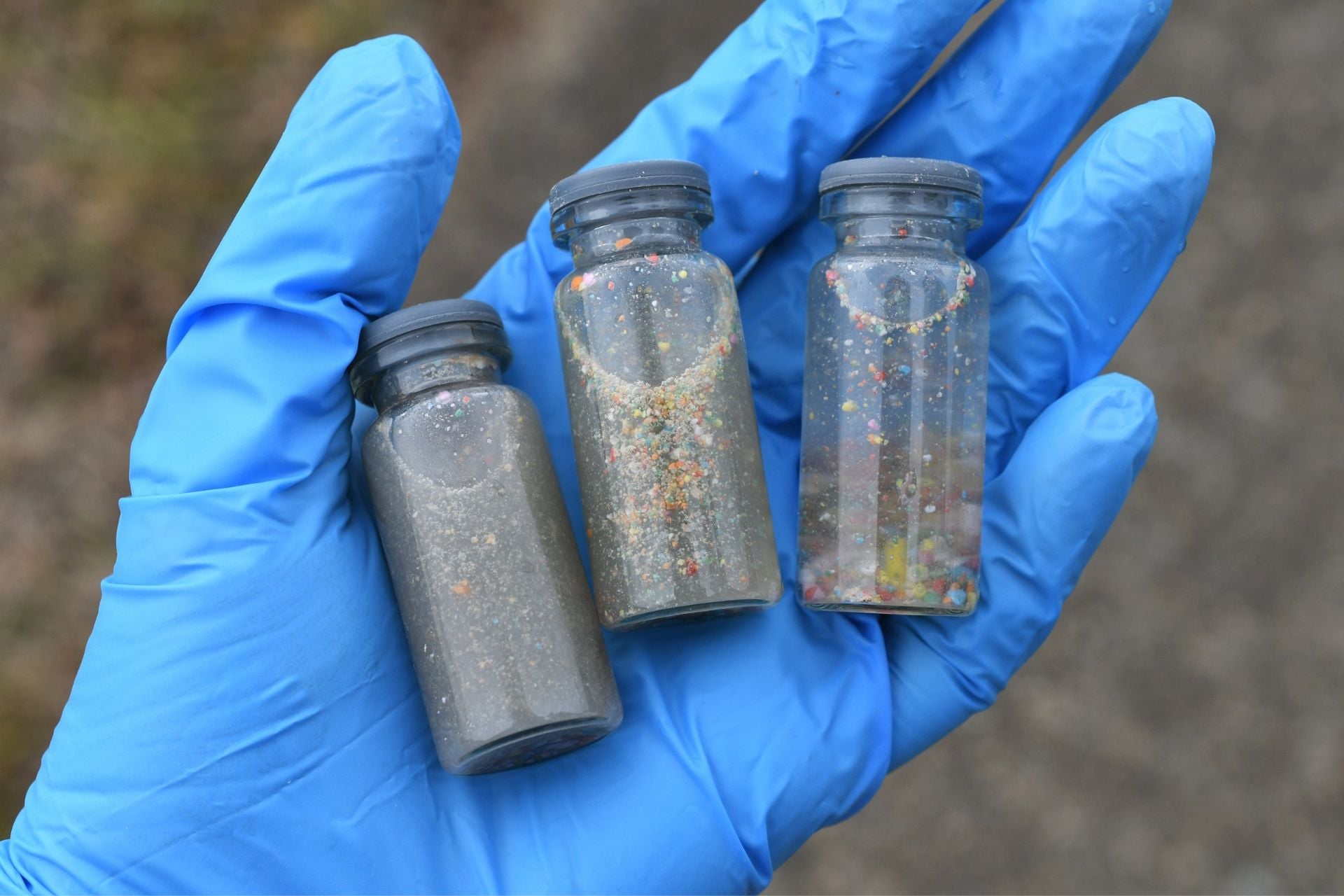
Researchers at Recep Tayyip Erdogan University in Turkey compared tea brewed from 14 brands that use plastic-mesh bags with 14 loose-leaf brands. Steeping at roughly 203 °F (95 °C) for three minutes released 555 to 2,498 microplastic particles per cup from plastic-bag teas, versus 0.3 to 2.4 particles from loose-leaf teas. Infrared spectroscopy identified the particles as polyamide fibers, confirming the bags as the source. All plastic-bag samples contained bisphenol A (BPA) and several ortho-phthalates; BPA levels could reach 21.7 % of the EFSA tolerable daily intake, a “critical warning” for pregnant women and children.
02
Background & Context
Microplastics—fragments smaller than 5 mm—appear in air, water and up to 60 % of the global food supply. Prior research suggested synthetic tea bags might introduce billions of micro- and nanoplastics into a cup. This study, published in *npj Science of Food*, provides the first quantitative comparison between plastic-bag and loose-leaf teas using a detection threshold of particles larger than 100 µm, meaning actual exposure could be higher.
Visual evidence
Images from the story


03
Data & Statistics
Swipe across the table to see all columns.
| Metric | Plastic-Bag Tea | Loose-Leaf Tea |
|---|---|---|
| Microplastic particles per cup | 555 – 2,498 | 0.3 – 2.4 |
| BPA intake as % of EFSA TDI | 4.5 % – 21.7 % | Not detected |
| Presence of ortho-phthalates | Detected in all samples | Minimal background |
| Microplastics in bulk tea (per kg) | 146 – 1,178 particles/kg | — |
The researchers note the risk of endocrine disruption at these doses is “negligible,” but DEHP may pose a long-term cancer risk under high-volume consumption.
04
Official Statements & Responses
- Waste Loop, an environmental nonprofit, identified Tazo, Celestial Seasonings and Twinings as brands whose bags contain plastic, while many companies are moving toward plastic-free options.
- PlasticDetox.org lists Organic India, Traditional Medicinals and Yogi as using plastic-free bags.
- Industry sources report a shift from petroleum-based plastics to polylactic acid (PLA), a plant-derived bioplastic, though PLA bags can still shed microplastics.
05
Criticism & Opposition
Some health experts argue that existing European safety limits for BPA and phthalates may be outdated.
06
Conflicting Reports & Gaps
- Scale of contamination: A 2019 study estimated billions of particles per cup, whereas the current research reports hundreds to a few thousand, reflecting methodological differences.
- Health risk assessment: Turkish researchers deem endocrine effects “negligible” but highlight DEHP’s potential long-term cancer risk, creating uncertainty about overall safety.
- Geographic relevance: The study sampled teas primarily sourced in Turkey, while U.S. consumers often drink teas from Japan, India, Argentina and China, where bag materials may differ.
07
Why It Matters
Microplastics have been linked to inflammation, neurotoxicity and cellular damage in laboratory studies. BPA and phthalates are endocrine disruptors that can affect fetal development, metabolism and reproductive health. For pregnant women, children and heavy tea drinkers, exposure from plastic-bag tea could represent a notable portion of daily allowable BPA intake and introduce a carcinogenic plasticizer (DEHP). The findings also raise concerns about food-grade polymer stability under high temperatures.
08
Recommendations & Future Directions
The authors call for stringent oversight of the thermal stability of food-grade polymers and adhesives used in tea-bag manufacturing. Consumer guidance suggests opting for loose-leaf tea or brands verified as plastic-free to minimize exposure. Further research should quantify nanoplastic release and evaluate long-term health outcomes associated with chronic consumption of contaminated tea.