
Full Breakdown
Ebola Outbreak in the Democratic Republic of Congo Surpasses 10,000 Cases
By Drooid · · How we work
In this breakdown
01
The Outbreak Reaches a Milestone
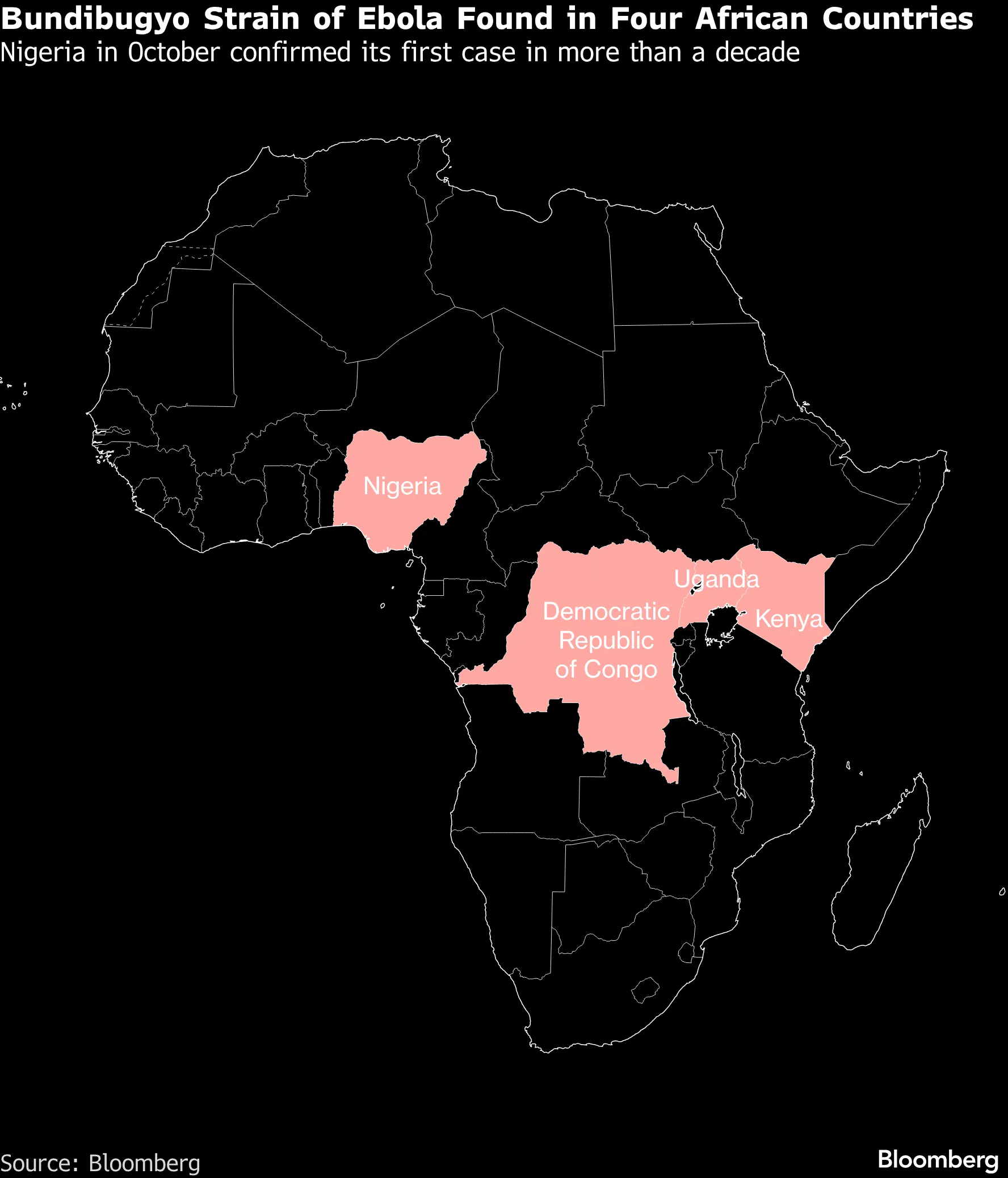
The Democratic Republic of Congo’s Ebola epidemic, declared on May 15, has exceeded 10,000 confirmed infections. Government data released on Oct 27 recorded 10,060 cases and 4,887 deaths, making it the deadliest outbreak in the country’s history and the second-largest worldwide after the 2014-2016 West African epidemic. The rare Bundibugyo strain has spread to eight provinces and to at least five other countries.
Watch
Related reporting
brightcove
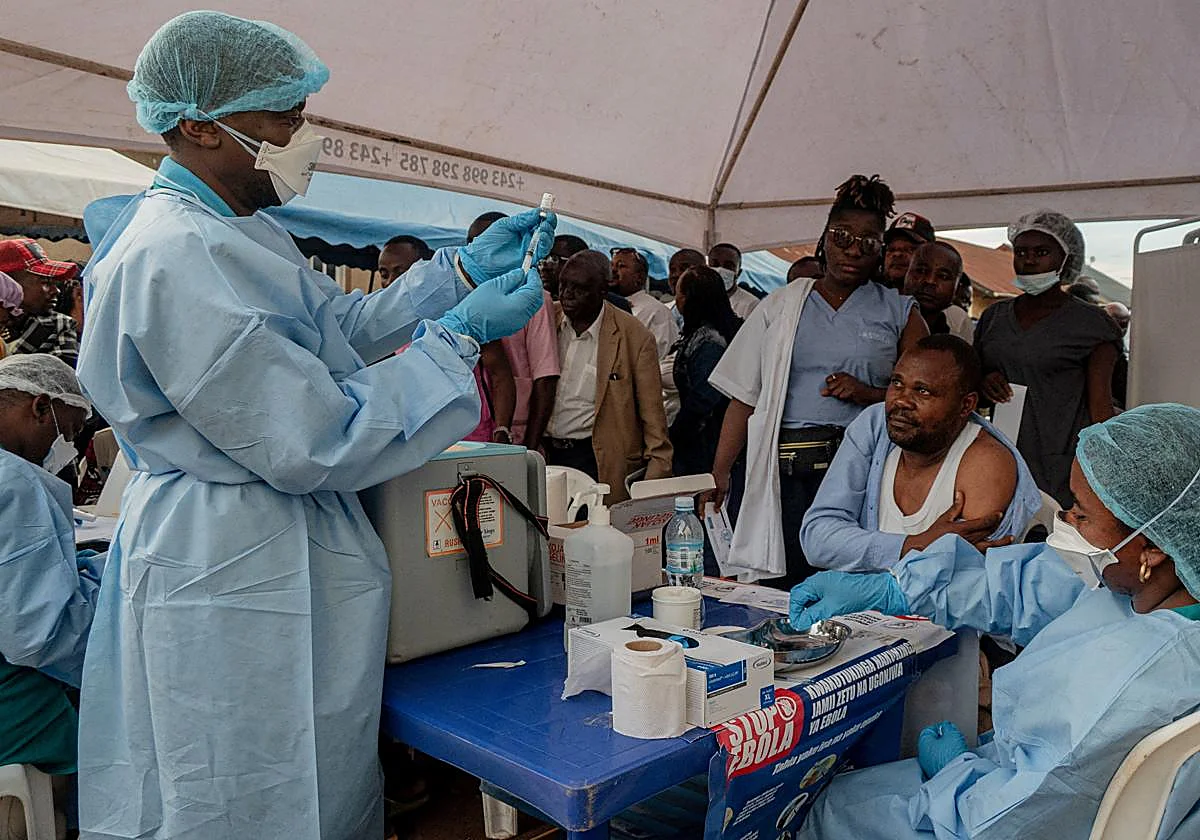
WHO announces start of Ebola vaccine clinical trial in DR Congo
02
Background and Context
Bundibugyo Ebola was first detected in the DRC in mid-May, with evidence it circulated earlier. Ongoing armed conflict, poor infrastructure and past health crises have hampered response. Mistrust of authorities has fueled rumors that Ebola is poison or supernatural, complicating community engagement.
Visual evidence
Images from the story


03
Data and Statistics
- Confirmed cases: 10,060; deaths: 4,887 (Oct 27).
- Affected health zones: 66 across eight provinces.
- ~80 % of new infections lack known contacts; officials aim for 95 % linkage.
- Recoveries: over 2,600.
- Children under five account for roughly three-quarters of pediatric infections with a ~75 % mortality rate.
- Maternal deaths have risen as pregnant women avoid hospitals.
04
Impact on Communities
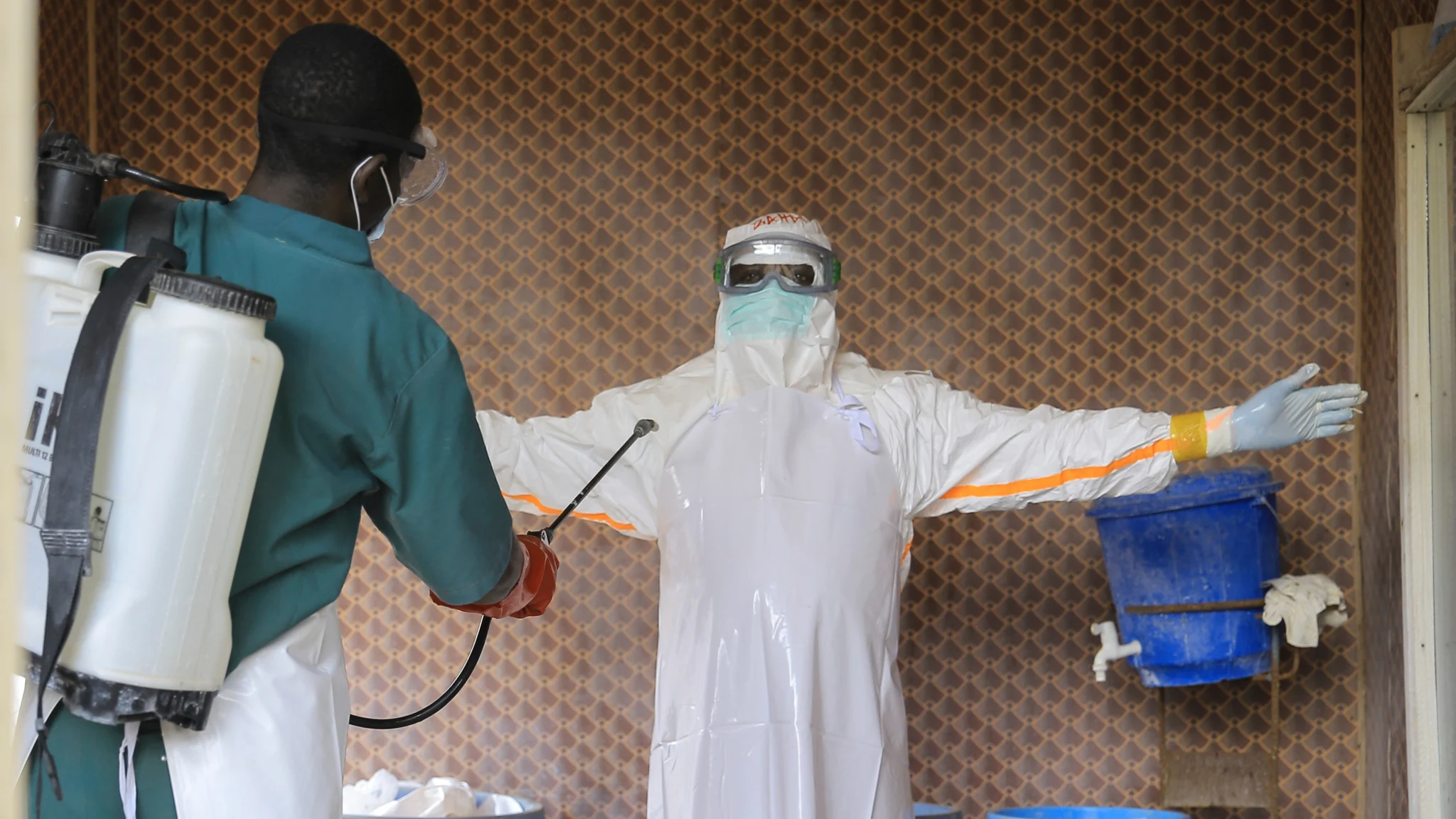
Misinformation has sparked violent incidents, including arson of health-center tents and attacks on responders. In Bafwasende, a nurse was killed and another injured during an Ebola alert. Health workers have staged strikes over unpaid wages and unsafe conditions. Routine services such as childhood vaccinations have been disrupted, cholera cases have increased, and many families have abandoned farming.
05
Official Statements & Responses
WHO Director-General Tedros Adhanom Ghebreyesus said health workers must operate “in dignity and safety.” WHO Africa regional director Mohamed Yakub Janabi condemned violence fueled by misinformation. Africa CDC Director-General Jean Kaseya called for coordinated cross-border action. UNICEF’s Douglas Noble reported treatment capacity has risen to nearly 2,000 beds. IRC’s Katie Thomas-Canfield highlighted door-to-door community engagement.
06
Criticism & Opposition
Experts note limited contact tracing and community mistrust leave most transmission chains undetected. Front-line workers have protested unpaid wages, and past corruption is cited as eroding confidence in health authorities. Researchers warn insufficient financing could impede control efforts.
07
On-the-Ground Reports
Village chief Alphonse Bin Kitobi (Achou Taibo) said he lost four family members despite transporting relatives to treatment centers. Burial team member Sephora Bgosi observed many residents still underestimate the disease’s danger.
08
Conflicting Reports & Gaps
Some outlets cite “more than 9,800 cases” and “over 4,700 deaths,” while government data on Oct 27 lists 10,060 cases and 4,887 deaths. The discrepancy reflects differing reporting cut-offs and the difficulty of obtaining real-time figures in a conflict-affected setting.
09
Verbatim Quotes
- “I quickly realized: We are now in danger of losing the whole family,” — Achou Taibo
- “Testing, care and contact tracing only work if we work with communities, going door to door, village by village to break the chain of transmission and stop this deadly escalation,” — Katie Thomas-Canfield, IRC
- “We're up toward almost 2,000 treatment beds for Ebola, so there's been a lot of progress,” — Douglas Noble, UNICEF
10
What’s Next
Health ministries are preparing tighter quarantine measures for travelers returning from the DRC. A virtual summit of African health ministers will discuss scaling up vaccine trials and cross-border surveillance. Researchers continue to model outbreak trajectories, indicating the epidemic could persist through year-end without a sharp reduction in transmission. International donors are urged to increase financing to match the crisis scale.