
Full Breakdown
Trump Administration Considers Renewed Iran Strikes Ahead of U.S. Midterms
By Drooid · · How we work
In this breakdown
01
Core Event: U.S. Signals Possible Short, Intense Campaign
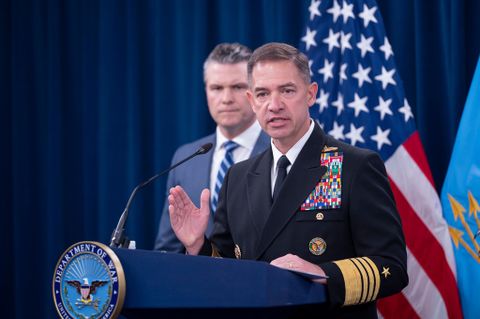
U.S. officials have warned several Gulf Arab states to prepare for a brief, intense military campaign against Iran after the upcoming U.S. midterm elections. The warning follows a White House briefing in which CENTCOM commander Adm. Brad Cooper presented updated strike options to President Donald Trump. At the same time, the Pentagon has moved additional naval and air assets into the region, while senior officials have told allies that any renewed attacks could trigger Iranian retaliation.
02
Background & Context
The conflict began in late February 2026 with the joint U.S.–Israel “Epic Fury” strike that targeted Iran’s missile and drone infrastructure. Since then, U.S. and Israeli forces have conducted multiple attacks on Iranian facilities, while Iran-backed Houthi rebels have struck Saudi oil sites. The war has caused extensive civilian damage and driven up global energy prices, creating political pressure on both the United States and its regional partners.
Visual evidence
Images from the story
03
Timeline
- Late February 2026 – Initial U.S.–Israel “Epic Fury” strike.
- Early September 2026 – Last U.S. strike against Iran reported.
- October 29, 2026 – CENTCOM chief Adm. Brad Cooper briefs President Trump on renewed strike options (source).
- Midterm elections – U.S. congressional elections scheduled for early November 2026 (general reference).
- Post-election period – U.S. warnings to Gulf allies to ready defenses against possible Iranian retaliation (source).
04
Data & Statistics
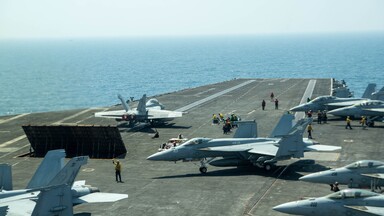
- The Pentagon deployed the aircraft carrier USS Theodore Roosevelt and amphibious ships carrying roughly 9,000 troops, raising the total U.S. presence to more than 20,000 sailors and Marines and supporting hundreds of aircraft—the highest level since 2003.
- The war’s cost to U.S. taxpayers is estimated at $47.1 billion, according to the Pentagon’s latest congressional estimate.
- An analysis by the National Iranian American Council cites damage to ?1,300 schools, 80 energy facilities, and numerous transportation sites from earlier U.S.–Israel strikes.
05
Official Statements & Responses
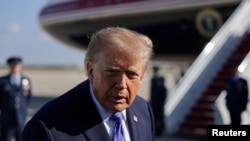
- President Trump has said he is weighing whether to “finish it off” or negotiate, adding that the U.S. is closely monitoring Iran’s underground facility at Pickaxe Mountain.
- Pentagon and CENTCOM spokespeople declined to comment on the briefings.
06
On-the-Ground Reports
- Iran’s permanent UN representative Amir Saeid Iravani asserted that Tehran’s nuclear program is “peaceful” and poses no threat to international security.
- Houthi rebels have continued attacks on Saudi oil infrastructure, prompting a Saudi-led coalition response in Yemen.
07
Conflicting Reports & Gaps
- Some sources indicate that President Trump has not made a final decision on new strikes, while others suggest he may authorize action after the midterm elections.
- The exact timing of any renewed operation remains unclear; reports differ on whether U.S. forces would be ready immediately after the elections or at a later date.
08
Verbatim Quotes
- “I will just say this: Their plan … will lead to devastating escalation and the likely destruction of our commitment to the rule of law,” — Sen. Chris Murphy
- “Somebody asked me before, when will the war in Iran end?” — Donald Trump, president
- “It will lead to devastating escalation and the likely destruction of our commitment to the rule of law,” — Sen. Chris Murphy