
Full Breakdown
Tragic Leopard Attack Claims Life of Veteran Zookeeper at Beekse Bergen Safari Park
By Drooid · · How we work
In this breakdown
01
The Fatal Incident
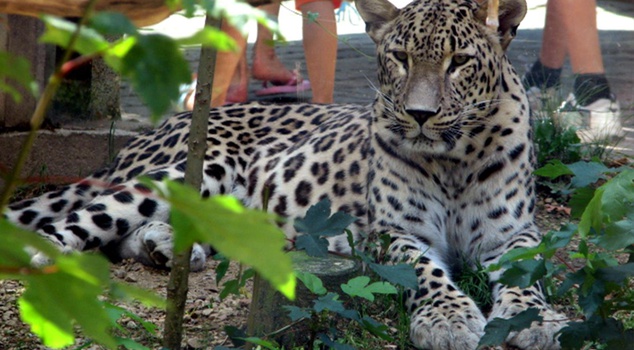
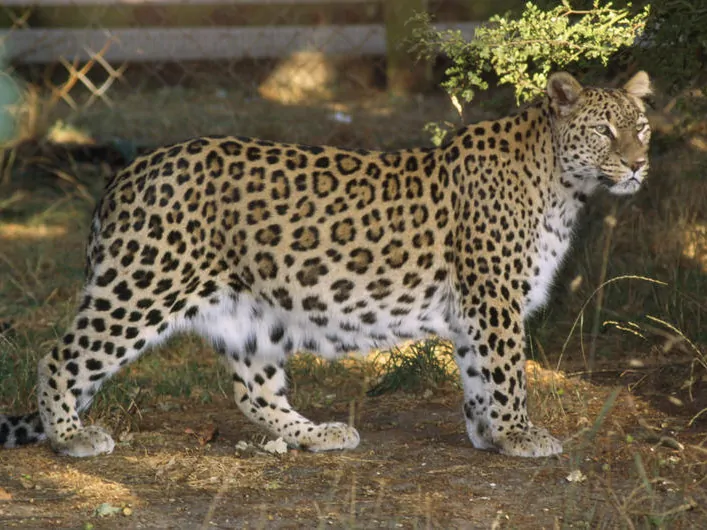
On Saturday, October 24, a keeper at Safaripark Beekse Bergen in Hilvarenbeek was mauled by two male Persian leopards during her morning rounds in an indoor enclosure. She suffered severe head and neck wounds, called for help on a walkie-talkie, and was air-lifted to a regional hospital where emergency surgery was performed. Her condition deteriorated on Sunday and she died on Tuesday, October 27. The park confirmed she had worked there for almost four decades, including eight years caring for the big cats.
Watch
Related reporting
cbsnews
Video: CBS News 24/7
02
Background & Context
Beekse Bergen is one of the Netherlands’ most visited wildlife parks, housing more than 100 species. Dutch law imposes strict licensing and safety requirements for facilities that keep large predators; private ownership of such animals is prohibited without a zoo permit. Fatal incidents involving big cats are exceptionally rare. Wineker Schoo, director of the Dutch Zoo Federation, noted only one other lethal big-cat incident in the country—a lion attack in 2001.
Visual evidence
Images from the story




03
Data & Statistics
- Approx. 200 large felids are kept in Dutch zoos.
- The keeper had worked at Beekse Bergen for nearly 40 years.
- She had been responsible for the two leopards for eight years.
- The attack occurred during a storm-driven move of the leopards indoors, a procedure that normally keeps staff separated from the animals.
04
Official Statements & Responses
Linda Engels, the park’s spokesperson, said the keeper was attacked while inside the enclosure, a breach of protocol, and that “something went wrong.” The zoo announced an independent investigation and noted that the leopards would not be euthanised. The Dutch Labor Authority and the national labour inspectorate have opened inquiries into possible safety-procedure violations. The park expressed deep grief and pledged support for the keeper’s family, friends, and colleagues.
05
Verbatim Quotes
- “It’s so terrible what happened here,” — Ms. Schoo, director of the Dutch Zoo Federation
06
Investigation & Safety Review
Preliminary findings reported by Dutch media suggest the keeper may have entered the enclosure after a door was left open, though the exact sequence remains unclear because the enclosure lacks CCTV coverage. The park’s investigation will examine forensic evidence, staff interviews, and the leopards’ behavior to determine how the protocol breach occurred. Authorities are also reviewing whether mandatory double-door systems and two-person entry were fully observed.
07
Conflicting Reports & Gaps
- Cause of entry: Some sources attribute the incident to a door left open; others say the precise reason the keeper was inside the enclosure is unknown.
- Number of leopards involved: Reports vary between a single leopard and both leopards participating.
- Camera footage: No cameras monitor the interior of the enclosure, limiting direct visual evidence.
08
Why It Matters
The death underscores the risks of working with apex predators, even under stringent regulations. It has prompted renewed scrutiny of safety protocols across Dutch zoos and may influence future guidelines aimed at preventing similar tragedies.
09
What’s Next
An independent commission will publish its findings after completing forensic analysis and staff interviews. The park plans to create a memorial space for visitors and employees to leave condolences. Dutch regulatory bodies have indicated that any identified procedural lapses could lead to revised safety guidelines for all zoological institutions in the country.