
Full Breakdown
Inflation Surge Tied to Middle-East Conflict Fuels September Price Gains and Fed Debate
By Drooid · · How we work
In this breakdown
01
Inflation Spike and Its Immediate Drivers
In September 2026, the personal consumption expenditures (PCE) price index rose 0.5 % month-over-month, putting the annual inflation rate at 3.6 %—the highest monthly gain since May, according to the Commerce Department. The surge was driven largely by energy costs: gasoline and other energy goods jumped 9.2 % from August, while diesel averaged $6.33 per gallon, up from $3.68 a year earlier (AAA). Oil prices have remained above $100 a barrel since early October, after renewed fighting in the Iran-U.S. conflict restricted shipments through the Strait of Hormuz. Core PCE, which excludes food and energy, also rose, posting a 0.3 % monthly increase and a 3.1 % annual rate.
02
Background & Context
The Iran war, which began in February 2026, has repeatedly disrupted oil flows from the Persian Gulf. Restrictions on shipping in the Strait of Hormuz have caused “oil price shocks,” according to The Hill’s energy newsletter. Robust consumer spending and a surge in artificial-intelligence-related business investment have kept overall economic growth strong, with GDP expanding at a 3.4 % annualized pace in the July-September quarter (Commerce Department).
Visual evidence
Images from the story
03
Data & Statistics
Swipe across the table to see all columns.
| Metric | September 2026 | Source |
|---|---|---|
| Overall PCE inflation (annual) | 3.6 % | Commerce Department |
| Monthly PCE change | +0.5 % | Commerce Department |
| Core PCE (annual) | 3.1 % | Commerce Department |
| Gasoline price (average) | $4.23 / gal (39 % YoY) | KCRG |
| Diesel price (average) | $6.33 / gal | AAA |
| Consumer spending (Q3 annualized) | 3.8 % | Commerce Department |
| GDP growth (annualized, Q3) | 3.4 % | Commerce Department |
| Personal savings rate (Sept.) | 3.8 % (lowest since Oct 2022) | Commerce Department |
| Unemployment claims (week ending) | 194,000 | Labor Department |
04
Official Statements & Responses
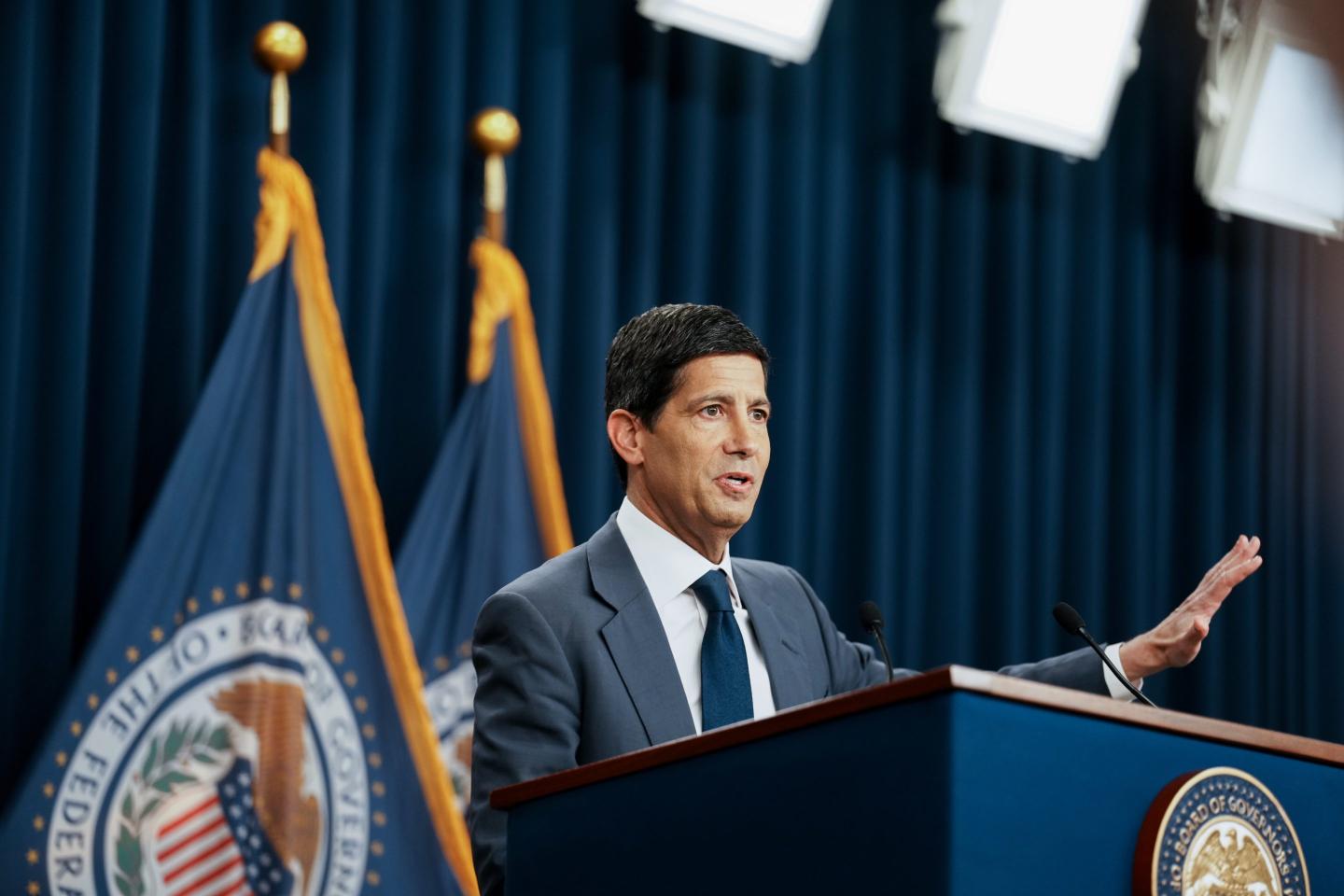
Fed Chairman Kevin Warsh said the economy remains strong but acknowledged that “inflation remains elevated.” He emphasized that the Fed will continue to evaluate incoming data before deciding on further rate action. Treasury official Scott Bessent urged the Fed to “look through” the oil-price shock when assessing underlying inflation trends.
05
Conflicting Reports & Gaps
Two inflation gauges present slightly different annual rates for September. The PCE index, favored by the Fed, reports 3.6 % inflation, while the Consumer Price Index (CPI) released by the Department of Labor shows a 3.7 % annual rate. The discrepancy highlights uncertainty about the exact pace of price growth across measurement methodologies.
06
Why It Matters
Persistently high energy prices raise the risk that inflation will spread beyond the energy sector, affecting durable goods and services such as air travel, hotel stays, and shipping costs. Wholesale price inflation reached 6.3 % YoY, the strongest level since 2022, suggesting that producers may soon pass higher input costs onto consumers. If the Fed raises rates at its December meeting, borrowing costs for mortgages, auto loans, and business credit could increase, potentially curbing the strong consumer spending that has underpinned recent growth.
07
What’s Next
The Fed is slated to reconvene in December 2026 to decide whether to raise its benchmark interest rate, which currently sits in the 3.75 %–4 % range. Market participants expect a quarter-point hike, though two Fed officials dissented in the most recent meeting, favoring an immediate increase. Policymakers will weigh the latest inflation data, the ongoing Middle-East supply shock, and the resilience of consumer spending when shaping monetary policy.