
Full Breakdown
Live-Streamed Murder of Anti-Drug Activist Parvinder Singh Jhota Sparks Statewide Protests in Punjab
By Drooid · · How we work
In this breakdown
01
Jhota’s Fatal Confrontation
On October 13, anti-drug volunteer Parvinder Singh Jhota entered chemist Ashwini Kumar’s shop in Mansa, Punjab, and accused the pharmacist of selling high-dose pregabalin. Kumar shot Jhota multiple times, pursued him down a street and fired again. Jhota’s team livestreamed the attack on Facebook, and the video quickly spread across the state. Police filed an anti-narcotics case against Kumar and an attempt-to-murder case against Jhota, who was later released after mass protests.
02
Background of Punjab’s Drug Crisis
Punjab’s drug problem predates independence, with opium historically accepted in rural communities. Today, cheap pharmaceutical stimulants dominate: pregabalin tablets cost as little as Rs 10, making them popular among labourers. A 2024 study found that nearly half of patients seeking treatment for substance-use disorders were dependent on pregabalin or used it without prescription. The state banned pregabalin doses over 75 mg, but illegal sales persist, especially in the Malwa region where volunteer “Nasha Roko” committees conduct raids.
Visual evidence
Images from the story
03
Official Statements & Responses
- The families of Jhota and Daljit Singh have refused cremation or post-mortem until Chief Minister Bhagwant Mann and the state police chief resign.
- SSP Vaibhav Chaudhary (Mansa) announced a murder case under Sections 302 and 307 of the IPC for the October 27 death of Daljit Singh, insisting that “misinformation” about an overdose was being spread.
- The Central Bureau of Investigation (CBI) has taken over the probe into Jhota’s killing.
04
Criticism & Opposition
- Bhagwant Singh Samaon, state president of Mazdoor Mukti Morcha Azad, said Jhota’s work reflected growing frustration with drugs and highlighted the Rs 10 pregabalin tablet’s impact on labourers.
- Bhupinder Pal Singh, a longtime associate of Jhota, said volunteers were tired of informing authorities about illegal pharmacists and added, “All of us have to die anyway.”
- Sunil Jakhar, Punjab BJP president, wrote to Governor Gulab Chand Kataria demanding implementation of the Model Code of Conduct after the government denied permission for the Abohar anti-drug marathon, citing an “unsuitable atmosphere.”
- Tarun Chugh claimed the police system had collapsed, allowing gangsters to operate with impunity.
05
On-the-Ground Reports
- Posters with an AI-generated image of Jhota’s last moments dominate the Barnala-Mansa highway protest, attended by farmer unions, labour groups and religious organisations.
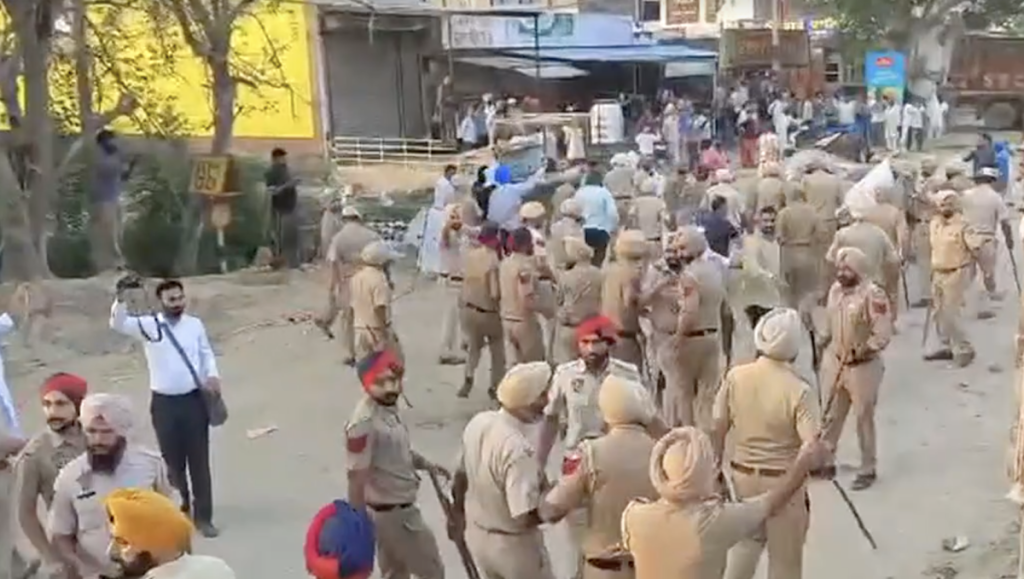
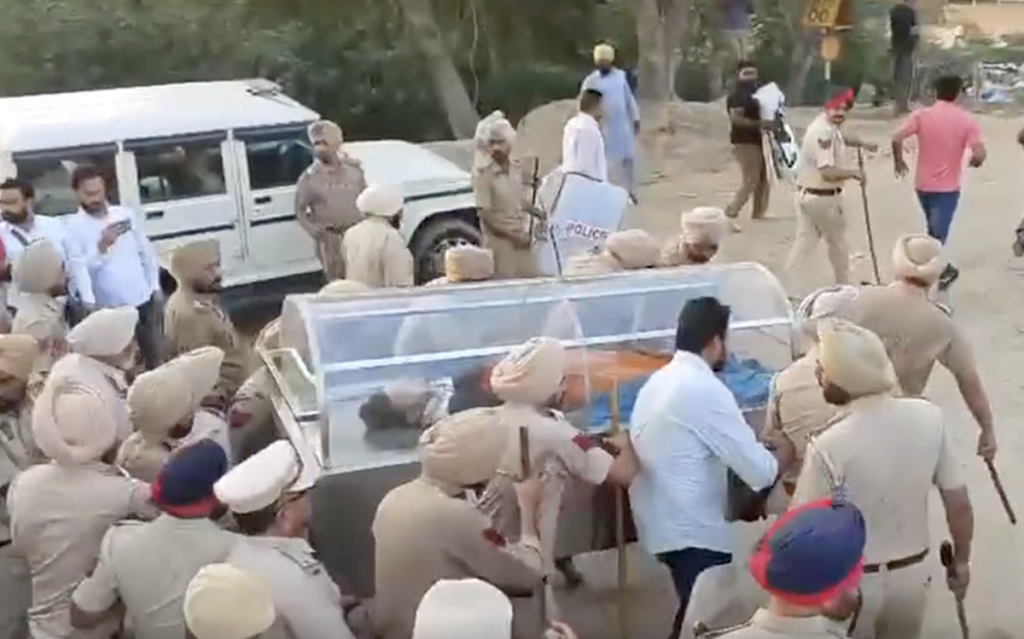
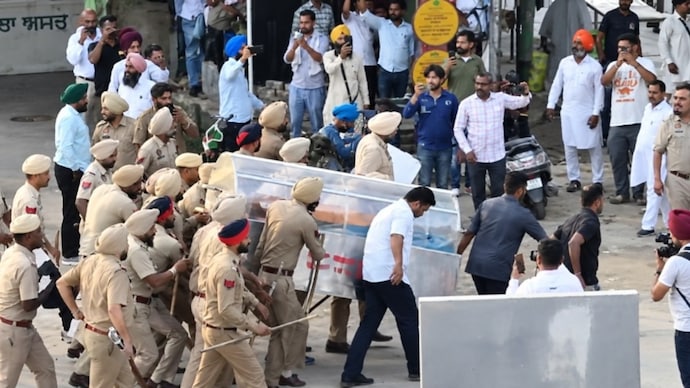
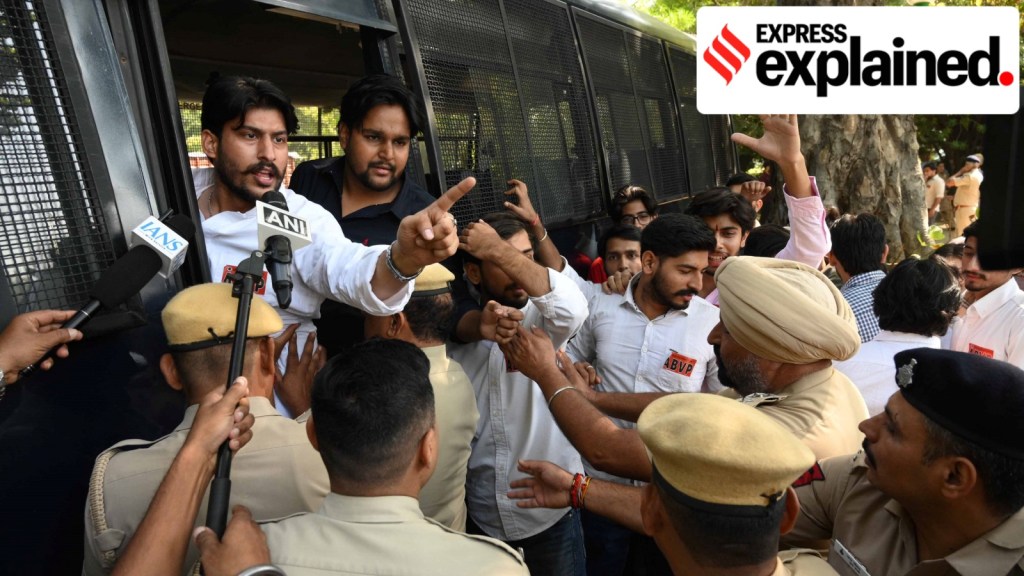
- On October 27, police forcibly removed Daljit Singh’s body from a dharna, dragging protesters and detaining several, including youth leaders and a women’s activist. Video shows turbans being ripped off and police vehicles loading the body for transport to AIIMS Bhatinda.
- Local witnesses describe “police state” tactics, with water-cannon and tear-gas used to suppress the protests.
06
Conflicting Reports & Gaps
- Daljit Singh’s family says he died of a heroin overdose, while police classify the death as murder and have detained three suspects.
- Jhota’s family insists on a post-mortem only after the resignation of the chief minister and police chief; authorities have not disclosed Jhota’s body location.
- The arrest and case figures cited by Finance Minister Cheema have not been independently verified, and the impact of the 2024 pregabalin ban remains unclear.
07
What’s Next
A large “Insaaf” rally is scheduled for November 4 in Sangrur, where Congress leader Rahul Gandhi will address a crowd expected to exceed one lakh. The rally is poised to amplify criticism of the AAP government’s handling of the drug crisis, law-and-order concerns, and the unresolved deaths of Jhota and Daljit Singh.