
Full Breakdown
Spain’s Deadliest High-Speed Train Crash of the Decade
By Drooid · · How we work
In this breakdown
01
Core Event
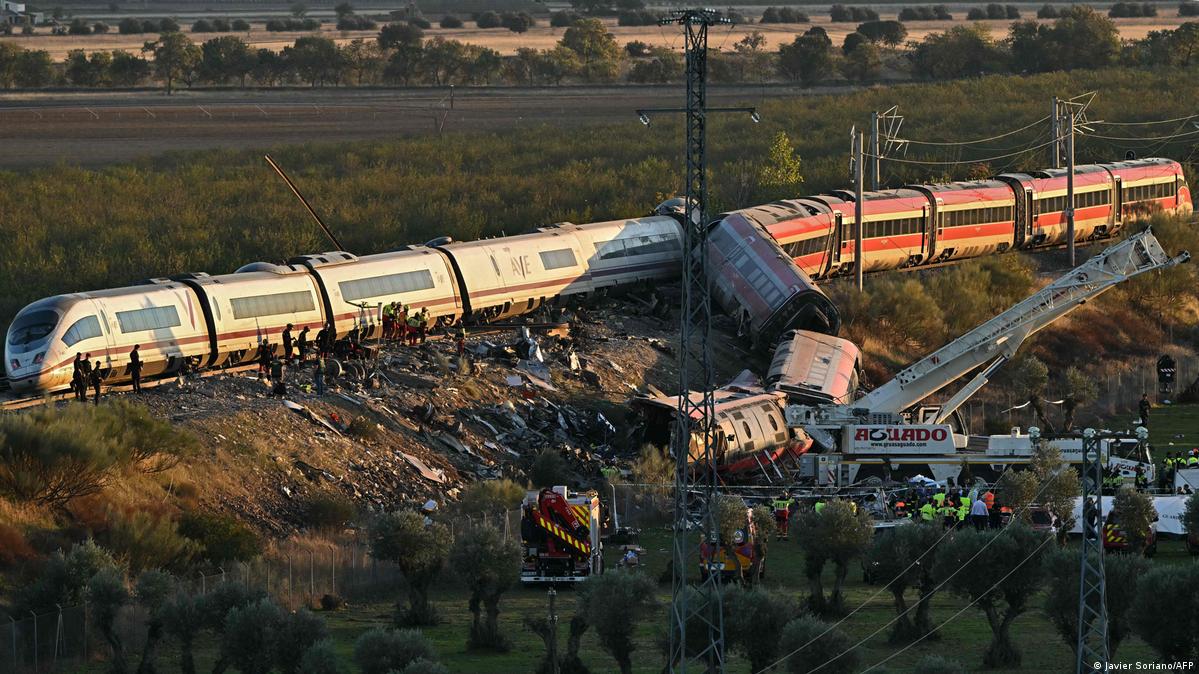
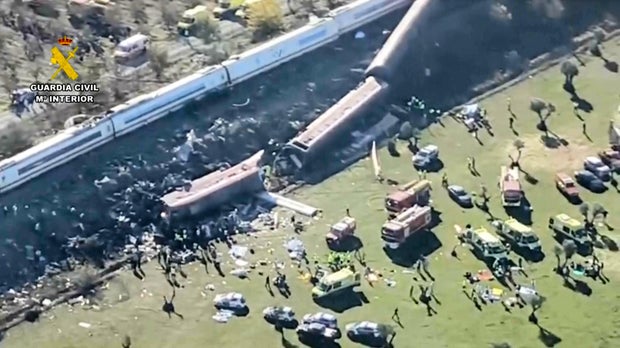
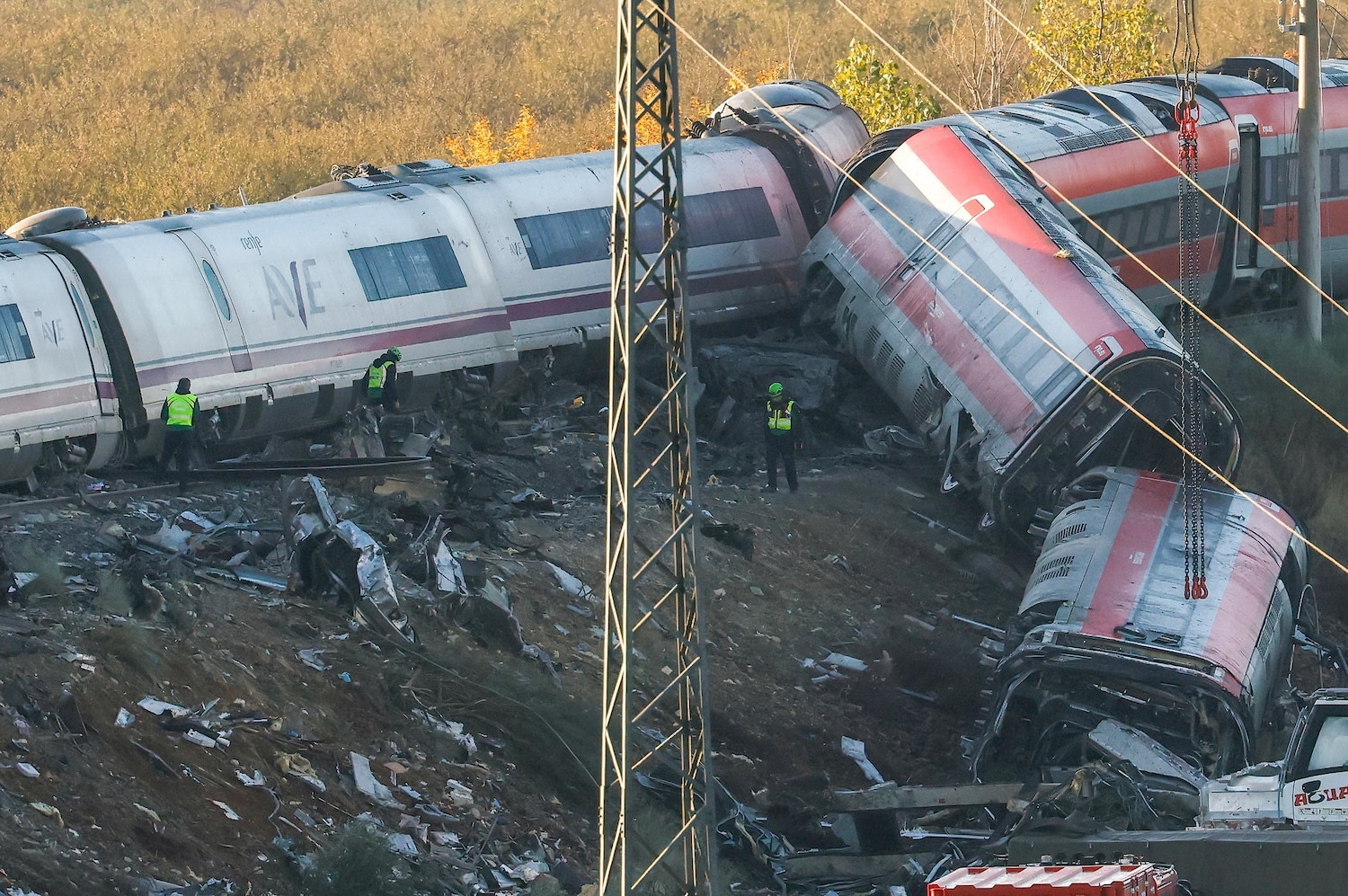
On October 28, 2026 a RENFE AVE high-speed train rear-ended a stationary Iryo train on the Madrid-Seville line near Urda and Los Yébenes, Toledo. A computer malfunction disabled the LZB signalling system at 8:30 a.m., stopping six trains on a 63-km stretch. The control centre in Madrid authorised the RENFE train to resume at 8:36 a.m. without speed limits; it collided with the Iryo train at 8:53 a.m.. Reported deaths varied—initially 68, then 69, a ministry update listed 74 before being revised back to 69. More than 100 were injured; 53 remained hospitalized on October 29, 2026.
Watch
Related reporting
cbsnews
Video: Passengers aboard deadly train collision in Spain speak out
brightcove
Rescue teams search wreckage for survivors after train crash in Spain
akamaized
Train crash kills at least 69 in Spain
02
Background & Context
Spain’s high-speed network, the world’s second-largest, opened in 1992 and was liberalised in 2021, allowing Iryo to operate alongside RENFE. The same line saw a fatal collision in January 2026 that killed 46 people, raising concerns about maintenance and the shift from LZB to the European ERTMS standard.
Visual evidence
Images from the story




03
Data & Statistics
- Passengers: 397 on the RENFE train, 147 on the Iryo train.
- Fatalities: 69 confirmed by the Railway Accident Investigation Commission.
- Injured: 110 initially reported; 53 still hospitalized on Oct 29.
- Technical scope: LZB failure affected a 63-km segment; the RENFE train may have been travelling up to 200 km/h when it struck the stationary train.
04
Official Statements & Responses
Transport Minister Óscar Puente called the incident the result of an “inexplicable” decision by the control centre after the computer failure and said engineers were not to blame. King Felipe VI expressed solidarity with victims’ families, and Health Minister Mónica García warned the impact would be a “tragedy.”
05
Criticism & Opposition
Rail unions urged focus on systemic shortcomings rather than a single controller. Vox leader Santiago Abascal accused the government of “abandonment, ruin and betrayal” of Spaniards.
06
On-the-Ground Reports
Survivors described being thrown from their seats. Yoander, 25, said, “I was sleeping, and when I woke up I was already crashing into the seats in front of me.” Josimar Medina, a 37-year-old Peruvian tourist, recalled “flying through the air” and helping others. Doctor Sebastián Herrero called the scene “apocalyptic,” noting bodies and severe injuries amid twisted metal.
07
Conflicting Reports & Gaps
- Fatality count: 68 -> 74 -> 69.
- Train speed: estimates range from 124 mph to 200 km/h.
- Cause: Puente cites an “inexplicable” human order; unions point to outdated signalling equipment.
- Investigation status: A judicial investigation zone is in place, but communication details remain unclear.
08
Verbatim Quotes
- “It is clear that we need to reinforce the safety of our train service to rebuild the trust in our high-speed rail,” — Pedro Sánchez, prime minister.
- “I am not attributing responsibility to anyone, I am just stating the facts,” — Óscar Puente, transport minister.
- “All of Spain is mourning. We express our solidarity and deepest sympathy to the relatives of the victims,” — Emiliano García-Page, president of Castilla-La Mancha.
09
What’s Next
The Railway Accident Investigation Commission will conduct a technical inquiry, while a judicial probe will examine possible criminal liability. Findings are expected to inform legislative reforms before the November 29 general election. Unions have scheduled a strike for October 30, 2026 to demand stronger safety investments, and the government pledged to address any identified failures “with the utmost firmness.”