
Full Breakdown
Israel’s 2026 Election Deadlock: Arab Parties Poised as Kingmakers
By Drooid · · How we work
In this breakdown
01
Core Event
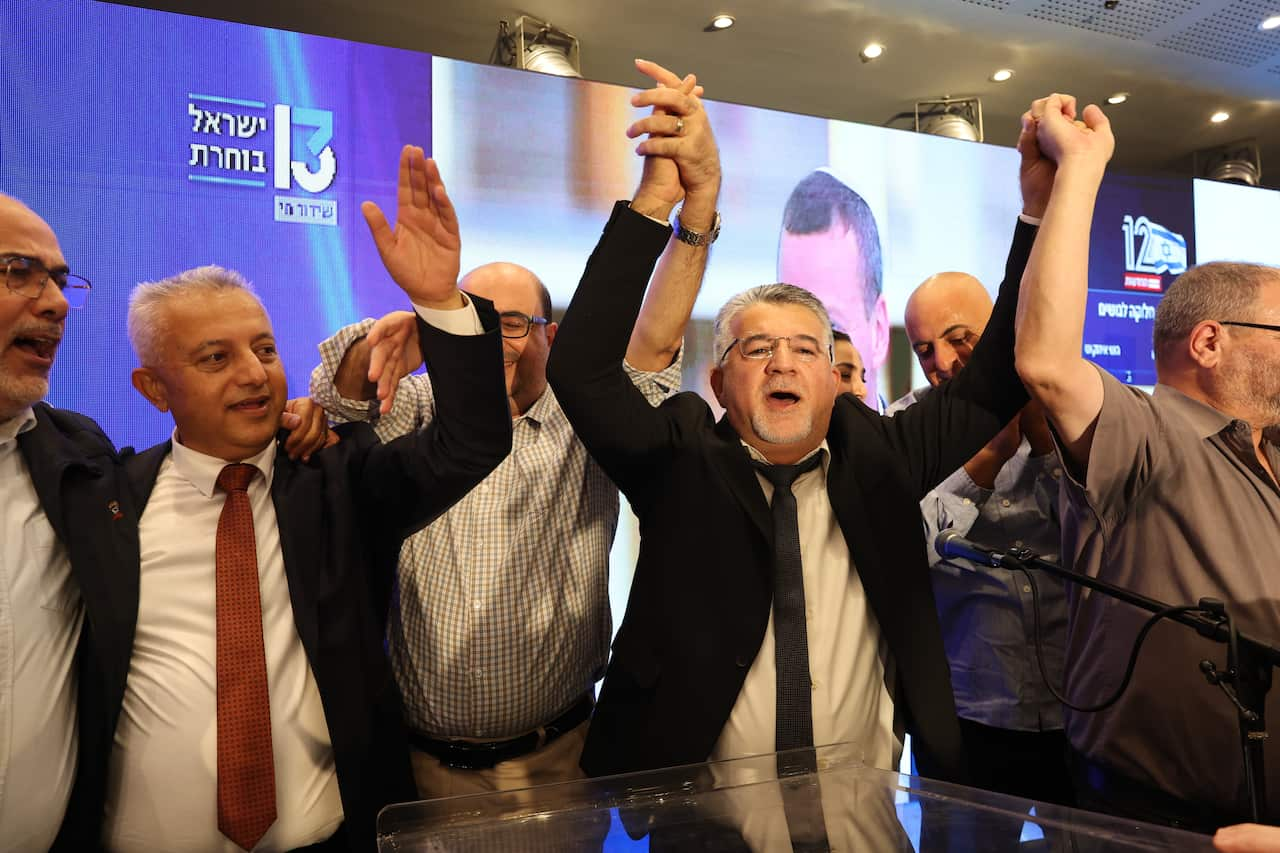
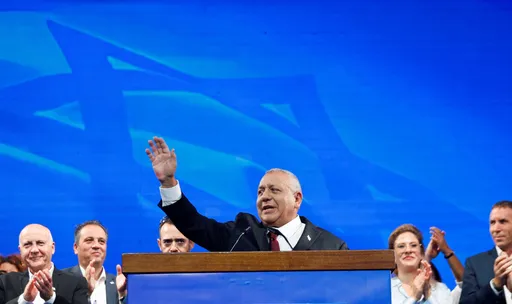
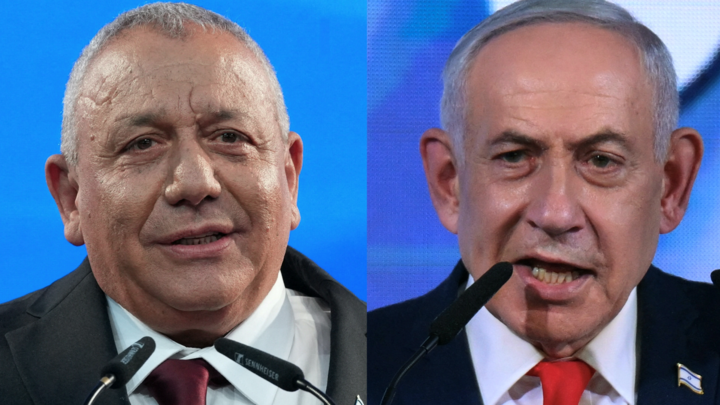
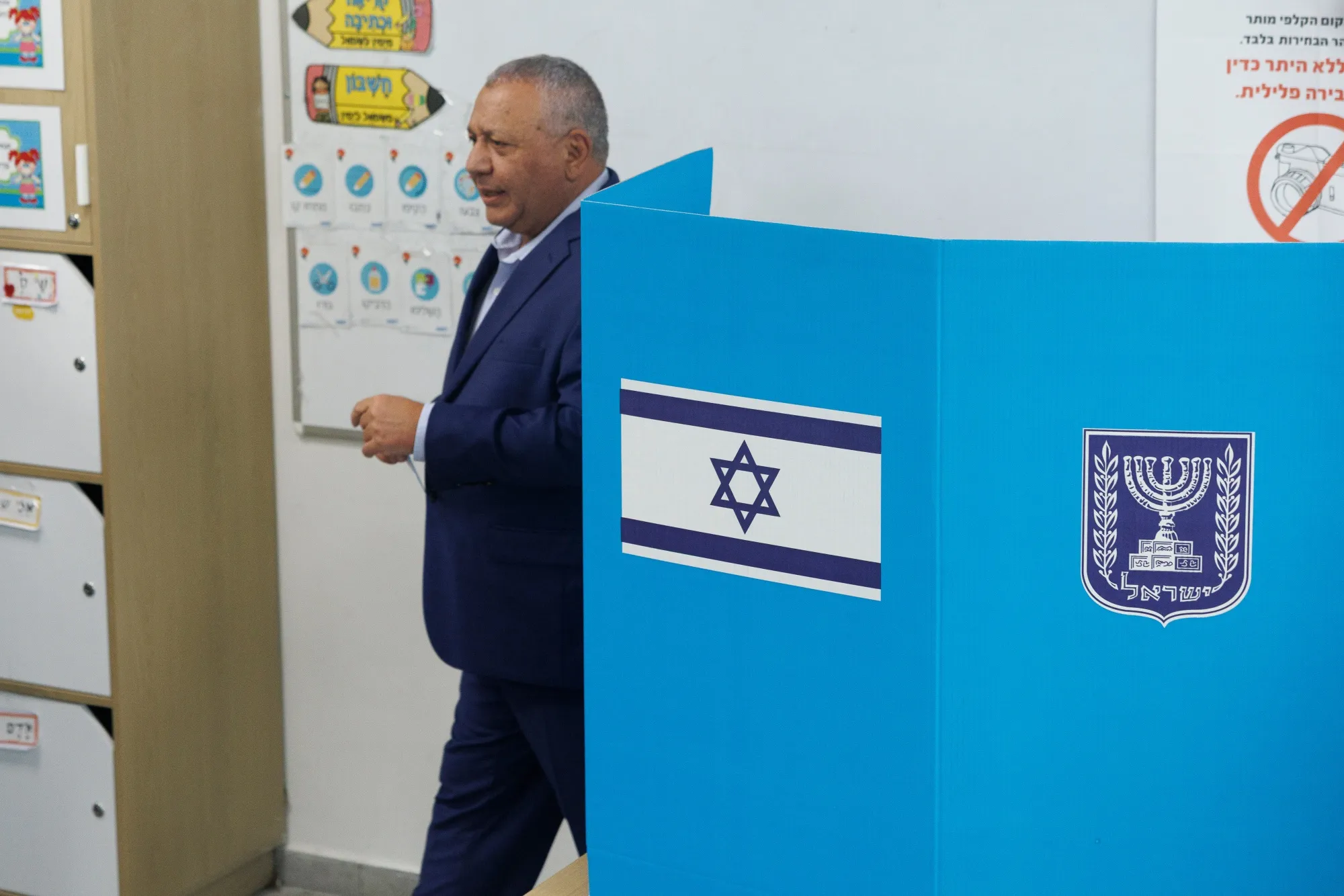
On October 28, 2026 Israel’s parliamentary election produced a hung Knesset. Prime Minister Benjamin Netanyahu’s right-wing bloc secured 53 of the 120 seats, while the opposition bloc led by former chief of staff Gadi Eisenkot won 48. Arab-led parties—the Joint List and the United Arab List (Ra’am)—combined for 19 seats, giving them decisive leverage in coalition talks.
Watch
Related reporting
brightcove
Balad leader blasts ‘racist’ exclusion of Arab parties in Israel
brightcove
Why Arab parties may not be the ‘kingmakers’ in this Israeli election
02
Background & Context
Arab citizens, about one-fifth of Israel’s population, have historically recorded low turnout. The 2022 election saw the Arab bloc win only 10 seats. Since the October 7 2023 Hamas attack, security concerns, demolition of homes in unrecognised Bedouin villages, and limited services have spurred higher political mobilisation among Arab and Bedouin communities. Activists such as Umm Khaled Fatoum, whose son’s home was demolished, turned personal grievance into a campaign against extremist minister Itamar Ben-Gvir.
Visual evidence
Images from the story


03
Data & Statistics
- Voter turnout: 77.7 %, the highest in over three decades.
- Bedouin village turnout: 62 %–93 %.
- Women’s participation in unrecognised villages rose from about 20 % in 2022 to over 60 % (informal data).
- Projected seat distribution: Netanyahu bloc 53, Eisenkot bloc 48, Arab parties 19.
04
Why It Matters / Impact
The Arab parties’ 19 seats can tip the balance: combined with Eisenkot’s bloc they would command a 67-seat majority, influencing legislation on security, settlement policy, and the investigation of the October 7 attacks. Their leverage forces the major Jewish blocs to confront longstanding accusations of systemic racism and to decide whether to break pledges against partnering with Arab parties.
05
Official Statements & Responses
Netanyahu declared that Israel needs a “strong, right-wing national government” and warned that a coalition relying on Arab parties would be “forbidden – simply forbidden.” The Likud party submitted alleged evidence of voting irregularities to the police and Shin Bet, while the Arab parties denied wrongdoing and called for an inclusive government.
06
On-the-Ground Reports
Bedouin women travelled to polling stations on camels, horses, donkeys and bicycles, often covering hour-long journeys. Jewish volunteers provided rides despite a 2019 ruling that organised transport was illegal, and “about 150 men” acted as protective presence at polling stations. Many women covered their faces to avoid exploitation by extremist social-media feeds.
07
Conflicting Reports & Gaps
Projections of Arab-party seats vary: some outlets forecast 17 seats, others 18–19, while a few cite 12 seats for the Joint List alone. Seat counts for the Netanyahu bloc also differ, with estimates ranging from 53 to 55 seats. Final official tallies are still pending, leaving the exact arithmetic of coalition possibilities uncertain.
08
Verbatim Quotes
- “I had one goal, to send [Itamar] Ben-Gvir home,” — Umm Khaled Fatoum
- “Stop the home demolitions, stop the hatred, stop the war.” — Mayada Abu Khweida
- “Anyone who wants to offer a substantive and genuine alternative to Netanyahu’s government of bloodshed will have to talk to us in order to pave the way for the change that the Israeli public longs for,” — Yousef Jabareen, chairman
09
What’s Next
President Herzog will consult party leaders and designate a candidate—likely Eisenkot or Netanyahu—to attempt forming a government within the statutory 28-day period, with a possible 14-day extension. Simultaneously, the Likud party’s request for an investigation into alleged election fraud will be reviewed by the police and Shin Bet. The outcome will determine whether Israel moves toward a coalition that includes Arab parties, a minority government supported from outside, or a new election.