
Full Breakdown
Albanian Parliament Disrupted as Opposition Reacts to Student-Led Protests
By Drooid · · How we work
In this breakdown
01
Parliamentary Disruption Amid Student Protests
On October 29, opposition lawmakers in Albania’s parliament let off colored flares, filling the chamber with smoke and blocking access to the podium while a vote on a central-bank bill was under way. The flare-throwing was carried out by members of the Democratic Party of Albania, the main opposition force. Opposition leader Sali Berisha declared that ruling lawmakers were “criminals” and called for harsh penalties against them before his microphone was cut off.
02
Lead-up: Student Demonstrations and Political Tension
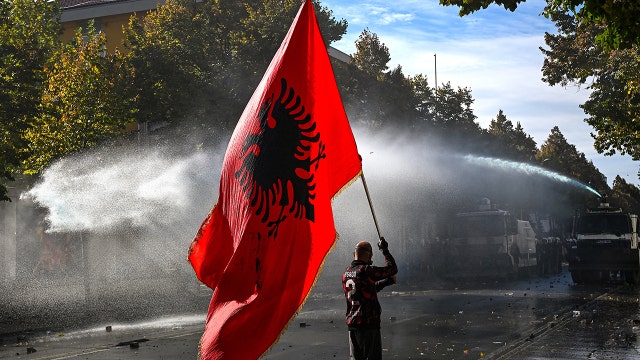
Student-organized protests began in mid-October, demanding Prime Minister Edi Rama’s resignation over accusations of corruption, high unemployment, and inadequate education funding. Demonstrators have set fire to government buildings, smashed windows and thrown paving stones at police. The unrest follows months of largely peaceful summer protests against a coastal development project backed by a U.S. political figure’s relative.
Visual evidence
Images from the story


03
Key Figures and Statements
- Sali Berisha – Leader of the Democratic Party; accused ruling lawmakers of criminal behavior and urged severe force against them.
- Edi Rama – Prime Minister since 2013, re-elected for a fourth term in 2025; blamed “foreign hands” for the protests and characterized the demonstrators as being manipulated by organized crime.
- Government spokesperson – Reported that the new fines amount to 500,000 lek (? $6,200) for anyone participating in a protest that turns violent, regardless of personal involvement.
04
Government Response and New Measures
In reaction to the escalating street clashes, Rama introduced the fine system and announced additional economic relief, including cheaper fuel and increased assistance for low-income families. He has repeatedly called on students to engage in dialogue, positioning the measures as an effort to curb violence while addressing some socioeconomic grievances.
05
Impact and Outlook
The parliamentary disruption underscores the deepening polarization between the ruling Socialist Party and the Democratic opposition. While the government seeks to deter violent protests through punitive fines and economic incentives, opposition leaders continue to frame the unrest as evidence of authoritarian excess. A further demonstration is scheduled for the coming Saturday, indicating that the confrontation is likely to persist in the short term.